Categories
Breaking News

Genetic Code Has Its Limits

Science Advances, an organism’s ability to adapt lies squarely on the shoulders of protein synthesis, so it’s critical to biological systems that the information is transferred correctly. Increasing genetic code by building proteins with customized amino acids is one of the goals scientists working with synthetic biology are pursuing. Doing this would allow scientists to assign specific functions to a specific amino acid. Researchers use organisms like bacteria and work in highly controlled systems to produce proteins with specific characteristics that will also allow them to be identified as synthetic, a key function of effective biotechnological systems. Synthetic biology combines various disciplines from within engineering and biology, such as biotechnology, molecular biology, evolutionary biology, biophysics, systems biology, genetic engineering and computer engineering, and describing the field depends a lot on your approach; as an engineer or as a biologist. It was originally considered a field of biology however, chemical and electrical engineering have started to play a larger role in recent years. In addition to the numerous technical and scientific challenges synthetic biology faces, there are the ethical and biosecurity questions. Because of previous issues raised with genetically modified organisms (GMOs) however, there are already extensive regulations in place in the U.S. and Europe. Image courtesy of Wikimedia Commons user: Artur Warchavchik]]>

Categories
Breaking News

Scientists Scramble to Save Ancient Japanese Tombs

Categories
News

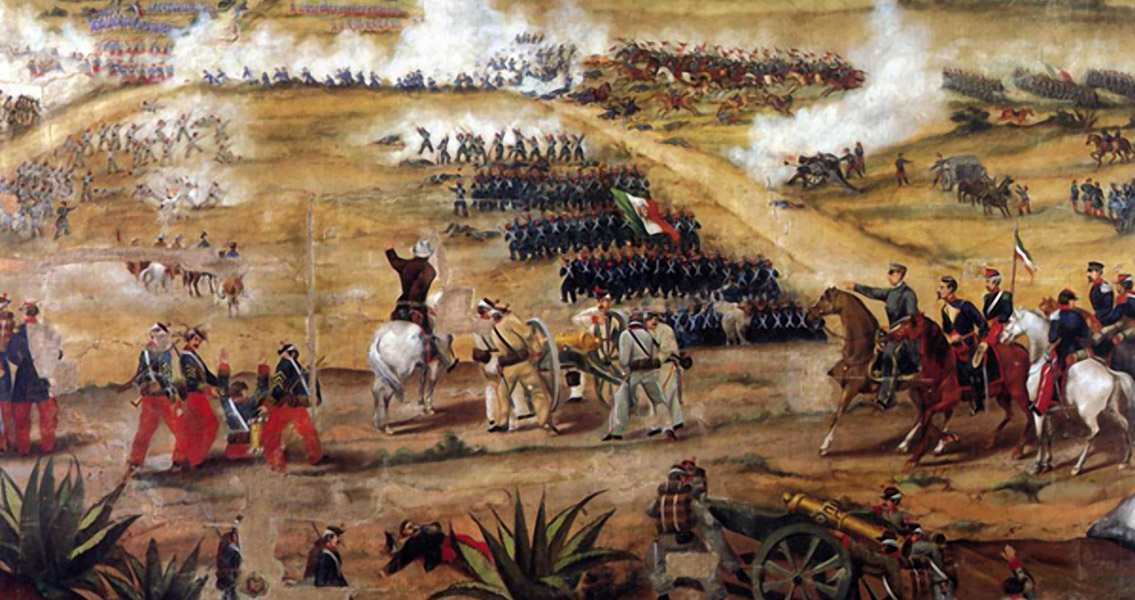
Cinco de Mayo – The Anniversary of the Battle of Puebla

Categories
Breaking News

Re-Translated Viking Runestone Reveals New Insights

Futhark, the International Journal of Runic Studies, can also be found online here Image courtesy of University of Gothenburg]]>

Categories
Breaking News

HMS Endeavor Has a Role in Another Voyage of Discovery

HMS Endeavour, a ship once sailed by British explorer James Cook. The ship was scuttled as part of a blockade during the Revolutionary War in 1778, prior to the Battle of Rhode Island. The HMS Endeavour (also known as HM Bark Endeavour) was a research vessel with the British Royal Navy and was commanded by Captain James Cook on his first voyage of discovery to New Zealand and Australia between the years 1769 and 1771. First launched in 1764, the ship was purchased by the British Navy in 1768 for a scientific mission and to search the high seas for Terra Australis Incognita (unknown southern land), a theoretical landmass which appeared on maps between the fifteenth and eighteenth centuries. The ship was largely forgotten after returning to England in 1771, was sold to a private owner in 1775, and then finally scuttled in 1778. Never precisely located, the wreck of the Endeavor was long-thought to be one of five wrecks found in a cluster in Newport Harbor, and that’s exactly where the RIMAP team claim to have pinpointed her. James Cook was a British explorer and cartographer who created detailed maps of Newfoundland before making three separate voyages to the Pacific Ocean, during which he became the first recorded European to make contact with Australia’s eastern coastline and the Hawaiian Islands. He had joined the British merchant navy as a teenager and then joined the Royal Navy in 1755. Cook sailed thousands of miles during his three Pacific voyages, and most of those were in uncharted areas of the globe. He was responsible for mapping lands from Hawaii to New Zealand in greater scale and detail than had previously been accomplished. As his voyages of discovery progressed he surveyed landmasses, named features, and recorded islands and coastlines – many of which had never been observed by Europeans before. During his third voyage to the Pacific in 1779, Cook was killed during a fight in Hawaii. He left behind an enviable legacy of geographical and scientific knowledge that influenced his successors far into the twentieth century. Not surprisingly, you can find memorials dedicated to him and to the Endeavor around the world. For example, the U.S. Endeavor space shuttle was named after the ship, and she’s also depicted on a New Zealand coin. An Australian University is named for Cook, and of course there’s the Cook Islands. There’s even a Cook’s Crater on the Moon. Relics from the Endeavor, including an anchor and six cannons, are on display at maritime museums worldwide. The next phase of RIMAP’s archaeological investigation will include a more detailed study of each of the five vessels in the cluster and their related artifacts, to verify which one is in fact the Endeavor. In the meantime, plans are being made for the construction of a facility suitable for the management, conservation and display of any material removed from the site. ]]>

Categories
Breaking News

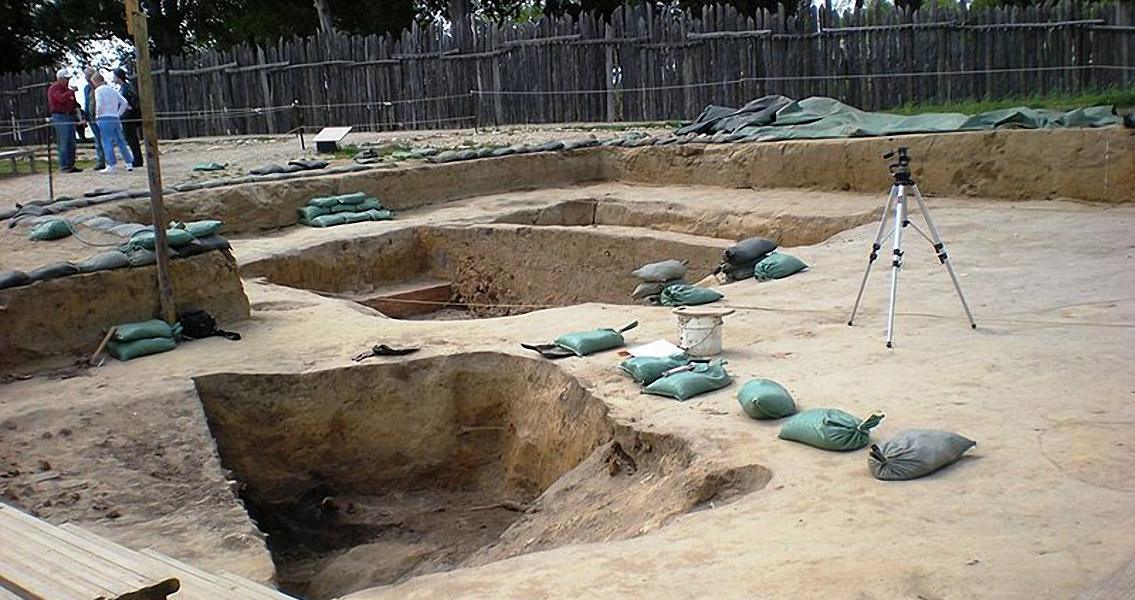
Intriguing Iron Artifact from a Jamestown Cellar

Categories
Breaking News

Ice Age Migration and Displacement Shown in Study

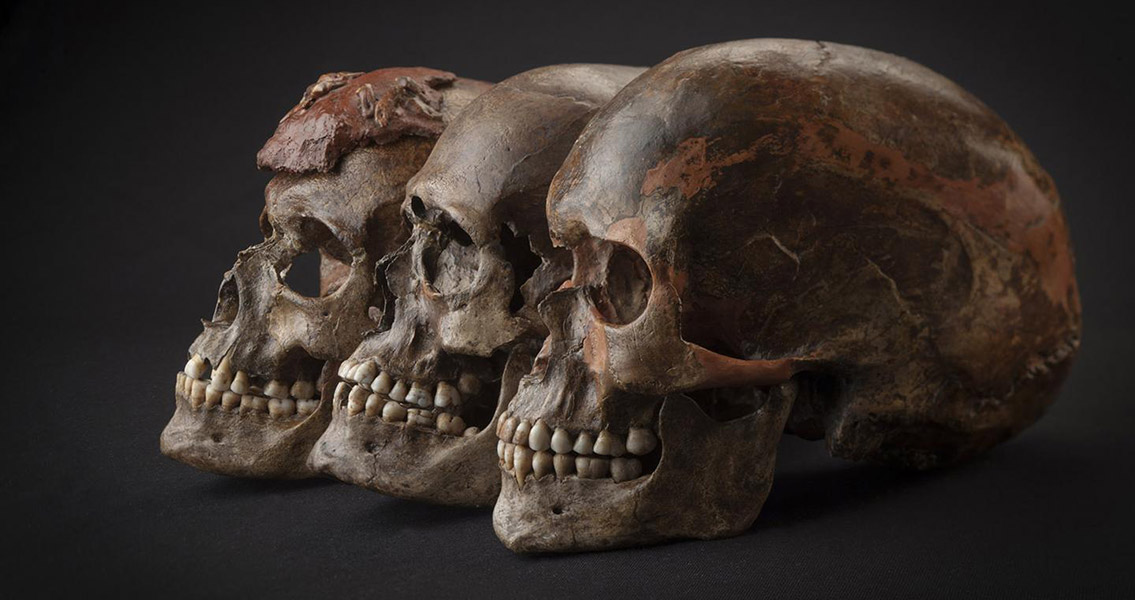
Nature on 2nd May, the study analysed the DNA of prehistoric humans to chart population changes over a period that stretched from the initial inhabitation of Europe by modern humans, to the end of the last Ice Age. The research was led by David Reich, Howard Hughes Medical Institute Investigator at Harvard Medical School. Two massive changes in prehistoric populations are revealed by the genetic data used in the research, which seem to be related to the end of the Ice Age around 19,000 years ago. The first has been documented previously, although in less detail. As the ice sheet retreated, northern Europe was repopulated by prehistoric humans from regions of southwest Europe, such as Spain. A second, more surprising event came some 5,000 years after that initial re-population. Populations from the southeast of Europe, such as what is now Turkey and Greece, migrated into Europe and displaced the first group of humans who had relocated there. The findings have the potential to cause a drastic rethink on how we understand the history of European migration and population. Previously, genetic data were only available for four samples of prehistoric European modern humans between 45,000 and 7,000 years old, but Reich and colleagues’ study has changed that; allowing much better insights to be gleaned on human populations in this distant period. “Trying to represent this vast period of European history with just four samples is like trying to summarize a movie with four still images. With 51 samples, everything changes; we can follow the narrative arc; we get a vivid sense of the dynamic changes over time,” said Reich, in a press release from the Howard Hughes Medical Institute. “And what we see is a population history that is no less complicated than that in the last 7,000 years, with multiple episodes of population replacement and immigration on a vast and dramatic scale, at a time when the climate was changing dramatically.” According to the team’s findings, all Europeans come from a single 37,000 year old population that survived through the last Ice Age. One of the branches of this population, which was represented by a specimen from Belgium, was displaced from most parts of Europe around 33,000 years ago, during the height of the last Ice Age. Some 19,000 years ago, a population related to it expanded across Europe, which the researchers believe could have originated in Spain. The second event took place 14,000 years ago, and would define Europe’s population until the advent of agriculture. “We see a new population turnover in Europe, and this time it seems to be from the east, not the west,” said Reich. “We see very different genetics spreading across Europe that displaces the people from the southwest who were there before. These people persisted for many thousands of years until the arrival of farming.” Fascinatingly, the study also showed the percentage of Neanderthal DNA in humans is decreasing, it consisting of between 3% and 6% of the prehistoric humans’ genetic makeup, but only 2% in most humans today. The results suggest that natural selection could be removing the toxic Neanderthal DNA. Reich and colleagues’ study shows that migration has long been an integral, complicated part of human history, shaping the world’s populations for thousands of years. Image courtesy of Martin Frouz and Ji?í Svoboda]]>
Categories
Breaking News

Bronze Age Ruins Discovered in Qormi, Malta

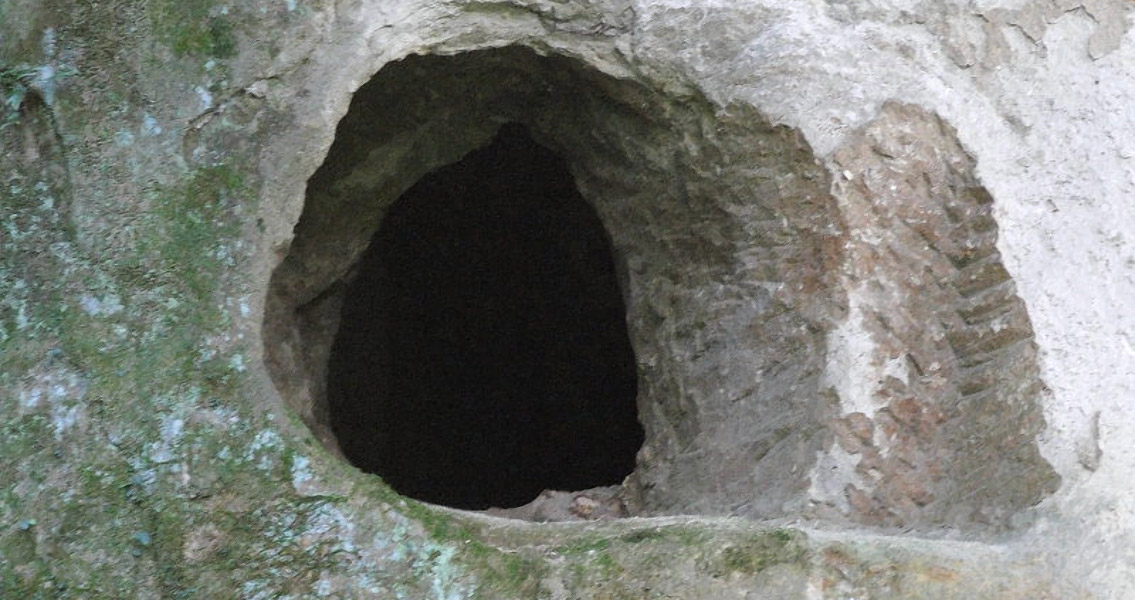
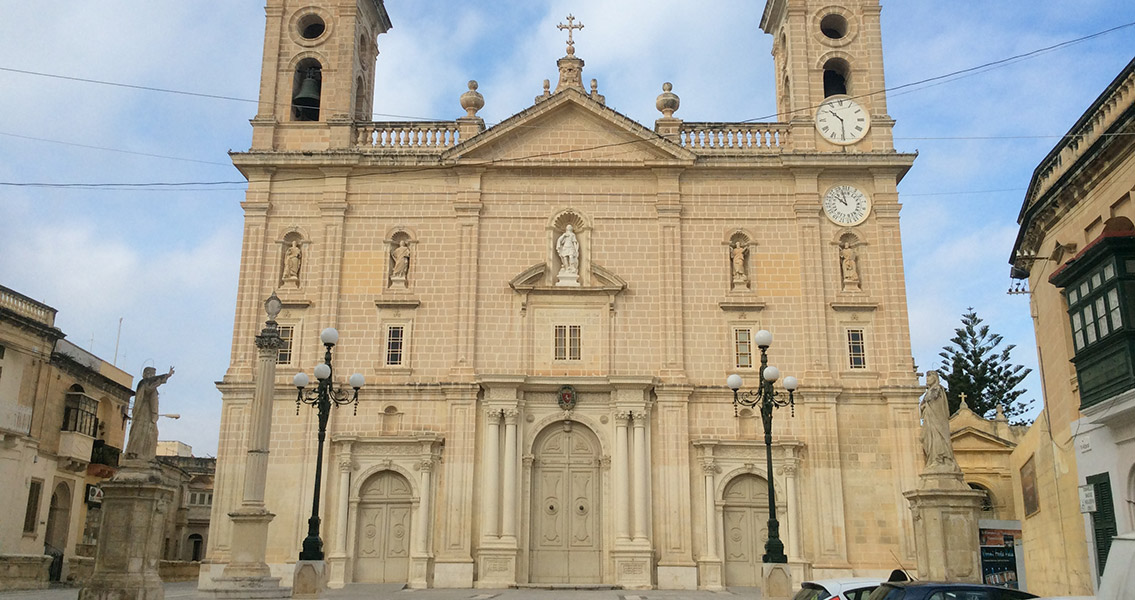
Times of Malta news website, a MEPA spokesman remarked that there were several conditions when it came to the approval for the planning application, one of which was the requirement to consult Malta’s Superintendence of Cultural Heritage both during the planning application submission process and prior to its submission as well. As a result, the Maltese cultural heritage watchdog decided to undertake a thorough archaeological survey across the entirety of the proposed development’s footprint. The evaluation of the site on an archaeological level, as well as the analysis of what has been found already, are still ongoing and will continue to halt construction until the governmental office is satisfied there is no risk of loss or destruction of cultural artifacts. According to an interview with Superintendent Anthony Pace, reported in the Times of Malta, the region was subject to heavy transformation during the Crusades, particularly when it came to the primacy of the Order of St. John – better known as the Knights Hospitaller, a Catholic military organization that was originally conceived as an order that would tend to the wounded and weary. Soon, the chivalric order began to provide armed escort for pilgrims traveling to and from Jerusalem as well. Founded in circa 1099 and still existing in certain forms to this day, the Order of St. John found a home in Malta in the early sixteenth century when King Charles I of Spain – acting in his capacity as King of Sicily – granted them the island in 1530. Pace remarked that at the time of this transformation, this region of Qormi was turned into field terraces through extensive quarrying, cutting through and even damaging a number of archaeological remains from even older periods. The remains discovered in the survey so far include examples of cart ruts left behind from the Bronze Age. Masonry remains, in particular the remains of a Roman-era rock-cut tomb, were also discovered during the archaeological survey. In addition, a stone cistern and well were among the archaeological finds. Once the Superintendence of Cultural Heritage completes its assessment, it will issue recommendations as how to preserve the newly-discovered remains for future study. Image courtesy of Wikimedia Commons user: Continentaleurope ]]>

Categories
News

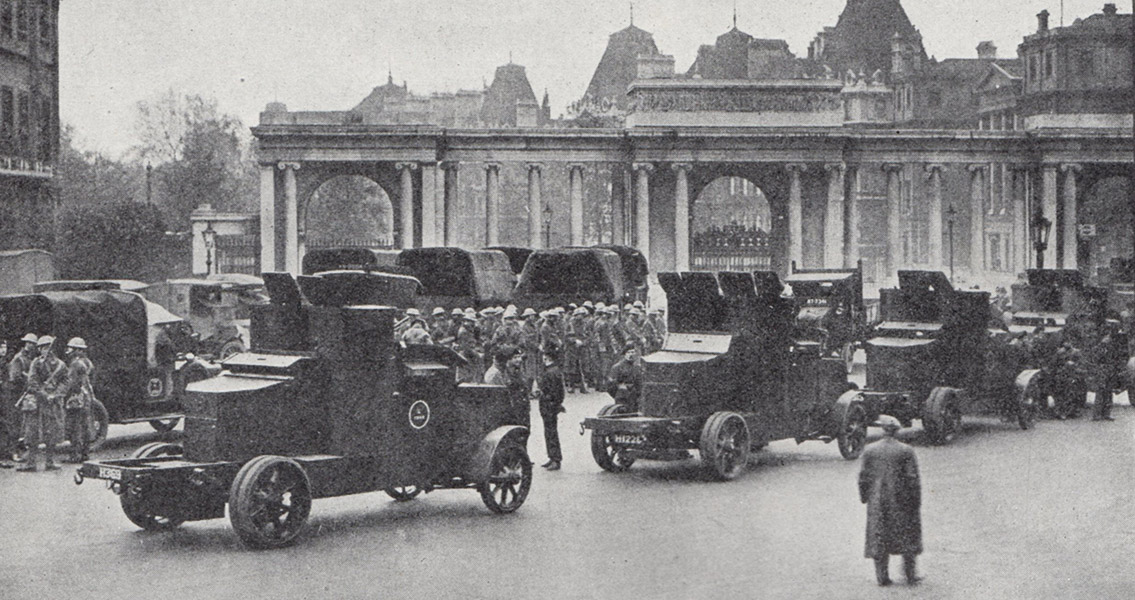
Ninetieth Anniversary of the General Strike in the UK

Categories
Breaking News

Infant Titanosaur Fossil Reveals Early Dinosaur Life

Science, can be found here Image courtesy of Kristi Curry Rogers]]>