Categories
Breaking News

Southern Arabia Inhabited Much Earlier Than Thought

Scientific Reports, the new study argues that in fact humans made their way to Arabia soon after the last Ice Age had receded. The researchers at the University of Huddersfield, who specialise in the analysis of human DNA, have based their conclusion on the study of a rare mitochondrial DNA lineage known as R0a. The haplogroup appears most frequently in Arabia and the Horn of Africa, but can also be found elsewhere. Genetic material from the parts of a cell responsible for converting food into usable energy, mitochondrial DNA is passed on maternally. It can provide vital insights into human migration thousands of years ago. Dr Francesca Gandini, the lead author, and her co-researchers from the University of Huddersfield have come to the conclusion that the R0a lineage is actually significantly more ancient than previously thought, with a deep presence in Arabia. Indeed, they believe it can be traced all the way back to the Pleistocene. These surprising results, according to Gandini and colleagues’ article, could be explained by the existence of an oasis or refuge in the region which allowed people to shelter from the inhospitable conditions of the Ice Age. 20,000 years ago much of the Earth was completely uninhabitable to humans as a result of plummeting temperatures in a period known as the Last Glacial Maximum. The only way they survived were in refugia where groups could cluster together and pool resources. The University of Huddersfield research argues that one such refuge could have existed somewhere in Southern Arabia, possibly close to what are now the Red Sea Plains. Earlier studies suggest the R0a haplogroup migrated to Southern Arabia from the Near East following the Ice Age, but Gandini et al’s work adds to a growing body of evidence that this was not the case. “…multiple lines of evidence suggest that the major R0a subclades had entered Arabia and begun diversifying before the Last Glacial Maximum.” they write in the study. “This is in accord with evidence from rock art in Northern Arabia that the Neolithic pastoral economy was adopted by hunter–gatherers, rather than introduced by dispersing agriculturalists from the Near East.” Significantly, there is little archaeological evidence for a human population surviving in Southern Arabia through the Lower Glacial Maximum. This, the team hypothesize, points to an as yet an unknown refuge somewhere in Arabia. Using the same mitochondrial data, the authors of the article also describe the dispersal during the post-glacial period around 11,000 years ago, of humans from Southern Arabia into East Africa. Moreover, as well as suggesting the potential migration of the R0a haplogroup through the Middle East and into Europe, the study raises the possibility that a prehistoric trading network could have existed in the region that covers modern day Pakistan, India and Iran. For more information: www.nature.com]]>

Categories
Breaking News

What Little DNA Remains of the Marquis of Haihun to Be Analyzed

Categories
Breaking News

Groundbreaking New Study Launched into Da Vinci's DNA

Journal of Human Evolution. The Project’s team comprises anthropologists, art historians, genealogists and microbiologists from a host of leading Universities in Europe and North America, as well as specialists from the J. Craig Venter Institute of California, the institution responsible for mapping the human genome. A comprehensive image of Da Vinci’s life could be produced by the time the study is completed. In particular, analysis of the remains could allow insights into his lifestyle; his state of health, diet, personal habits and even the places he lived and stayed in. Brunetto Chiarelli of the International Institute for Humankind Studies and editor of the Journal of Human Evolution, underlined just how revelatory the team’s research could be. “Matching Leonardo’s DNA to that of his family presents puzzles that are minutely specific to their history and circumstances, but the tools the investigators use are generic and broadly applicable.” Chiarelli said, in a press release from the journal. “We stand to gain not only greater historical knowledge of Leonardo but possibly a reconstruction of his genetic profile, which could provide insights into other individuals with remarkable qualities.” For the art world in general, the techniques being explored and developed by the team could have a revolutionary impact, capable of detecting multi-million dollar forgeries. One of their aims is to see if Da Vinci’s DNA can be extracted from his artworks. For instance, members of the team are in discussion with the Florentine laboratory currently restoring Da Vinci’s ‘Adoration of the Magi’ about the possibility of removing dust from the painting and studying it for signs of Da Vinci’s DNA. If it turns out an artist’s DNA can be extracted from artwork, it would prove a game changer in verifying a piece’s authenticity. The researchers aim to finish their ambitious project by 2019, to coincide with the 500th anniversary of Da Vinci’s death. Recent multi-disciplinary anthropological studies have provided remarkable insights into the lives of Richard III and the Spanish author Cervantes. The new study has the potential to do the same for Leonardo Da Vinci. For more information: The Leonardo Project: Special Issue]]>

Categories
Breaking News

European Destruction of Early Americans Shown in DNA

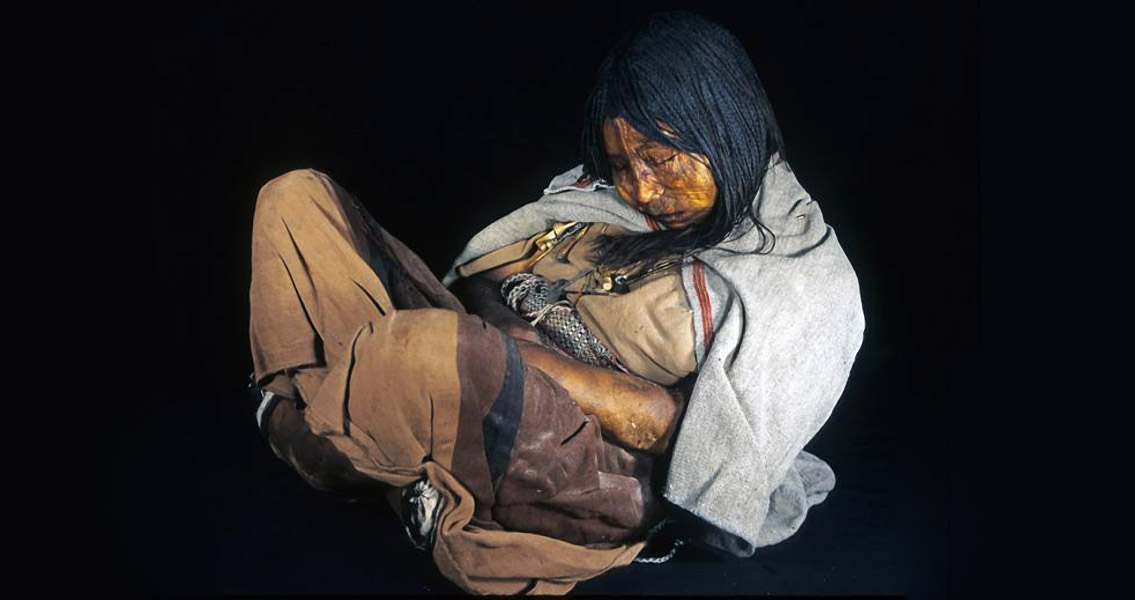
Science Advances, the study marks the first large scale investigation of indigenous DNA and its presence in modern Americans. The researchers analysed directly the DNA of 92 pre-Columbian skeletons, ranging from 500 to 8600 years old. Maternal genetic lineages were charted for the study by extracting and sequencing whole mitochondrial genomes from the teeth and bones of the 92 pre-Columbian skeletons. The team’s findings were shocking. “Surprisingly, none of the genetic lineages we found in almost 100 ancient humans were present, or showed evidence of descendants, in today’s Indigenous populations,” explained Dr Bastien Llamas, a Senior Research Associate with ACAD and joint lead author of the study. “This separation appears to have been established as early as 9000 years ago and was completely unexpected, so we examined many demographic scenarios to try and explain the pattern.” How such an extreme population decline could take place is a mystery, but Llamas suggests it is directly tied in with the pattern of colonisation. “The only scenario that fit our observations was that shortly after the initial colonisation, populations were established that subsequently stayed geographically isolated from one another, and that a major portion of these populations later became extinct following European contact.” he said, in a press release. “This closely matches the historical reports of a major demographic collapse immediately after the Spaniards arrived in the late 1400s.” Just last month, a genetic analysis of Panamanian men found that even though most Panamanians are from female indigenous ancestry, only 22% of the men studied had Y-chromosomes of native origin. Published in the journal PLOS ONE, the study led by Viola Grugni revealed the signature of the strong male genetic impact of European invaders. Beyond highlighting the dramatic consequences of European colonisation, the data collected by the researchers behind the latest study offers insight into the timing of the very first population of the Americas. “Our genetic reconstruction confirms that the first Americans entered around 16,000 years ago via the Pacific coast, skirting around the massive ice sheets that blocked an inland corridor route which only opened much later,” said ACAD’s director, Professor Alan Cooper. “They spread southward remarkably swiftly, reaching southern Chile by 14,600 years ago.” These earliest Americans were distinguished by their limited genetic diversity, a consequence of their population being isolated on the Bering Land Bridge for thousands of years during the last Ice Age. “This long isolation of a small group of people brewed the unique genetic diversity observed in the early Americans.” remarked Dr Lars Fehren-Schmitz, from UCSC, the other lead author. The new study charts both the formation of a unique early American identity, and its disappearance as a result of European colonisation. Image courtesy of Johan Reinhard]]>

Categories
Breaking News

Neanderthal and Denisovan DNA in Modern Humans

www.science.sciencemag.org]]>

Categories
Breaking News

New Information Added to Timeline of Human Evolution

Categories
News

Spanish Conquest Echoed in Panamanian Genetics

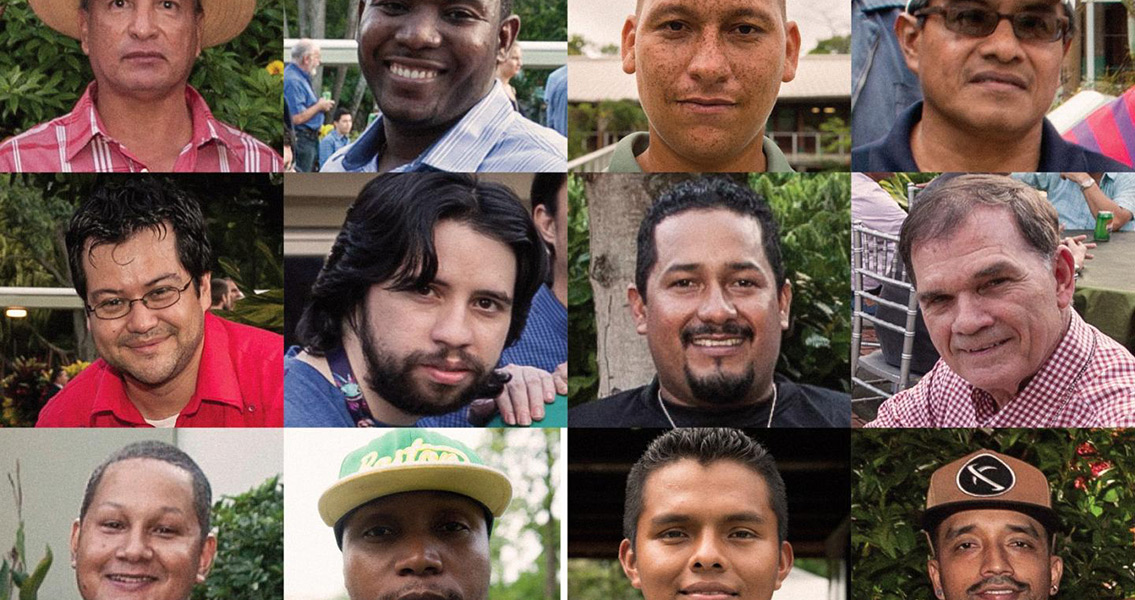
PLOS ONE, was performed by a team of scientists from the University of Pavia, led by Viola Grugni. The team studied the genetics of 408 Panamanian men to investigate Y-chromosome variation in the population through the centuries. In modern Panama, seven indigenous ethnic groups account for 12.3% of the country’s population. 83% of the country’s general population however, harbour mitochondrial DNA of native ancestry. By focusing on the Y-chromosome, the researchers revealed a remarkable contrast between paternal and maternal genetic inheritance. The Native American component (Haplogroup Q) exceeded 50% in only three regions on the Caribbean facing side of Panama. Two of those regions, Comarca of Kuna Yala and Bocas del Toro province, are areas dominated by speakers of the indigenous Chibchan language. The third, the province of Colón, hosts a population dominated by the Kuna, an indigenous people of Colombia and Panama, and people of mixed indigenous-African-European descent. Every human has a pair of sex chromosomes which determine their gender. Whereas women have two X-chromosomes, men have one X and one Y chromosome – the Y-chromosome inherited from their father. Mitochondrial DNA on the other hand, is only inherited from the mother in both males and females. Small mutations which have accumulated in the two types of DNA over time allow scientists to trace genetic histories. By highlighting differences in the make-up of Y-chromosomes and Mitochondrial DNA, the authors have revealed the long term genetic effects of colonisation. The Spanish conquest, beginning in 1499, instigated drastic genetic change in Central America. Much of the native population was killed in conflict with the Spanish population, while the spread of European diseases to people with no immunity to them was also catastrophic. Male Spanish colonists typically came to the region without their wives, often taking native women as their partners. The legacy of this is found in the dominance of European DNA in the Y-chromosome. The presence of Sub-Saharan DNA reveals the long term genetic impact of the Atlantic slave trade. The results also show the geographic distribution of Spanish colonisation, which after 1519 was most densely focused on Panama’s Pacific side where a drier climate was more suitable for agriculture and cattle raising. The prevalence of Eurasian Y-chromosomes ranged from 62 to 72 percent in test subjects from the Pacific regions of Panama, while the proportion of native chromosomes was between 66 to 88 percent in the Caribbean regions, a dramatic difference. Darien Province had the highest proportion of Sub-Saharan DNA, according to the results. The authors believe this notable exception is explained by the region having been a popular point of refuge for escaped slaves during the colonial period. The region of Central America that is now Panama has been inhabited continuously for the the last 10,000 years, the new study reveals the massive genetic changes that have occurred in the last 600 as a result of European colonisation. For more information, the full study is available here Image courtesy of Jorge Aleman, STRI]]>

Categories
Breaking News

Neanderthal DNA Linked to Depression, Strokes and Smoking

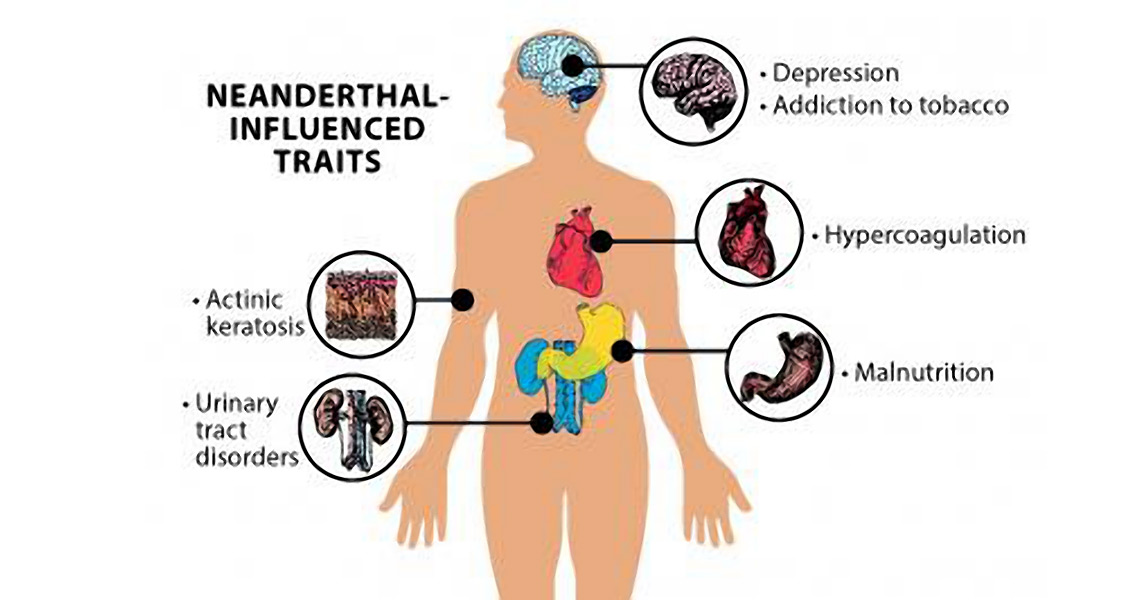
Science, the new study from scientists at Vanderbilt University is the first to actually compare Neanderthal DNA in a significant population of adults from European ancestry with their medical records. Just a few weeks ago, a study claimed that Neanderthal DNA could be responsible for allergies in humans, while previous research has suggested anything from skin colour to our fat metabolism could have been affected by Neanderthal DNA. Led by Professor John Capra from Vanderbilt University, the new study confirms that Neanderthal DNA influences a surprisingly diverse range of clinical traits in modern humans. “Our main finding is that Neanderthal DNA does influence clinical traits in modern humans: We discovered associations between Neanderthal DNA and a wide range of traits, including immunological, dermatological, neurological, psychiatric and reproductive diseases”, Capra explained. A surprising number of Neanderthal snippets are associated with neurological and psychiatric effects, according to the new study. “The brain is incredibly complex, so it’s reasonable to expect that introducing changes from a different evolutionary path might have negative consequences.” explained Corinne Simonti, a doctoral student from Vanderbilt University and the the paper’s first author. Aspects of Neanderthal DNA which modern humans retained to their advantage 40,000 years ago could be proving deadly now. One Neanderthal DNA variant is responsible for rapid blood coagulation in modern humans, something which seals wounds quickly and prevents infection – a crucial trait in hostile, perilous prehistoric environments. In modern societies however, this trait has become detrimental, with hypercoagulation increasing the risk of stroke, pulmonary embolism and complications during pregnancy. The team obtained their results by taking advantage of the Electronic Medical Records and Genomics Network funded by the National Human Genome Research Institute, a database which links the biological samples of 28,000 patients with their health records. After identifying individuals who suffered from specific medical conditions, such as heart disease or depression, the team determined the unique set of Neanderthal DNA those individuals carried. By comparing the two sets of data the team could identify whether each piece of Neanderthal DNA influenced the risks found in the medical records. The techniques developed by the team have the potential to open up new avenues to study the effects of different key events on human evolution. “Vanderbilt’s BioVU and the network of similar databanks from hospitals across the country were built to enable discoveries about the genetic basis of disease”, explained Prof. Capra “We realized that we could use them to answer important questions about human evolution.” Capra and his team are now looking into studying other data held in the medical records, beyond just physical traits, to gain an even wider understanding of the effects of Neanderthal DNA. For more information: www.science.sciencemag.org Image courtesy of Deborah Brewington, Vanderbilt University]]>

Categories
Breaking News

Roman-Era Cemeteries Yield New Data on Human Migration

here Image courtesy of Kristina Killgrove]]>

Categories
Breaking News

DNA Offers Insights into European Hunter Gatherers