Categories
Breaking News

Bandicoot Fossils Show Marsupials were Ancient Survivors

Lemdubuoryctes aruensis however, the remarkably archaic new bandicoot fossil discovered by Alpin, didn’t live in a rainforest but on an expansive savannah plain stretching from Australia to New Guinea at the time of the last glacial maximum. “While retreating rainforests and spreading grasslands did provide a backdrop for ecosystem change 5-10 million years ago. The Australian fauna likely adapted via changing its distribution rather than undergoing wholesale extinction and replacement,” Michael Westerman, with La Trobe University in Australia, says in the article, adding, “This agrees with our results from DNA, which indicate that modern desert-living bandicoot groups pre-date the onset of aridity by as much as 40 million years.” These timeframes coincide with the proliferation of Eucalyptus woodlands in Australia’s interior. “Bandicoots, like other Australasian marsupials, probably occupied a range of different habitats over many millions of years. However, our study has further implications for future conservation. Arid zone bandicoots are amongst the most vulnerable mammals in Australasia today, with multiple species having gone extinct within the last 100 years. By demonstrating their profound evolutionary antiquity, we can thus serve to highlight how extremely urgent it is to protect these living fossils as part of Australia’s unique biodiversity”, Dr. Kear is quoted as saying in the Heritage Daily article. The study has been published in Scientific Reports. ]]>

Categories
Breaking News

Sex With Neanderthals Still Benefiting Humans

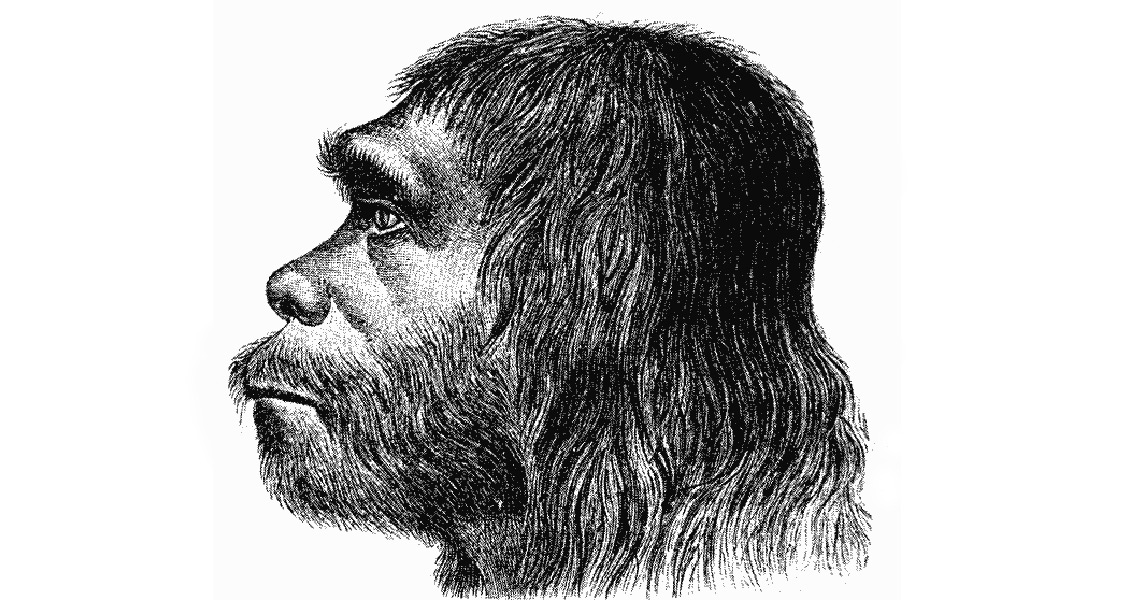
in Science Daily. Titled ‘Archaic Hominin Admixture Facilitated Adaptation to Out-of-Africa Environments’, the study by Rachel M. Gittelmann, Joshua G. Schraiber, Benjamin Vernot, Carmen Mikacenic, Mark M. Wurfel and Akey has been published in the journal Current Biology. It argues that as humans left Africa, interbreeding with Neanderthals and other archaic hominins allowed them to develop various traits for survival. Neanderthals left Africa hundreds of thousands of years before modern humans, around 300,000 years ago. Modern humans made their way away from the continent sometime between 100,000 and 60,000 years ago. It has been well established that as modern humans made their way to new parts of the world, they encountered and sometimes had children with various archaic humans, such as Neanderthals and Denisovans. Remains of this breeding can still be seen in people today. Previous studies have shown that non-African humans inherited about 2% of their genome from Neanderthals. People of Melanesian ancestry take between 2% and 4% of their genome from Denisovan ancestors. In the study, the researchers searched a sample of 1,500 individuals from East Asia, Europe and South Asia, as well as 27 from Island Melanesia, for archaic DNA sequences in their human genomes. In particular, the team were searching for archaic DNA sequences which appeared at a higher frequency than one would expect unless the genes were beneficial in some way. Neanderthal and Denisovan DNA sequences are typically found at low frequencies, generally less than 5%. However, Gittelmann et al found 126 locations where the archaic sequences exist at much higher frequencies, up to 65%. 31 of those regions are involved in human immunity, while seven play a role in determining characteristics of our skin. These attributes inherited from archaic hominins could have played a vital role in our survival after leaving Africa, allowing human populations to spread. “The ability to increase to such high population frequencies was most likely facilitated because these sequences were advantageous,” Akey explained. “In addition, many of the high-frequency sequences span genes involved in the immune system, which is a frequent target of adaptive evolution.” As humans left Africa they encountered a host of unfamiliar, challenging environments. Tellingly, the team’s results suggest that many of the genes received from Neanderthals and Denisovans are connected to interactions with the environment. Hybridization through interbreeding, therefore, could have been the most efficient way for humans to adapt to the potentially hostile new lands they were encountering.]]>

Categories
Breaking News

DNA Sequencing Proves First Polynesians Didn’t Linger on Their Journey

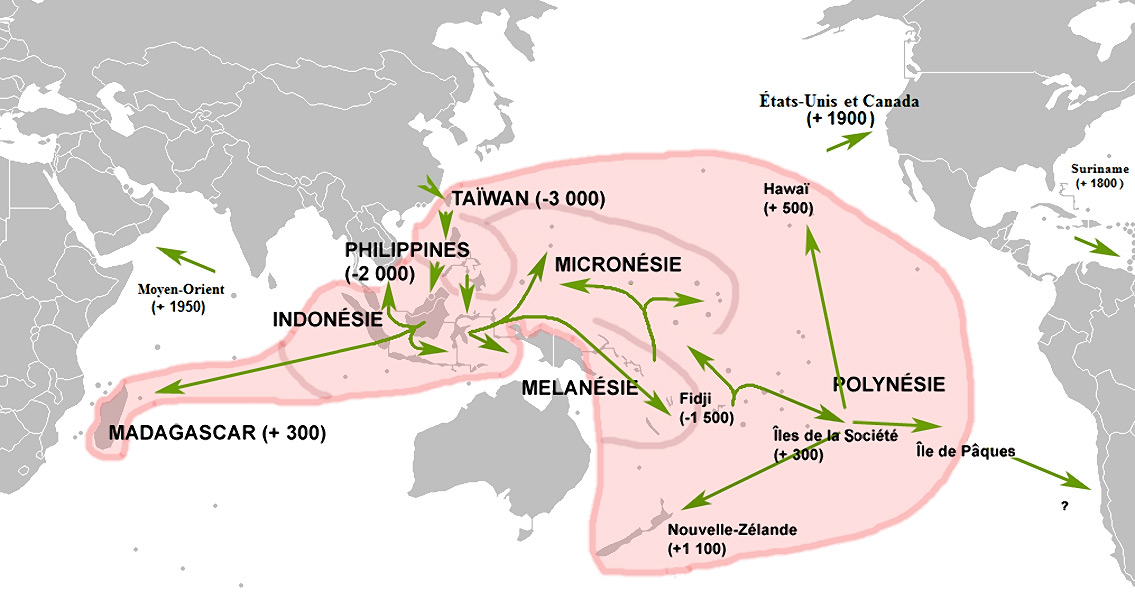
Science that the study decides a decades-long dispute, showing the East Asians skipped over islands populated by Melanesians at the time without picking up any of their genes, an example of how cultures can initially avoid mixing between groups. Known collectively as the Lapita culture, the first Polynesian Islanders left behind plenty of enticing artifacts, including unique red stamped pottery, shell ornaments and obsidian tools. These artifacts first showed up over 3,000-years-ago in New Oceania, in the Bismarck Archipelago. The Lapita culture grew yams, taro and breadfruit; brought chickens and pigs; and quickly spread to other islands such as New Caledonia and Vanuatu, and then to Tonga, Samoa, Fiji, and beyond. The two models previously considered by archaeologists included the “express train” model, which had the Lapita traveling quickly from mainland China to Taiwan, the Philippines, and then across open ocean to Vanuatu and then Samoa. Covering a total of 24,300 kilometers in around 300 years. This model is supported by linguistics models showing how Austronesian languages, which are very different from the Papuan languages of Melanesia, spread into Oceania from East Asia. The “slow boat” model was supported by the DNA of live Polynesians which showed evidence of their Lapita ancestors lingering in Melanesia, living with the locals and then spreading slowly eastward. This new study involved the extraction of DNA from the ancient skeletons of four women from the islands Tonga and Vanuatu, dating back to between 2,300 and 3,100 years ago, three of which were directly connected to the Lapita culture. The international team sequenced the DNA (up to 231,000 positions) of each skeleton and then compared their findings to the DNA of almost 800 people from 83 different populations currently living in East Asia and Oceania. The four ancient women shared all of their ancestry with the Atayal, an indigenous people from Taiwan and the Kankanaey people from the Philippines. The Lapita showed no evidence of a Papuan ancestry, meaning they took the express route all the way to Oceania without ever mixing with Melanesians. ]]>

Categories
Breaking News

Vikings, Ancient Egyptians and the Spread of the House Cat

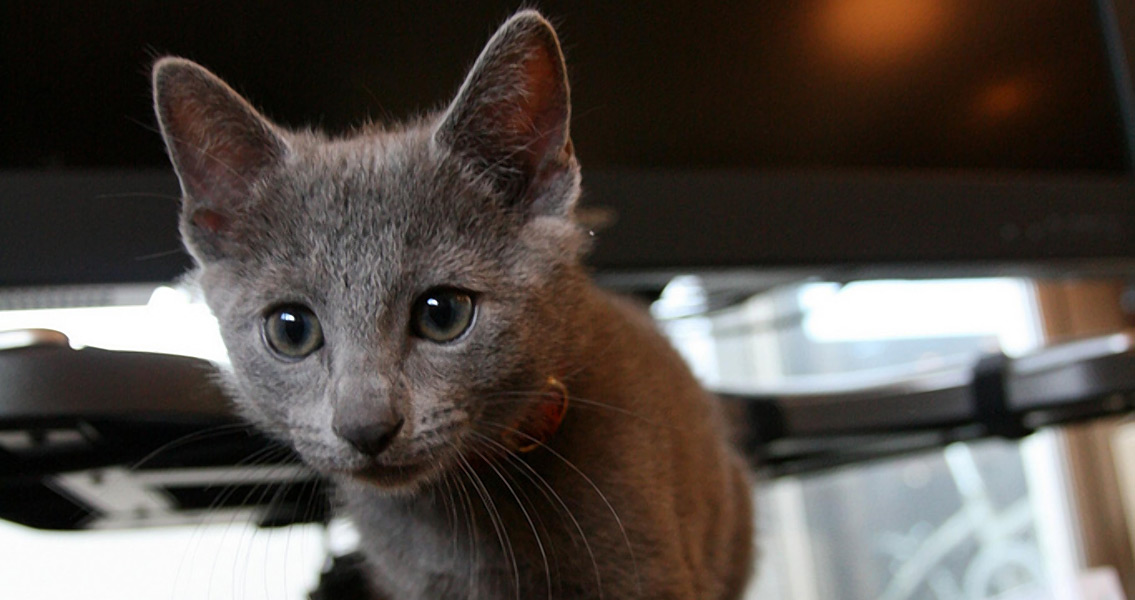
in up to 37% of homes in the USA. However, until now, little was known about the history of cat domestication. Indeed, scientists still debate whether the house cat can truly be called a domesticated animal, debating whether its behaviour and anatomy are truly that different from its wild relatives. “We don’t know the history of ancient cats. We do not know their origin, we don’t know how their dispersal occurred,” Eva-Maria Geigl, an evolutionary geneticist at the Institut Jacques Monod in Paris, told Nature. Geigl presented the study, along with her colleagues Claudio Ottoni and Thierry Grange. The team carried out the first ever large scale study of ancient feline DNA, taking specimens excavated from thirty archaeological sites in Europe, the Middle East and Africa. All together, they sequenced the DNA of 209 cats, dating from 15,000 years ago to the eighteenth century CE. Tellingly, a 9,500 year old human burial in Cyprus contained the remains of a cat. According to the authors of the study, this suggests that the connection between humans and felines dates back at least as far as the dawn of agriculture, which began in the nearby fertile crescent around 12,000 years ago. Geigl and colleagues’ results suggest that cat populations grew in two distinct waves. As early farming communities expanded into the Eastern Mediterranean they brought Middle Eastern wildcats with a particular mitochondrial lineage with them. Geigl suggests that the grain stockpiles of these early farming communities attracted rodents, which in turn attracted wild cats. Humans might have started to domesticate cats after seeing the benefits they offered in keeping stores free of rats and other rodents. Meanwhile, around 6,000 years ago wild cats started to be tamed in ancient Egypt, the civilisation’s feline fixation deepening to the point that millions of cats were mummified. Thousands of years after the Middle Eastern cat lineage had entered the Mediterranean, cats descended from Egypt started to spread across Eurasia. A mitochondrial lineage present in cat mummies from the fourth century BCE to the fourth century CE was also found in cats in Turkey, Bulgaria and Sub-Saharan Africa. Again, rodents were likely responsible for the spread of cats. The study suggests that sea-faring people likely used them to keep rodents in check on ships. Fascinatingly, the team also found cat remains from the Egyptian lineage at a Viking site in northern Germany dating to between the eighth and eleventh century. “There are so many interesting observations” in the study, Pontus Skoglund, a population geneticist at Harvard Medical School in Boston, told Nature. “I didn’t even know there were Viking cats.” Geigl’s team also analysed the DNA mutation responsible for the blotched coats found on tabby cats. They found the unique mutation didn’t occur until the Medieval period. The scientists now hope to sequence more nuclear DNA from ancient cats, to further our understanding of the mysterious, under studied history of our feline friends. This article was corrected on 25th September 2016. The original said that cats were kept as pets in over 75% of homes in the US. The correct figure is in fact between 30% and 37%.]]>

Categories
Breaking News

DNA Confirms the Bacteria Responsible for the Great Plague

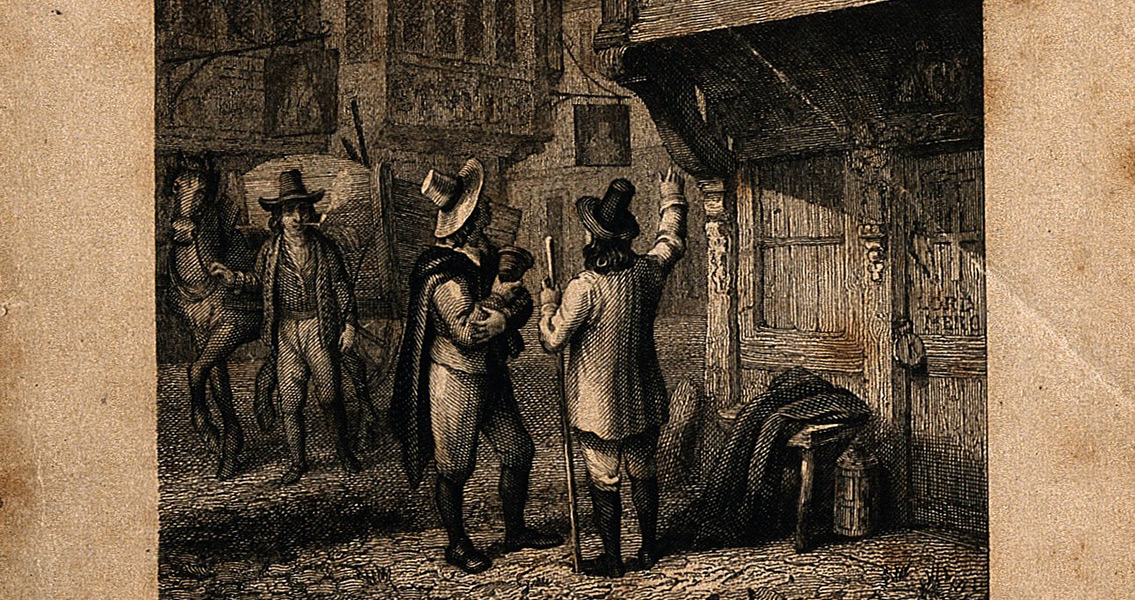
Yersinia pestis, was present in the victims, a year after the discovery of a suspected mass burial pit during excavation work associated with the Crossrail project at Liverpool Street, in East London. The identity of which microbes were responsible for the Great Plague has long been debated. The search for the bacterium was conducted by the osteology department of the Museum of London Archeology (MOLA), where the finds from Liverpool Street are stored. Michael Henderson led the examination of a number of skeletons from the site. He told BBC News, “They’re carefully boxed, individual elements, legs separately, arms separately, the skulls and the torsos. We excavated in the region of three and a half thousand skeletons, one of the largest archaeologically excavated to this date. A vast data set that can give us really meaningful information.” Teeth from the London remains were extracted and sent for DNA analysis at the Max Planck Institute for the Science of Human History, in Germany. “The best thing to sample for DNA is the teeth; they’re like an isolated time capsule,” Henderson explained in the BBC News interview. Once in Germany, Kirsten Bos, a molecular palaeopathologist with the institute, led the painstaking effort to drill out the tooth pulp used in the search for the seventeenth-century bacteria, resulting in positive results from five of the individuals tested. “We could clearly find preserved DNA signatures in the DNA extract we made from the pulp chamber and from that we were able to determine that Yersinia pestis was circulating in that individual at the time of death. We don’t know why the Great Plague of London was the last major outbreak of plague in the UK and whether there were genetic differences in the past, those strains that were circulating in Europe to those circulating today; these are all things we’re trying to address by assembling more genetic information from ancient organisms.” Bos told BBC News. The horrific fate of the infected Londoners was described in the eighteenth-century account of the event: A Journal of the Plague Year, by Daniel Defoe. “The plague, as I suppose all distempers do, operated in a different manner on differing constitutions; some were immediately overwhelmed with it, and it came to violent fevers, vomitings, insufferable headaches, pains in the back, and so up to ravings and ragings with those pains,” Defoe wrote. “Others with swellings and tumours in the neck or groin, or armpits, which till they could be broke put them into insufferable agonies and torment; while others, as I have observed, were silently infected.” Alison Telfer, from MOLA, told the BBC’s Today program, “We’ve found about three-and-a-half thousand burials on this site. We’ve been working here for the last five-and-half-years on and off and we’re hoping we’ll be able to get positive identification of the plague on a number of the individuals.” Bos’s team will continue sequencing the full DNA genome in order to completely understand the spread and evolution of the disease. ]]>

Categories
Breaking News

DNA Tests Quash King Albert I Death Conspiracy Theory

Royalty, bought one such relic: blood stained tree leaves, determined to find out once and for all if they were truly covered in the monarch’s blood. In 2014, Professor Dieter Deforce from the University of Gent carried out tests confirming the blood was human. From there, Larmuseau and his team commenced DNA analysis to confirm whether the blood did indeed belong to King Albert I. “King Simeon II of Saxe-Coburg and Gotha, the last tsar and former prime minister of Bulgaria who is related to Albert I on his father’s side, and Anna Maria Freifrau von Haxthausen, a German baroness who is related to Albert I on her mother’s side, were willing to cooperate. They gave up DNA samples that we compared with the DNA of the trails of blood. We found that the blood is indeed that of Albert I.” said Larmuseau, in a press release from KU Leuven. “The authenticity of the trails of blood confirms the official account of the death of Albert I. The story that the dead body of the king has never been in Marche-les-Dames or was only placed there at night has now become very improbable. Furthermore, the results show that conducting a perfect legal investigation at the time was impossible right from the start, because souvenir hunters had disturbed the scene.” Larmuseau continued. Born in April 1875, King Albert succeeded to the throne in 1909. His popularity came from his refusal to allow German troops free passage through Belgium in 1914, and his personal leadership of the Belgian army during the First World War. Following the armistice, his reign was considered crucial in securing Belgium’s post war recovery. For more information: www.fsigenetics.com Image courtesy of © KU Leuven – Maarten Larmuseau ]]>

Categories
Breaking News

It Takes Global Collaboration to Sequence a 6,000-year-old Seed

Nature Genetics. Image courtesy of Prof. Ehud Weiss ]]>

Categories
Breaking News

Transition to Agrarian Lifestyle Not Tied to Genetics

Science, is available here Image courtesy of Fereidoun Biglari, National Museum of Iran]]>

Categories
Breaking News

Neanderthal Mutations Could Still be Affecting Humans

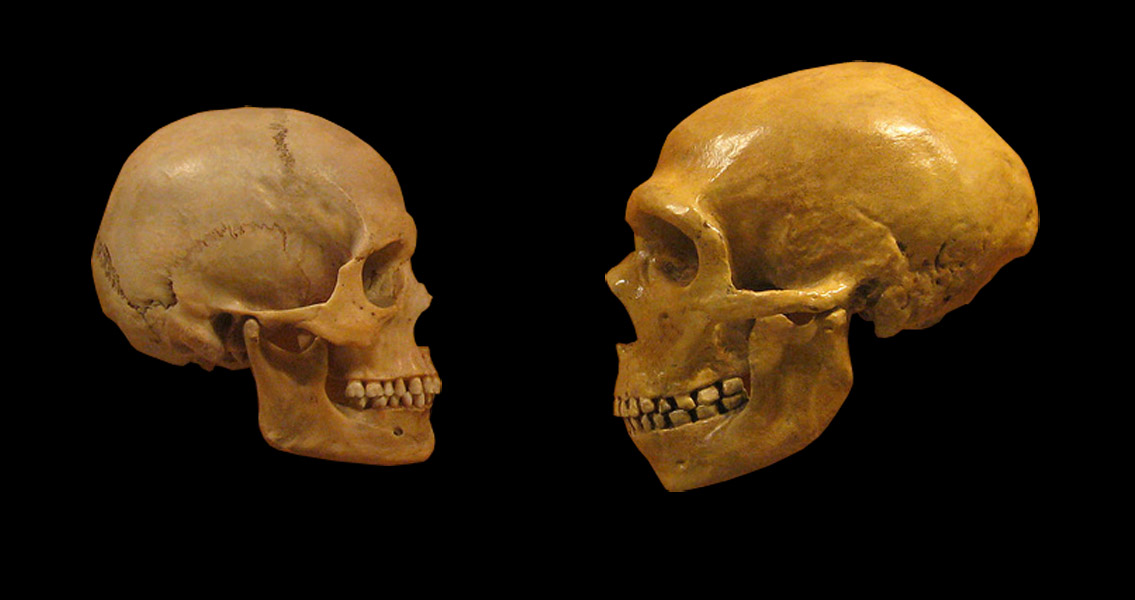
GENETICS. Harmful mutations present in the genome of Neanderthals made them up to 40% less fit reproductively than modern humans, according to the study. Although most of the effects have since been lost to time, these mutations likely passed to non-African humans when they interbred with Neanderthals. It is suggested that the mutations could still be affecting the fitness of some populations today. The study was led by Kelley Harris of Stanford University, along with her colleague Rasmus Nielse, from the University of California Berkley and Copenhagen University. “Neanderthals are fascinating to geneticists because they provide an opportunity to study what happens when two groups of humans evolve independently for a long time–and then come back together,” Harris explained. “Our results suggest that inheriting Neanderthal DNA came at a cost.” It is now widely accepted that modern humans interbred with Neanderthals, our closest extinct genetic relatives, with between 2% and 4% of genetic material in modern, non-African human populations having a Neanderthal origin. A study published earlier this year suggested that anything from the risk of depression to nicotine addiction could be connected to the mixing of human and Neanderthal genomes. Due to their smaller, more concentrated population, inbreeding was much more common among Neanderthals than modern humans, leading to their decreased genetic diversity. Harris and Nielsen were particularly fascinated by the fact that the Neanderthal genetic contribution to the modern human genome is uneven, but not random. Neanderthal sequences tend to be concentrated in certain areas, but totally absent elsewhere. “Whenever geneticists find a non-random arrangement like that, we look for the evolutionary forces that caused it,” Harris remarked. They hypothesised that the explanation could be found in natural selection. In small populations, like the Neanderthals, natural selection is less effective, allowing mutations to persist and have a larger influence. If such a mutation is introduced back into a larger population (such as modern humans) however, it’s quickly lost in the march of natural selection. To understand this process, Harris and Nielsen used computer programs to simulate mutation accumulation during Neanderthal evolution and estimate how humans were affected by the influx of Neanderthal genetic variants. They concluded that Neanderthals would have carried many mild, harmful mutations, combining to make them 40% less fit than humans in evolutionary terms. Their results also suggest that humans and Neanderthals had actually interbred much more freely and frequently than previously believed. The findings suggest that thousands of years ago, when both humans and Neanderthals inhabited the earth, closer to 10% of non-African humans’ genomes would have been Neanderthal. Shockingly, Harris and Nielsen suggest that a fraction of the harmful Neanderthal genetic mutations could still be present in modern human populations. They estimate the result could be a 1% lower reproductive fitness in modern day non-Africans. For more information: www.genetics.org]]>

Categories
Breaking News

Proof That Aboriginal Australians Were the First

Proceedings of the National Academy of Sciences, the authors of the study argue they have found conclusive evidence that Aboriginal people were the first to inhabit the continent. The findings refute a controversial study that claimed a now extinct group of modern humans had been the first to set foot on Australia. The earlier study recovered DNA lineages from the ‘oldest known Australian’, Mungo Man. It concluded that Mungo Man represented a human lineage which must have lived on the Australian continent before the arrival of Aboriginal people. By applying new DNA sequencing methods to re-analyse the same set of remains, the scientists from Griffith University’s Research Centre for Human Evolution (RCHE) claim that the original DNA study of Mungo Man drew incorrect conclusions about his lineage. Mungo Man (LM3) is one of three sets of remains discovered at the Lake Mungo site in New South Wales, Australia. First unearthed in February 1974, Mungo Man is believed to have been around fifty years old at the time of his death. It appears the early hunter-gatherer was buried with care, laid on his back with his hands crossed in his lap, and sprinkled in red ochre, in one of the earliest examples of such a ritual. His bones showed signs of severe arthritis, especially in the right elbow, suggesting he would not have been able to move his right arm in the time leading up to his death. Dated to around 42,000 years old, the remains caused a drastic rethink about the history of Australia’s population. Previously, it was assumed that the first humans had arrived on the continent around 20,000 years ago. Professor Lambert from RHCE highlighted the inconsistencies in the earlier study. “The sample from Mungo Man which we retested contained sequences from five different European people suggesting that these all represent contamination,” he said in a press release. “At the same time we re-analysed more than 20 of the other ancient people from Willandra (the reserve where Lake Mungo is located). We were successful in recovering the genomic sequence of one of the early inhabitants of Lake Mungo, a man buried very close to the location where Mungo Man was originally interred.” he went on to explain. “By going back and reanalysing the samples with more advanced technology, we have found compelling support for the argument that Aboriginal Australians were the first inhabitants of Australia.” Lambert and colleagues’ study shows that advanced technology is capable of extracting valuable data from Aboriginal Australian remains, offering potentially enlightening insights into the history of Australia’s first inhabitants. “We now know that meaningful genetic information can be recovered from ancient Aboriginal Australian remains,” he said. “This represents the first time researchers have recovered an ancient mitochondrial genome sequence from an Aboriginal person who lived before the arrival of the Europeans.” Image courtesy of Wikimedia Commons user James Maurice Bowler]]>