Categories
Breaking News

Brazil’s Lessons from Indian Independence

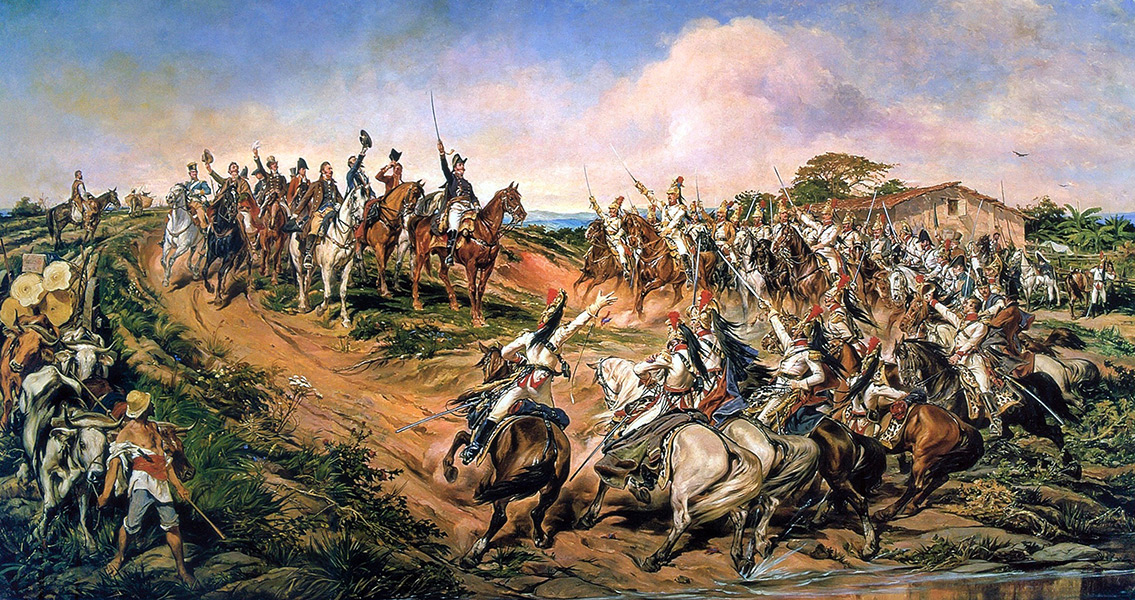
Journal of Global History. “Latin America, by virtue of its radically different history of colonialism from much of the ‘Third World’, resists many of the narratives of either Cold War historiography or postcolonial theory that have emerged from considerations of these regions.” Colonialism in Latin America happened earlier, endured longer, and became much more deeply embedded in society in comparison to other colonial countries. Latin America’s post-colonial movements did not, therefore, lead to the same anti-colonial nationalism which typifies independence movements in Africa and Asia. Brazilians were not averse to being considered ‘Western’, Chakravati argues, but they did not wish to be considered peripheral to the West. By studying several prominent Brazilian intellectuals, Chakravati has revealed that these thinkers examined Indian independence. “Despite their differences in personality, career, and ethical and political commitments, our Brazilian protagonists demonstrated,” Chakravati argues “[a] shared starting point of a self-identification with the West, including its imperial heritage, complicated by their own position as postcolonial figures from the global periphery.” By examining India’s independence, Brazil’s intellectuals saw a troubling mirror-image of their own peripheral position with regard to the West. Following independence, India was of less importance to the West as wide-ranging reforms decreased the profits foreign investors could make. By nationalising heavy industries such as steel, aviation, shipping, electricity and mining, India aligned itself very clearly as a post-colonial nation. In Brazil’s case, the newly-independent country did not oppose the colonial powers. Chakravati argues that one particular event shows this very clearly. After gaining independence in 1947, India requested Portugal cede its territories on the subcontinent to India. After more than a decade, India annexed Goa using military force in 1961. In response to this, Brazil – rather than condemning Portugal’s continued colonial policy around the world – declared the matter to be a bilateral issue between India and Portugal. Clearly, therefore, Brazil was attempting to portray itself as a pro-Western, independent nation. Chakravati has effectively shown that post-colonial countries should not be treated as entirely passive entities, wrapped up in the wider context of Cold War politics. They were independent nations which located themselves in world politics in nuanced and varied ways. Image courtesy of Wikimedia Commons user: Lmbuga For more information: www.journals.cambridge.org]]>
Categories
Breaking News

Outpouring of Grief for Belgian Monarchs Explored

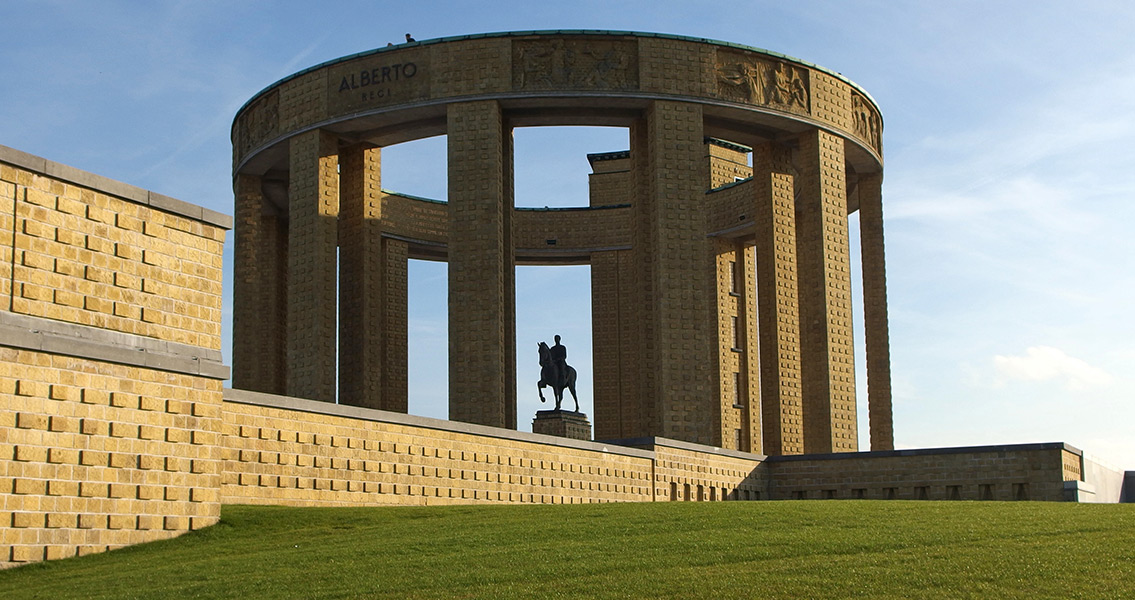
Contemporary European History, has examined how these events can provide an understanding of how ceremonies of mourning reveal the relationship between European monarchies, political culture and the mass media. The deaths of major royal figures attract a lot of attention at the time in the media and subsequently in scholarly work. This academic attention has revealed some very interesting points. “Various authors have already stressed how royal funerals and state funerals can be of relevance in public politics in the modern period through the use of ritual,” de Spiegeleer wrote. One area which hasn’t been studied very much is the response of the public to royal funerals. As a result, public attitudes to royal death have not fully been explored and it is only partially understood how normal people are affected by the demise of members of their royal family. In the context of increasingly nationalised European monarchies – a process which peaked during the First World War – de Spiegeleer notes that “royal funerals became prestigious ceremonial events par excellence and gained structural meaning in this world theatre of performing monarchies and national rivalry.” In the early twentieth century, the Belgian monarchy made concerted efforts to conduct public relation campaigns. In order to survive into the new century, the Belgian royal family attempted to portray itself as the ideal Belgian family, by emphasising its members qualities and accomplishments. Of particular importance was a patriotic dedication to the nation, military successes, efforts to guarantee peace, and various charitable works. On top of this, an image of a harmonious family life was also fostered. “Misery and sudden deaths increase the public appeal of royal families because this suffering brings the royal family closer to the people,” de Spiegeleer explains, as grief is a universal emotion felt by all. “The sudden and accidental nature of their [Albert and Astrid’s] deaths fulfilled the characteristic of royal suffering.” The surge of public sympathy and loyalty towards the royal family after these sudden deaths was unprecedented in Belgian history, de Spiegeleer notes. “The ritual of the funerals became a means to publicly express emotions and collective identities and offered a cathartic pole.” Most importantly, the funerals were covered in the Belgian media, allowing mass participation in essentially private events. “Radio, cinema and the press ensured a wide coverage of the royal deaths and funeral ceremonies to a degree that justifies calling them media events,” de Spiegeleer argues. The public expressions of grief show that the Belgian public felt very close to their monarchy. Whilst expressions of grief were nuanced and varied, the mass outpouring of emotion – facilitated by the media – means that the meaning of these deaths was important in shaping inter-war Belgium. It is interesting to explore this area of history as it allows us to understand mass grief at royal death in our own time. For more information: www.journals.cambridge.org Image courtesy of Wikimedia Commons user: Mark Ahsmann]]>

Categories
Breaking News

New Research Examines Cromwellian State-Building in Ireland

www.past.oxfordjournals.org Image courtesy of Wikimedia Commons user: Soerfm]]>

Categories
Breaking News

Revealed: How Leprosy Came To Britain

PLOS ONE. The man’s skeleton shows the signs of having been afflicted by leprosy: the toe bones have narrowed and there is damage to the joints. By conducting modern DNA testing the team confirmed that the man, probably aged in his twenties, suffered from leprosy and may well have come to Britain from southern Scandinavia. The team tested the skeleton for bacterial DNA and lipid biomarkers which are characteristic of leprosy. What they found was quite remarkable. “Not every excavation yields good quality DNA,” Professor Mike Taylor, a Bioarchaeologist from the University of Surrey, said, “but in this case, leprosy DNA isolated from the skeleton was so good it enabled us to identify its strain.” Results of the tests showed the specific lineage which the leprosy strain belonged to. The lineage, called 3I, has previously been found in burial sites from Medieval Scandinavia and southern Britain. In the case of the team’s research, the leprosy strain comes from a much earlier period, dating from the fifth or sixth Century CE. By comparing the identified fatty molecules known as lipids from the different leprosy bacteria, the team confirmed that the 3I leprosy found in the Great Chesterford skeleton was different to later strains. Isotopic analysis of the man’s teeth also provided some interesting results. It seems that the Great Chesterford man did not come from Britain; he most likely grew up elsewhere in northern Europe, perhaps southern Scandinavia. It is possible, therefore, that he brought a Scandinavian strain of the leprosy bacterium with him when he traveled to Britain. Project leader Dr Sarah Inskip of Leiden University stated: “The radiocarbon date confirms this is one of the earliest cases in the UK to have been successfully studied with modern biomolecular methods. This is exciting both for archaeologists and for microbiologists. It helps us understand the spread of disease in the past, and also the evolution of different strains of disease, which might help us fight them in the future. We plan to carry out similar studies on skeletons from different locations to build up a more complete picture of the origins and early spread of this disease.” Leprosy today is mainly confined to tropical areas, but in the past it occurred in Europe. Human migration helped to spread the disease, with skeletons from the seventh century onward in particular exhibiting signs of it. The origins of leprosy and how it spread are, however, shrouded in mystery. The recent study of the Great Chesterford skeleton has given us a fantastic opportunity to understand leprosy and, in particular, how it spread. For more information: www.journals.plosone.org Image courtesy of Wikimedia Commons user: Netha Hussain]]>

Categories
Breaking News

Spain's Urban History Traced

Journal of Urban History. “The fragmentation of disciplines produces points of view that are difficult to reconcile but it also generates a plural vision, almost kaleidoscopic, on Spanish urban history. We believe this is a good time to make an overall assessment.” After Spain’s stagnation in the seventeenth century, the country began to experience demographic growth in the early eighteenth century. “Cities were trade nodes and grew on the basis of the development of colonial empires,” Diaz and Araujo explain. Interestingly, these early modern cities had a significantly lower level of life expectancy than rural areas. Most large cities suffered from negative natural population growth; this trend could only be offset by sustained mass immigration to urban areas. The Spanish monarchy started to focus on the urban population’s material needs, particularly food markets. Urbanisation, therefore, is clearly not a modern phenomenon. Past municipal governments also sought to solve problems caused by a growing urban population. These urban projects, however, were very fickle. “Escalating conflict between the French and British empires, from the Seven Years War, absorbed the budget of the Spanish monarchy and slowed down or did not permit authorities to carry out large urban projects or simply limited them to wealthier neighborhoods,” Diaz and Araujo noted. Another key period which Diaz and Araujo draw attention to is the Spanish Civil War. The destruction wrought by the Spanish Civil War in the 1930s left a devastated country and more than 800,000 dead. Following the war, famine and shortages – in particular of building materials – ravaged cities and delayed reconstruction work for decades. Between 1950 and 1980, Spain had the highest rates of urban growth in Europe, peaking at 3.23 percent per year in the 1960s. This remarkable urbanisation created a serious housing problem. In the absence of public housing, the rental market dominated – the percentage of private ownership of houses in Madrid and Barcelona fell to 6%. In response to this crisis, the Spanish government adopted policies to encourage private dwelling ownership, considered to be important for social stability. By 1970, the percentage of people owning their home had risen to 64%, by 1980 this figure was 73%. Urban growth, however, sowed the seeds of Spain’s housing bubble which burst in spectacular fashion following the 2008 economic crash. During the economic boom Spain experienced between 1995 and 2008, GDP grew at 4 percent annually and national income increased 60 percent over the same period. The driving force behind this growth was the construction of four million households: eight hundred thousand units were built from 2005 to 2007, which, Diaz and Araujo note, was the same amount as France, Germany, and the United Kingdom – which had five times the Spanish population – built as a whole. Diaz and Araujo trace nearly 300 years of Spain’s urban development and decline. Their work provides a spectacular overview of the major trends and events in Spain’s history and links it with developments in urban history. For more information: www.juh.sagepub.com Image courtesy of Wikimedia Commons user: Fallschirmjäger]]>

Categories
Breaking News

Finland's Genetic Divergence Happened 20,000 Years Ago

www.nature.com Image courtesy of Wikimedia Commons user: Ikiwaner]]>

Categories
Breaking News

The Jewish Context of the 1905 Revolution

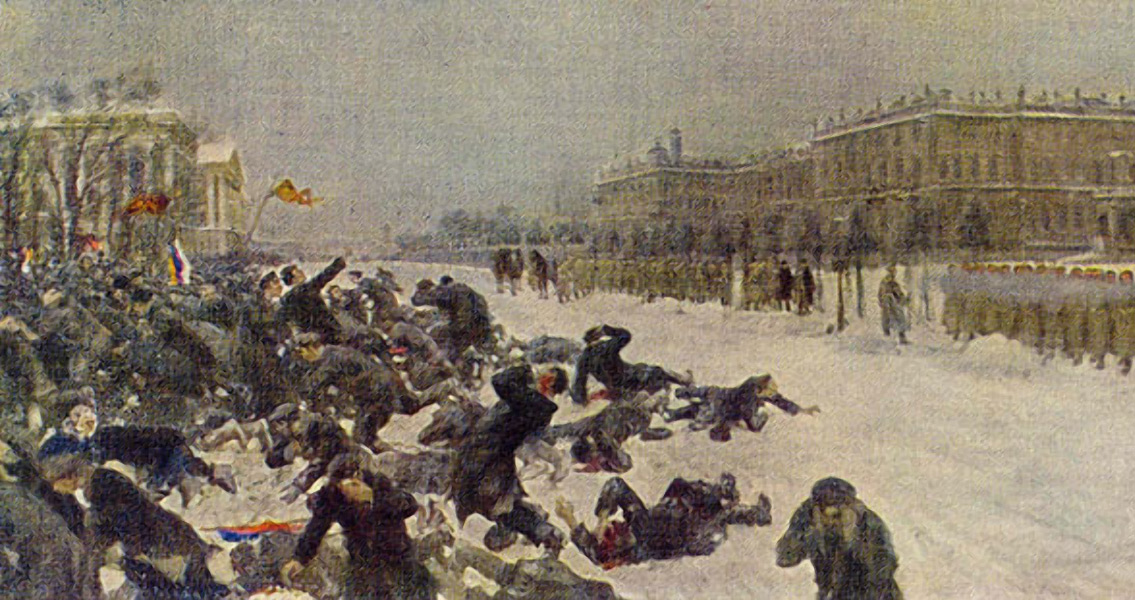
Jewish History. In the aftermath of the Revolution, new secular Jewish spaces began to emerge after the liberalisation policies of Tsar Nicholas II had slackened restrictions on the press and public gatherings. This new Jewish public sphere – comprised of the Yiddish press, coffeehouses and theatres – created an ‘ethno-linguistic’ community amongst Warsaw’s Jews, providing new collective bonds for the community. This new Jewish community provided a sense of order for new migrants to Warsaw, a place which could be very worrying. “The disorder, confusion, and possible dangers of urban life—from unfamiliar streetscapes to charlatans who preyed on those who were vulnerable—disoriented newcomers and other city residents, particularly women and children,” Auerbach notes. It is clear that scholarship has taken a clear shift in how Warsaw’s Jewish community is examined. The modern Jewish politics which arose in early-twentieth-century Warsaw was a reaction to a crisis of modernity and urbanisation. Jewish politics did not grow out of internal Jewish developments; they were a response to outside factors. “By shifting the focus away from ideologues, elite decision makers, and cultural figures and toward the broader public,” Auerbach notes, “[new research] complements and challenges the foundational historiography of modern Jewish politics in eastern Europe.” New cultural institutions expanded the Jewish public sphere and were instrumental in bringing Jews into political modernity. Coffeeshops, the press and theatres provided secular arenas where ideas could be shared and debated and Jews could form new bonds. “These spaces curbed the sense of isolation experienced by newcomers,” Auerbach concludes. For more information: www.link.springer.com Image courtesy of Wikimedia Commons user: Alex Bakharev ]]>

Categories
Breaking News

Nobles in the Streets: A Historical Curiosity

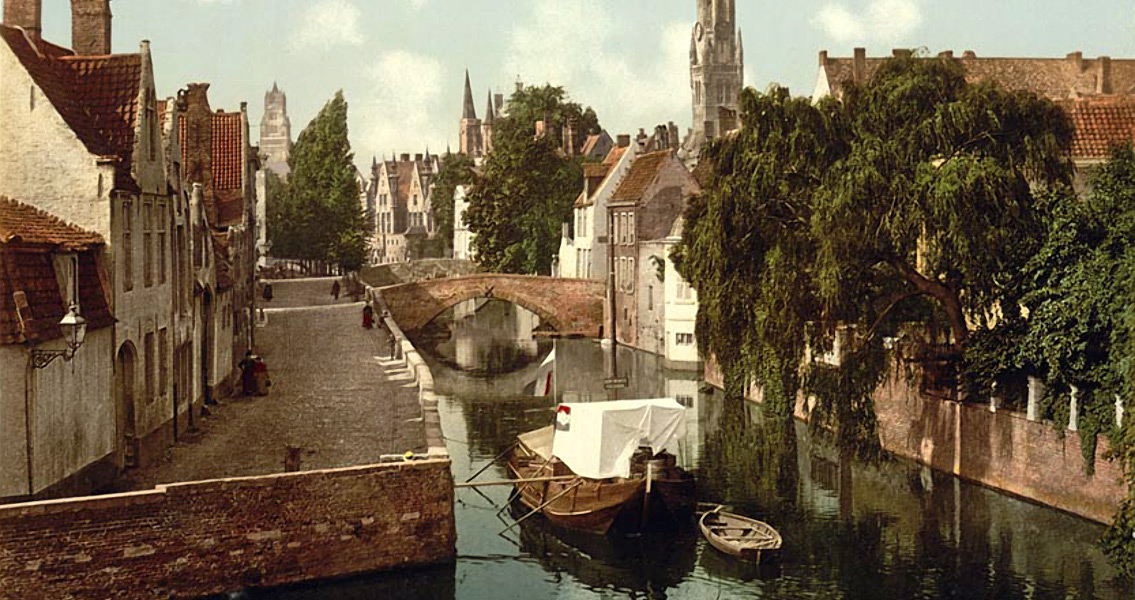
Past and Present, one of the most prestigious historical journals in the English-speaking world. “Indeed, the elites of Ghent, Bruges and Ypres, the three leading cities of the county [of Flanders], had begun to acquire rural estates as early as the second half of the thirteenth century, and members of the urban middle classes soon followed their example.” Since the early twentieth century, historians have assumed that urban elites who bought rural properties gave up their previous lifestyle. In what is called the ‘betrayal of the bourgeoisie,’ leading merchant families abandoned commerce entirely, preferring to pursue noble status rather than profit. Buylaert, however, suggests that this is a fundamentally flawed assumption. Acquiring rural estates, Buylaert argues, did not mean a withdrawal from the urban economy, or from commercial activities in general. Urban merchants “used their rural properties as pledges for contracts to buy or sell industrial goods that were made in or marketed through cities,” Buylaert explained. “Land was also a hedge against market fluctuations, a way of diversifying the investment portfolio.” Far from abandoning their lucrative commercial ways, therefore, these urban merchants used their rural holdings to further their mercantile aims. But what about the nobles seen in the streets of Bruges? Buylaert states that the ennoblement of city-dwellers must be seen in a context of a reciprocal urbanisation. For a long time before the first city elites were accepted into their ranks, Flemish nobles were striving to adapt to the increasing dominance of large cities; this urban growth through the medieval period held particular risks in Flanders, one of the heartlands of European feudalism. By the late thirteenth century, Ghent, Bruges and Ypres had become the economic, demographic and military powerhouses in the county of Flanders. The cities had gained so much power, in fact, that they started to dominate the political decision-making processes. “In response to the power of these cities,” Buylaert argues, “Flemish nobles… invested in urban life and the urban economy, thereby assuring the preservation of their social and political position. It was this investment that, in turn, allowed city elites to enter their ranks as seigniorial lords.” Buylaert has revealed a remarkable piece of social history by examining a rather curious incident in the history of Bruges. By exploring why a group of Flemish nobles were seen in an urban environment – somewhere they supposedly should not have been – Buylaert has re-evaluated how we should look at the medieval nobility. It appears that the elite of society were not apart from the rest of the population and their membership was, at least to an extent, porous. For more information: www.past.oxfordjournals.org Image courtesy of Wikimedia Commons user: Dzlinker]]>

Categories
Breaking News

New Research Explores Jews in Abbasid Baghdad

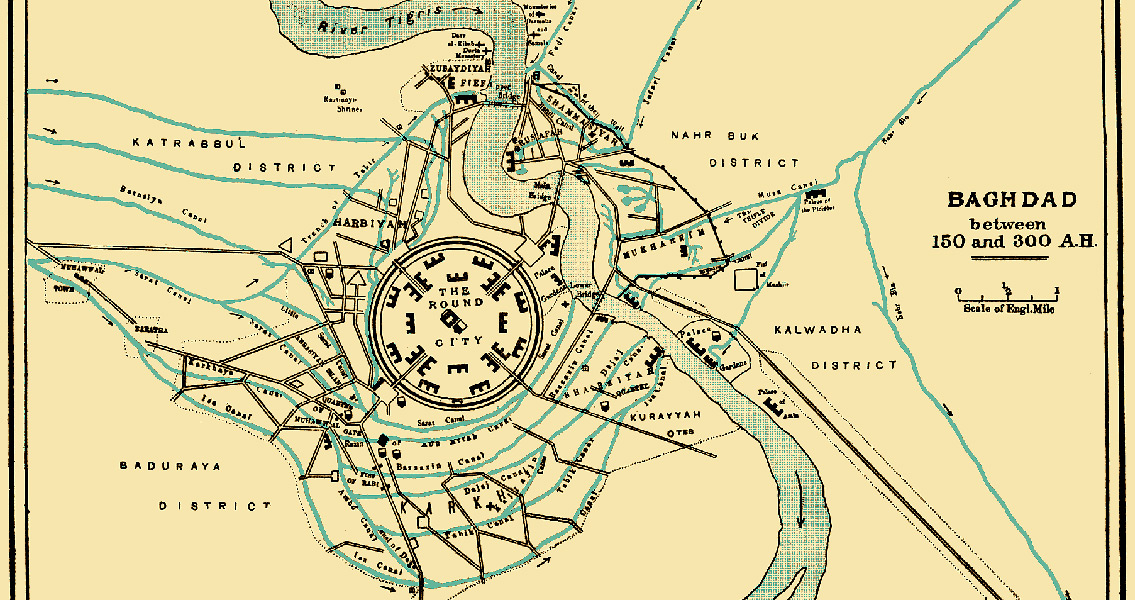
Jewish History. “Yet these narratives can often be dismantled when the primary sources that support the narrative are revisited.” Interestingly, Ackerman-Lieberman argues that the supposed move away from an agricultural economy towards a more urbanised, artisan way of life was merely a coincidence. Migration to the cities, he argues, simply coincided with the fact that agriculture was no longer the main source of income for Jews in the Middle East in the eighth and ninth centuries. Ackerman-Lieberman suggests that urbanisation was not the only process occurring in this period. Not only were urban centres growing, but rural areas were also. “Burgeoning irrigational infrastructure and the expansion of river transport led to intensified rural settlement akin to that seen in the urban areas,” he argued. It appears that there would have been little economic incentive for rural Jews to head towards urban centres, as agriculture was still a profitable business along the Tigris and Euphrates. Importantly, for the vast majority of Jewish farmers, it was not especially profitable for them to up sticks and change their means of generating an income. The impoverished majority of Jewish tenant farmers, Ackerman-Lieberman argues, simply lacked the financial capital to become merchants, while wealthier Jews could expand their rural holdings by engulfing smaller farms. One of the central tenets surrounding the supposed Jewish urbanisation is that there are very few mentions of Jews in historical records. Ackerman-Lieberman, however, views this silence in a different way. He argues that the record of Jewish agricultural pursuits is poor not because Jews were not involved in agriculture, but because what survives tends to be legal and mercantile letters, not agricultural correspondence. Also, much agricultural and commercial law had been settled before the Abbasids came to power. As a result, what legal records there are do not refer to numerous Jewish farmers in the law reports. “Without clearer evidence that the bulk of the Jewish population moved to the garrison cities in the eighth century,” Ackerman-Lieberman concluded, “the very reasonable explanation that Jews continued in their agricultural pursuits should be maintained.” It is important to note that Ackerman-Lieberman does not provide a clear explanation of what did happen to the Jewish population under the Abbasid caliphate. What he does do, however, is critically engage with an established narrative in Jewish history and effectively call into question many long-held assumptions. For more information: www.link.springer.com Image courtesy of Wikimedia Commons user: Andres rojas22]]>

Categories
Breaking News

New Research on Highland Identity

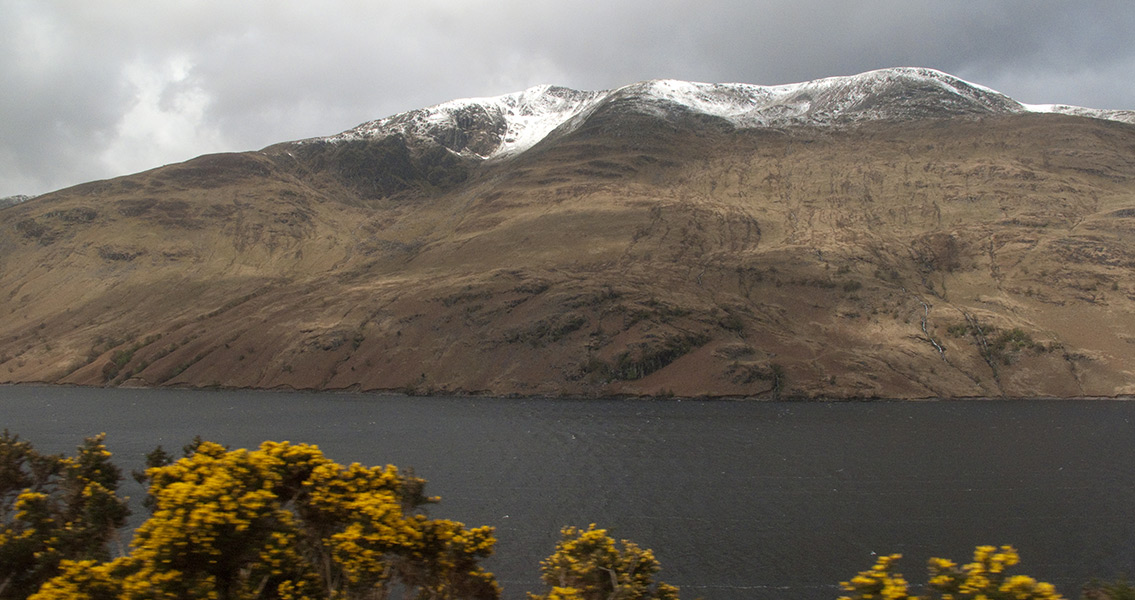
Historical Research. Initially focused on the history of the Celtic people, philology and culture, the magazine became devoted to securing a solution to the Highland land question. In the late nineteenth century, Britain was becoming an industrial behemoth on the back of the spoils of empire. Most imperial profits ended up in the hands of lords and businessmen who used their wealth to buy large estates. Stewart notes that James Matheson, a Scottish trader with Mackintosh & Co., bought the entire Isle of Lewis when he returned from China in 1844. On Lewis, he built Lews castle, near Stornoway. In contrast, however, the majority of Highlanders had a very different experience of the period. Recurrent famine and land clearances inflicted mass suffering on the population and led to widespread emigration from the Highlands. Importantly, the Celtic Magazine was concerned with the plight of Highlanders. Implicit in the magazine’s conception of an idealised Celtic Highland past pre 1745, Stewart argues that the magazine internalised the racial stereotypes of Highlanders made by Lowlanders and the English. By promoting Celticism as an ideal, rather than having negative connotations, the Celtic Magazine gave a voice to the Highlanders by setting them apart from the others. It must be noted that the idea of a ‘Celt’ is very problematic. What it means, precisely, is hotly debated. Often, the Celts are understood to have been a European tribe that swept into Britain before the Roman conquests. Subsequently, the Celts were pushed to the fringes of the British isles by invasions from the continent. Stewart does not address this complicated history of precisely what a ‘Celt’ was. Rather, he is examining what a Celtic identity came to mean for the Highland population, expressed through a popular magazine. Celtic identity was a means of giving voice to a large group of Scottish people who were distinct from the wealthier and more vociferous Lowlanders. For more information: www.onlinelibrary.wiley.com Image courtesy of Wikimedia Commons user: Flickr upload bot]]>