Categories
Breaking News

The History of the Secret Ballot
Historical Research. Media coverage of elections the world over is replete with images of electors queuing up to vote and papers spilling from ballot boxes, ready to be counted. No one ever speaks of an open voting system any more, the secret ballot paper is seen as an essential hallmark of a free election system. Remarkably, given the iconic status of the ballot paper, Crook and Crook note, questions surrounding the history of the ballot paper have not been adequately explored. In the eighteenth century, Crook and Crook wrote, “the dominant method of electing borough personnel involved those assembled indicating their preference either orally – by casting their ‘voice’ – or by raising a hand, normally in order of social rank.” Importantly, this earlier electoral system was in a very different voting culture. Early modern elections proceeded relatively consensually and the nomination process in early modern Britain was often uncontested, meaning that polling was often unnecessary. As the number of enfranchised individuals grew however, oral voting or a show of hands became a troublesome system. As elections became more hotly contested, with several candidates vying for votes, another system was required; this is where the invention of the paper ballot had its inception. “Put simply, [the paper ballot] was a means of managing elections that had proved, or might prove, unduly fractious and where the hostility of competing factions was such as to render open voting neither practical nor decisive”, Crook and Crook explain. In the early nineteenth century, elections became more competitive. The growth of party-political groups in competition was slowly institutionalised. This process placed a premium on numerical precision, something which hands or voices did not have. In this context, ballot papers – particularly printed ones – had an advantage. As elections became more complicated, so the propensity for corruption increased. “Corruption crept in at each and every point,” the pair explain. Registration fraud, repeated voting, rejection of papers, or simple maladministration (such as ‘misplacing’ boxes of ballots) took place. Secret ballots, properly administered, was one solution to these issues. Secrecy promised quicker, quieter elections which were less corrupt. This principle of the secret ballot survives to this very day. As people in the United Kingdom head to the polls on 7th May, they will indicate their preference on a secret paper ballot. It is important to remember that this simple piece of paper, which many of us take for granted, has a long and complicated history. For more information: www.onlinelibrary.wiley.com Image courtesy of Wikimedia Commons user: Russavia]]>

Categories
Breaking News

Cahokia Brought Down By Floods

Proceedings of the National Academy of Sciences, presents new ideas to explore. “We are not arguing against the role of drought in Cahokia’s decline but this presents another piece of information,” says Samuel Munoz, currently writing his Ph.D. in geography and the study’s lead author. The research also provides new information about the history of the Mississippi River, a waterway known to flood regularly, which may be useful now. “By understanding the river better, we can hopefully offer new information to those concerned about the exposure of current populations to floods”, explains Williams, a professor of geography. By using radiocarbon dating techniques of plant remains and charcoal within the core samples, Munoz and Williams have established ‘fingerprints’ of major flood events from the last 2,000 years. Following a 300-year-period of numerous floods, the centuries after 600 CE witnessed an increasingly arid climate. Archaeological evidence from this period reveals that human activity increased in the floodplain as people moved into the area and farmed more intensively. Around 1200, however, population began to decline. “There are shifts in craft production, house size and shape, and other signals in material production that indicate political, social and economic changes that may be associated with social unrest,” explained Sissel Schroeder, a UW-Madison professor of anthropology who aided Munoz and Williams. Cahokia fractured and the population began to migrate away from the floodplain. By 1400, the site was deserted. Many factors obviously contributed to Cahokia’s rise and eventual decline. A period of gradual aridification followed by increased flood activity provides a means of understanding how past societies, as well as modern ones, are dependent on the climate. Sudden shifts in environmental conditions can prove disastrous for communities, as happened at Cahokia. For more information: www.pnas.org Image courtesy of Wikimedia Commons user: Innotata]]>

Categories
Breaking News

Bronze Age Kazakhstanis Were Skilled Farmers

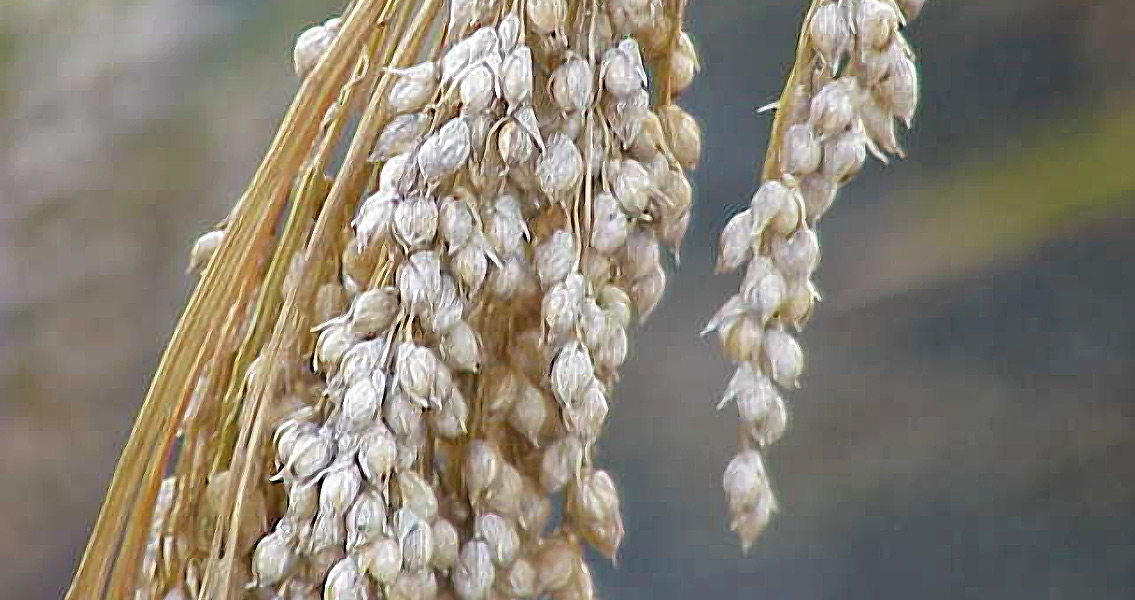
Panicum miliaceum and Setaria italica),” the team wrote in their report, published in the upcoming edition of the Journal of Archaeological Science. Intriguingly, there was very little evidence of C4 plants in the diets of individuals from Bronze Age northern Kazakhstan. In later periods, C4 plants were a major component in human diets across the region, but at this early stage – around 1,800 BCE – it appears that southern Kazakhstan was populated by agricultural societies. “The wide variety of stable isotope results, both within and between contemporary sites from the southern regions of Kazakhstan, indicates a diversity of food choice,” the team explained. The team’s research presents the earliest directly dated isotopic analysis of millet consumption outside of China. Their research suggests that millet was a significant dietary component for a substantial number of individuals in Bronze Age southern Kazakhstan, indeed, millet made up such a large proportion of their diet that it was detectable in analysis of human bone collagen. The evidence for substantial millet consumption in southern Kazakhstan – particularly when taken with the absence of the crop in the north during the same period – suggests that this region may have been the route for the spread of millet crops from China. This hypothesis, the team notes, warrants further archaeobotanical research. What the team have revealed conclusively is the great variation in human diet. Southern Kazakhstan during the Bronze Age had a great many different sources of food which has left an indelible mark in the bones of people who inhabited the area. The evidence of millet also implies that Bronze Age southern Kazakhstan could have been a very important area between China and further West, meaning that the region could have been the first area to properly cultivate the crop outside of China. For more information: www.sciencedirect.com Image courtesy of Wikimedia Commons user: Kurt Stüber]]>

Categories
Breaking News

Ancient Cities Provide A Warning for the Modern World

GSA Today, the authors argue that pre-Republican Rome was a smart city. During this period, Rome’s expansion did not substantially alter the geological features of the area. Natural resources around Rome were managed in order to minimise the environmental damage from over-exploitation. During the pre-Republican era, Rome was an agricultural economy. The small hilltops around the river Tiber’s alluvial plain created remarkably fertile soils, suitable for farming. Access to the river meant that trading of agricultural products was remarkably easy for Romans. Farms were numerous and the city of Rome was self-sufficient. In the same period, Naples had fewer natural resources and was also exposed to more geological vulnerabilities than Rome. As it was based within a naturally-defensible bay, Naples had an economy dependent on sea trade. Naples is also surrounded by very rugged geomorphologic terrain, meaning that the potential for agricultural expansion and economic diversification was limited. Naples, unable to expand outwardly, grew in a vertical manner. The natural marine terraces which bordered the coast became the foundations for Naples’ expansion. Geomorphology, de Rita and Häuber argue, played a key role in constraining Naples’ importance for the Roman Empire. “Geology was a major contributor to the fortune of Rome, which had more resources and reduced risks relative to Naples”, the pair wrote. “Rome could also safely expand toward the Alban Hills area because of the plateau geomorphology, which further provided an easy path for the construction of the aqueducts. The city could also develop agricultural practices that, until Republican times, ensured its self-sustenance.” As time passed, however, rapid urban expansion and population growth led to the over-exploitation of resources. Both cities became unstable and disasters occurred as a result of natural processes, such as flooding and earthquakes. “…many past examples have shown how the indiscriminate use of technology in response to a natural hazard–induced risk, instead of generating security, can lead to higher risk and danger,” the article explains. Häuber and de Rita’s work offers a stark warning for modern cities. Expansion must be managed carefully, allowing for urban growth without out-stripping resources. If we do not heed these warnings, we risk our cities being increasingly vulnerable to natural disasters. For more information: www.geosociety.org Image courtesy of Wikimedia Commons user: Markus Bernet]]>

Categories
Breaking News

Ancient Americans Cultivated Clams

www.saa.publisher.ingentaconnect.com Image courtesy of Wikimedia Commons user: Rotatebot]]>

Categories
Breaking News

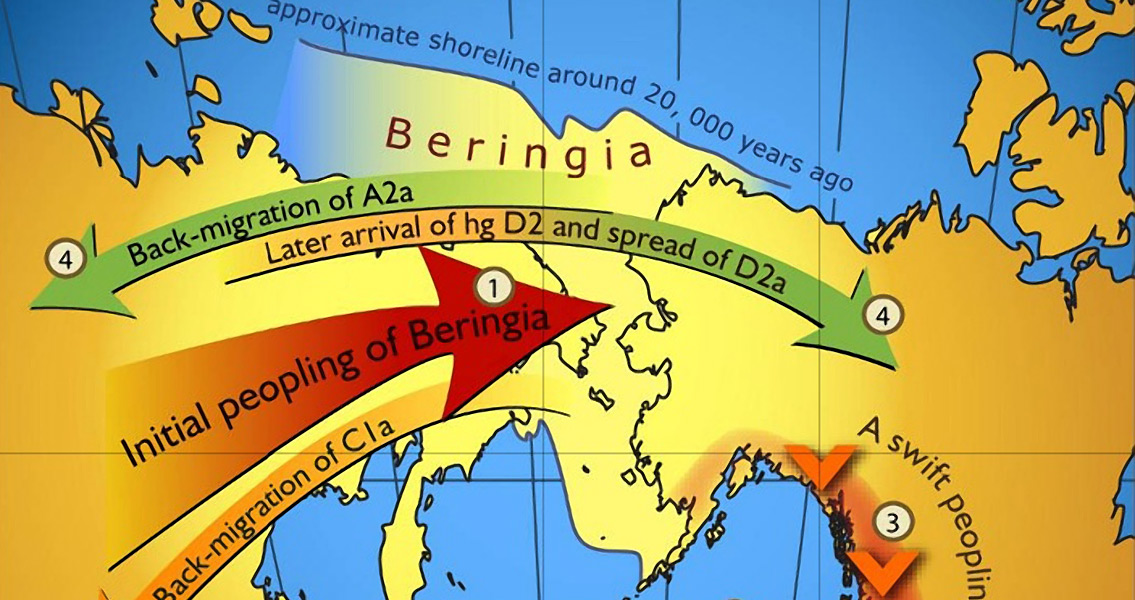
Theory Of How America Became Inhabited Challenged

www.sciencedirect.com Image courtesy of Wikimedia Commons user: OgreBot]]>

Categories
Breaking News

Bison-Hunting Shaped Native American Society

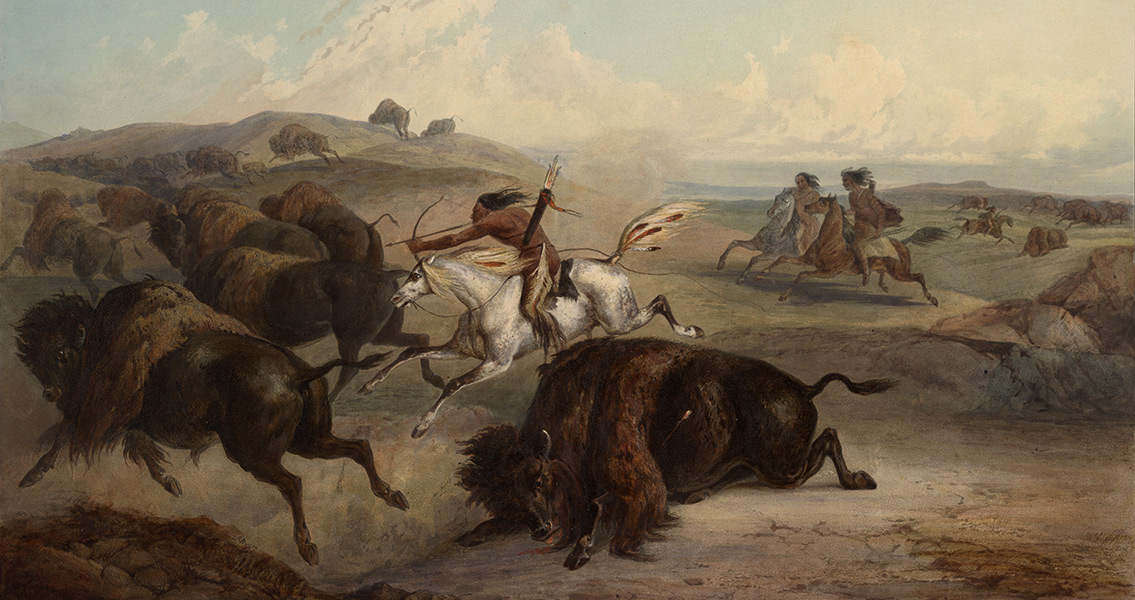
Early American Studies, reveals how the Illinois’ adaptation to the distinctive prairie environment influenced their history. “Although most historians have ignored the bison as a factor in the history of the Illinois and their region, the animals were a central fact of life there,” Morrissey explained. The traditional food eaten by Algonquians near the Great Lakes was beaver. On the Plains of the Midwest, however, beaver were scarce and of low nutritional quality. Bison, on the other hand, were plentiful. Bison hunting gave the Illinois new opportunities and shaped Illinois society in fundamental ways. “A unique economy, pedestrian (i.e., non-equestrian) bison hunting required two things: a large population and much labor,” Morrissey writes. “Because bison could be effectively hunted and processed only in large groups, committing to the bison required (but also enabled) larger villages.” Also, the processing stage was vitally important in the bison economy. As a result, the Illinois needed specialist workers to preserve the meat, render the tallow and tan the hides, Morrissey explains. “The Illinois conducted their bison economy with a gendered division of labor in which women performed the difficult tasks of hide and meat processing, this meant that the Illinois needed women.” The bison economy’s reliance on women for curing meat and creating hides fueled slave raids by the Illinois. In search of new female workers, the Illinois raided their nearby neighbours and enemies, creating a condition of continual war. Morrissey explained that “the Illinois were creating a cycle: more bison exploitation encouraged more raiding, and more violence, and larger settlements and . . . more bison.” When Native Americans came into contact with European explorers, the Illinois fought particularly intense wars. Morrissey argues that the effects of European colonisation on the Illinois cannot be understood independently of their bison economy, such was their dependence on these animals. European diseases began to hit Illinois villages in the 1670s and 1680s when European missionaries and fur traders, especially those specialising in bison hide trading, brought microbes and viruses. Diseases began to affect the Illinois significantly in the early contact period. These diseases put extra strain on the Illinois bison economy. Disease amongst the Illinois led to a shortage in specialist workers. This, in turn, led to increased slave raids and war, stretching the Illinois population to breaking point. “What seems clear is that the bison economy and the colonial changes combined to produce devastation for the Illinois in ways that were unique and particularly intense,” Morrissey argues. For more information: www.muse.jhu.edu Image courtesy of Wikimedia Commons user: Jan Arkesteijn]]>

Categories
Breaking News

Early Medieval States' Origins: An Overview

Categories
Breaking News

Archaeological Lessons for Humanitarian Relief Organisations

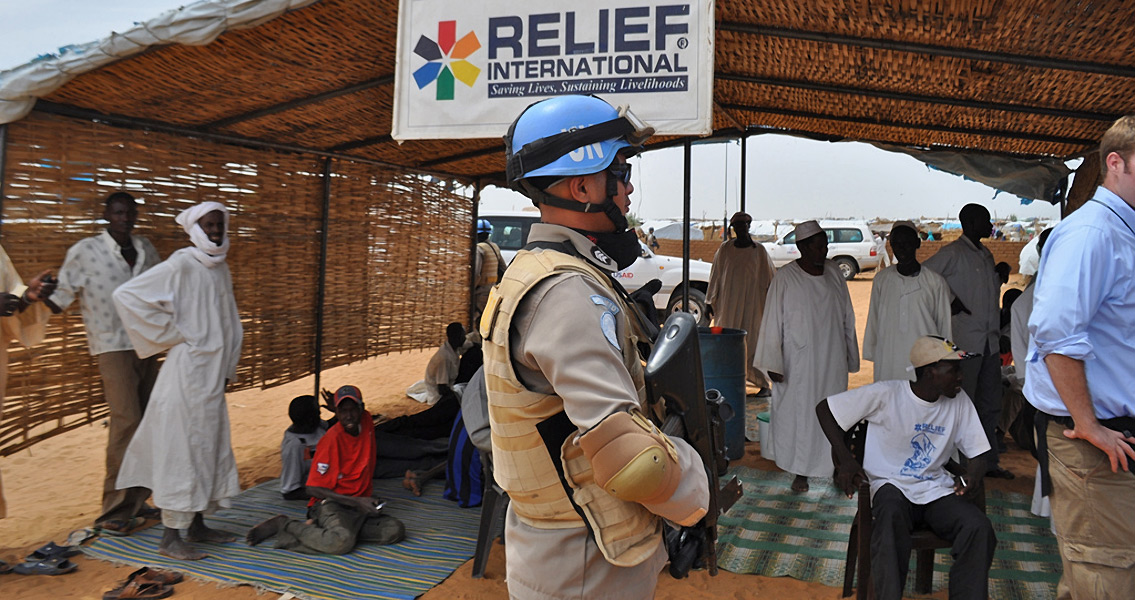
Human Ecology. Samson used data gathered from 150 excavated structures at 16 sites in the Greater Antilles, Turks and Caicos, Virgin Islands and northern Lesser Antilles. Also examined were sixteenth-century sketches and recollections of house structures by Spanish conquistadors in Haiti, the Dominican Republic, the Bahamas and Cuba. In all, these buildings spanned a period of history between 1,400 and 450 years ago. Samson argues that a distinctive ‘Caribbean architectural mode’ emerged around 1,400 years ago. Local inhabitants kept using the basic features of this style of building until European colonisation. The mode served as an effective method for meeting the needs of the community, dealing with cyclical environmental hazards and longer-term trends of historical change. Importantly, this was not a one-size-fits-all template for building structures. Carefully-designed structures were evenly anchored to the ground. High-pitched roofs and reinforced facades tended to be built near the shore, where storms were most violent. One particular site, the settlement of El Cabo in the Dominican Republic, had circular houses measuring between 6.5 and 10 metres in diameter. These structures were very effective at dealing with the winds, rain and heat of the Caribbean. Exposure to wind was reduced by locating houses in an irregular pattern, windbreaks and partitions were also used, ensuring wind tunnels did not form. These houses lasted for centuries, being rebuilt and repaired as needed, with the essential characteristics of the buildings remaining the same. Samson’s study reveals how historical communities coped with severe natural disasters. Also, Samson believes her work could shed light on how modern-day communities can be better supported by humanitarian efforts to rebuild homes. If a dialogue is encouraged between different disciplines dealing with housing, a greater appreciation of historical shelter processes can be gained. Every area has its own unique architectural history which could provide clues for how best to respond to disasters in that specific location. For more information: www.link.springer.com Image courtesy of Wikimedia Commons user: Boing-boing]]>

Categories
Breaking News

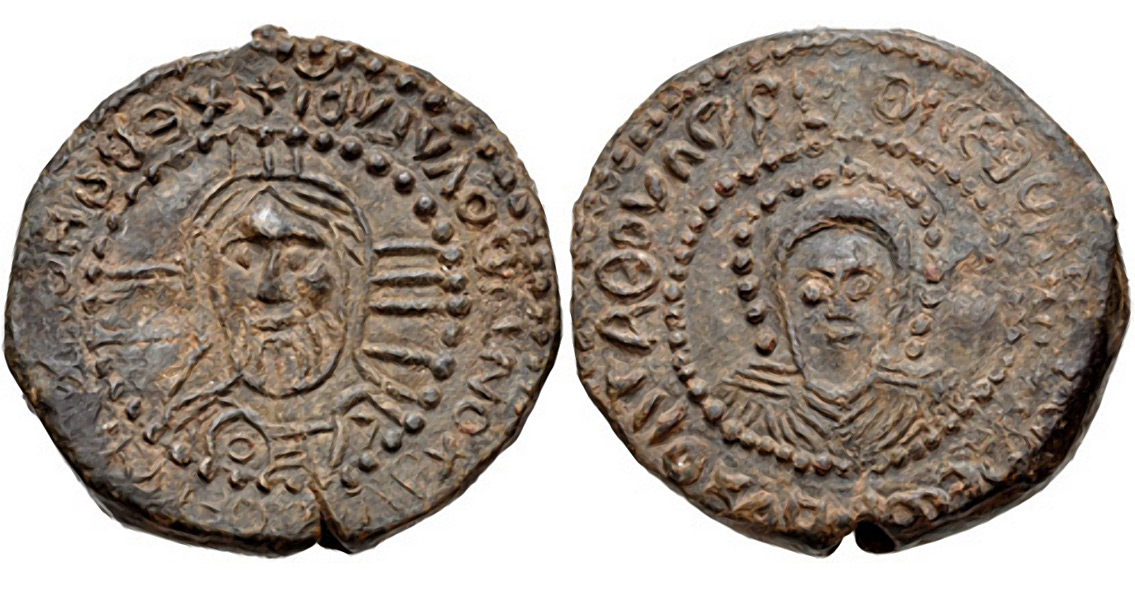
Byzantine Diplomacy Explored

History Compass, Ian Mladjov, from the Department of History, Bowling Green State University, Ohio, USA, noted that “when it comes to diplomatic relations, the phrase ‘too close for comfort’ perfectly describes the relationship between the medieval Byzantine and Bulgarian states in the Balkan peninsula.” The Byzantine Empire was the predominantly Greek-speaking remains of the Eastern Roman Empire. Its citizens referred to themselves as ‘Romans’ and the ruler retained the title of ‘Emperor’. Mladjov argues that the conflict between Bulgaria and the Byzantine Empire was about more than simple territory or wealth. The bloody conflict was rooted in prestige. Interestingly, the siege of Constantinople in 912 did not end in an agreed peace. At a ceremony between the Patriarch of Constantinople and Simeon, the Bulgarian king was placated and given a crown, although not the imperial title. Simeon returned home after the meeting, laden with gifts, but with no formal peace treaty being signed. After returning to Bulgaria, Simeon began using the imperial title and, curiously, even styled himself ‘Emperor of the Romans.’ In all contemporary sources, it is made very clear that Simeon was never offered the title of emperor. In fact, it appears that Byzantine rulers went to great lengths to preserve the Byzantine emperor’s exclusive monopoly on the Roman imperial title. “For a long time, the significance and importance of [this] event were overlooked,” Mladjov explains. Much more attention has been paid to subsequent events, particularly Simeon’s adoption of the imperial title. For Mladjov, the crowning of Simeon by the Patriarch is of crucial importance, revealing a tremendous amount of information about how the Byzantine Empire conducted itself with its neighbours. “Clearly, the form a crown took was less important than the coronation itself,” Mladjov writes. “Whatever the idiosyncrasies of Simeon’s coronation by Patriarch Nicholas in 913, it must have been considered acceptable to him. The implications of our sources are clear: Simeon had been recognized as emperor, apparently only of his own people, by the Byzantine court and left for home in peace.” Simeon seems to have sought parity with the Byzantine Empire. Mladjov argues that Simeon identified recognition as fellow emperor as a means to redress the situation where the Byzantines claimed authority over Bulgaria. Diplomatic relations in the medieval world were rife with states posturing for status. The Byzantine Empire, in particular, wanted to maintain an aura of superiority to other states. As this episode shows, the Empire’s neighbours desired parity and respect from the Byzantines. Sometimes, this was expressed in demands for recognition as fellow emperors. The Byzantine Empire’s response to this was impressively nuanced, they crowned Simeon I as emperor and of the same rank as the Byzantine emperor. Importantly, however, Byzantium never conceded the title of emperor of the Romans; instead they crowned Simeon the emperor of his own, non-Roman people. For more information: www,onlinelibrary.wiley.com Image courtesy of Wikimedia Commons user: Cplakidas ]]>