Categories
Breaking News

Ancient Chinese Artefact Found in Georgia

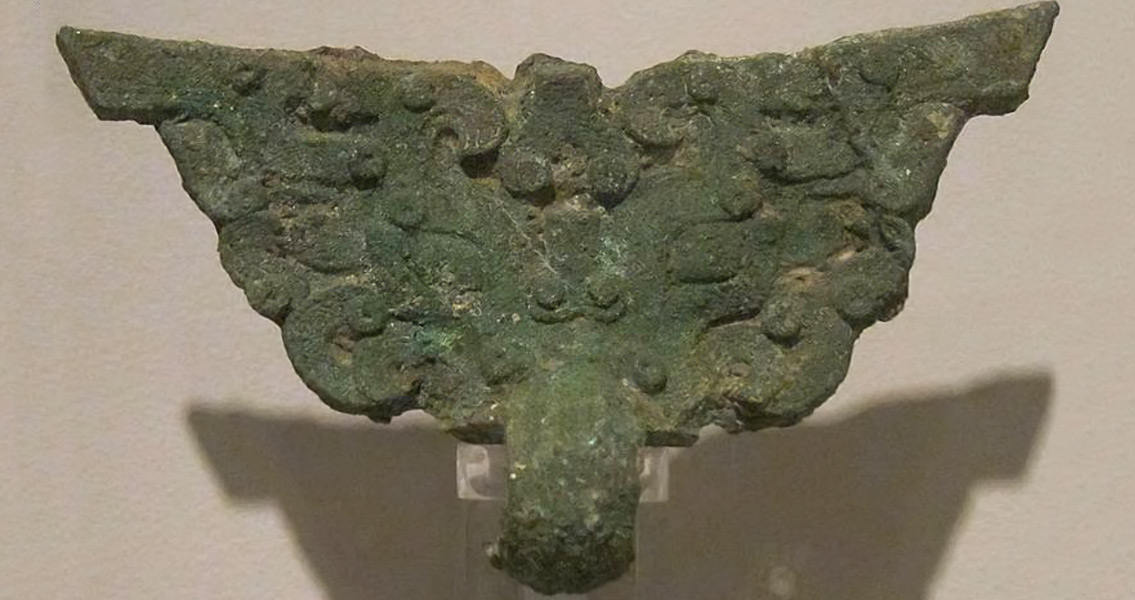
Ancient Origins, shows that the artefact is very old, even though researchers still have to find a way of reliably dating it using radiocarbon or other methods. So far, the surest sign pointing to it being a truly ancient artefact are the symbols decorating it and its very shape. The shape and the symbols appear in different Chinese dynasties spanning a period between 2070 BCE and 256 BCE. There is a dragon figure along the blade, for instance, which was common during the rule of the Shang dynasty, between 1600 and 1046 BCE, but had first appeared during the previous dynasty, Xia, which dominated China between 2700 and 1600 BCE, and was still in use in the dynastic period that followed Shang, the Zhou dynasty (1046 to 256 BCE). According to one of the researchers working on the sword, Siu-Leung Lee, the grotesque mask found on the handle and on the guard of the sword, called Taotie, originates even earlier, in the time of the Liangzhu culture which thrived between 3400 and 2250 BCE. It is, however, most common in artefacts from the Shang and Zhou dynasties. What makes the find even more fascinating is the similarity between the Taotie symbol and a symbol used by the Mesoamerican Olmec culture. This is not the first example of this similarity. Parallels have been drawn between ancient Chinese and Olmec mythology and symbology for a hundred years now. The Olmec culture is actually believed to have originated around 1500 BCE, soon after the rise of the Shang dynasty in China. Some scientists, according to Haskell, believe the Chinese culture had a direct and formative influence over the Olmec civilisation which spread over later cultures in the region, including the Mayans. One such similarity regards jade, which during the Shang dynasty was considered to be more valuable than gold, Haskell notes, both in China and among the Olmecs. The Mesoamerican culture learned how to work jade during its Middle Formative period, between 900 and 300 BCE, a mastery that may have been revealed to them by the Chinese. The author actually compares the extent of Chinese influence on the Mesoamerican culture with the effect of the European conquest of the region in the sixteenth century. In answer to the question how the votive object reached Georgia, Haskell supplies an explanation connected to the travelling habits of the Olmecs and other cultures around the Gulf of Mexico. The cultural influence of the Olmecs spread both into South and North America through neighbourly exchanges with other local cultures. They were also skilled seamen, travelling in dugout-log canoes capable of long journeys, so it is possible that they spread their culture during these journeys as well. it remains to be established, if possible, whether the votive sword was left by Chinese travelers to Georgia or was part of the exchange between the Asian culture and the Olmecs. Image courtesy of Wikimedia Commons user: Hiart]]>

Categories
Breaking News

Kennewick Man a Native American, DNA Research Says

www.nature.com Image courtesy of Wikimedia Commons user: LavaBaron]]>

Categories
News

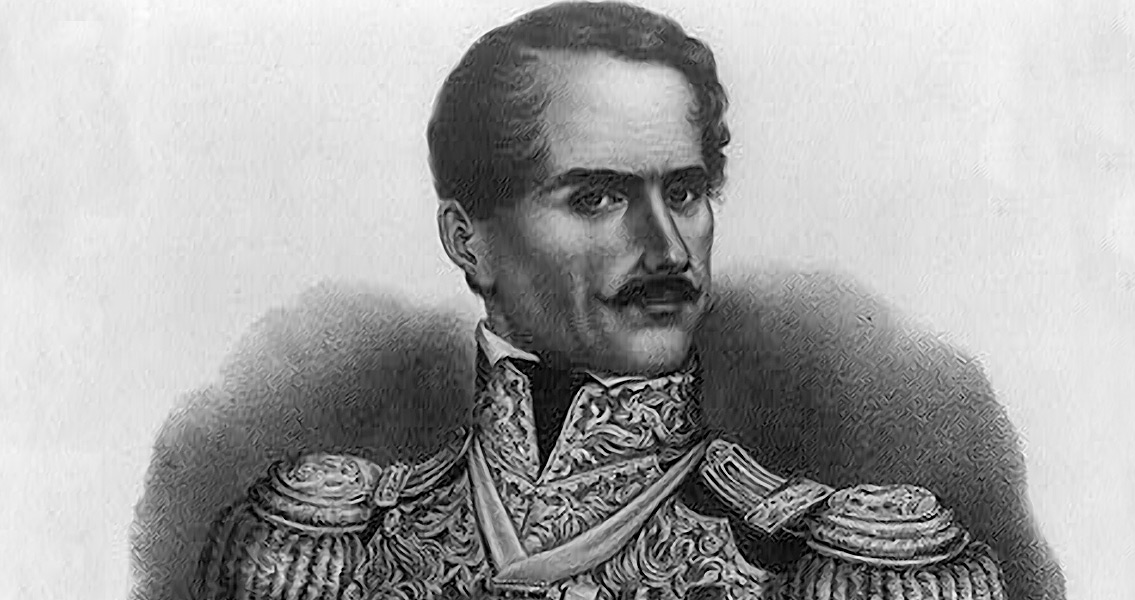
Antonio Lopez de Santa Anna Dies

Categories
Breaking News

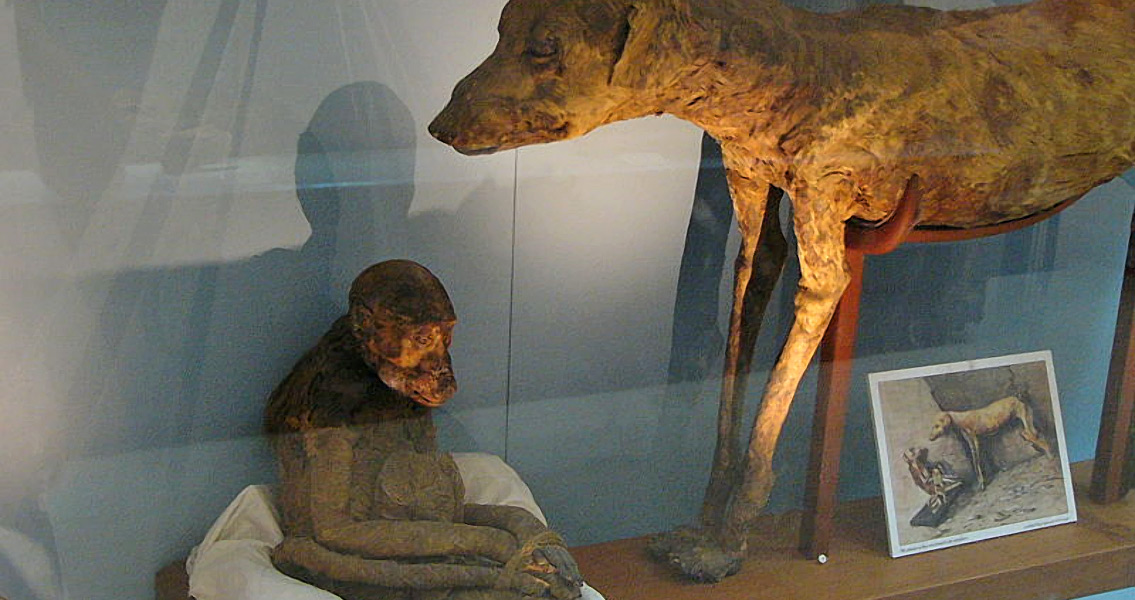
Huge Dog Tomb Unearthed in Egypt

remains at all in the bandages. Team leader Lidija McKnight explained that this could have meant only some soft parts of the animals were mummified, without bones, because every part of the animal was considered sacred enough to qualify as a sacrificial offering. For more information: “The Catacombs of Anubis at North Saqqara” Image courtesy of Wikimedia Commons user: Namiac]]>

Categories
Breaking News

Hieroglyphs on Ancient Maya Sarcophagus Deciphered

Categories
News

The Boxer Rebellion

Categories
Breaking News

Did Ebola First Strike In Ancient Greece?

Live Science reports. The first official record of an Ebola outbreak in humans is from 1976, when the disease struck the Democratic Republic of Congo. Yet the Plague of Athens, also called by scientists the Thucydides syndrome because the ancient historian himself contracted it and later recorded the events from the time, had pretty similar symptoms to the viral disease. These included headache, fever, fatigue, stomach pain and pains in the joints as well as severe vomiting, diarrhea, and reddening of the eyes. According to Thucydides, some of the affected also experienced coughs, rashes, seizure, and even loss of digits, perhaps due to tissue necrosis. The illness that struck ancient Greece also caused severe dehydration. Kazanjian is basing his suggestion not only on the similarity of symptoms, however. Based on Thucydides records, the Plague of Athens originated in sub-Saharan Africa, a region the ancient historian and his contemporaries called Aethiopia and also the region where modern outbreaks of Ebola have occurred, the researcher told Live Science. He believes the virus was spread by Africans who had traveled to Greece in search of employment as servants and farmers. In modern times, it has been established that two species of fruit bats native to sub-Saharan Africa are carriers of the disease and since bat soup is a delicacy in the region, there has been a suggestion that this is the way in which the zoonosis passed from the animals to people. The disease in Athens, Thucydides wrote, killed the sufferers within seven to nine days (as Ebola typically does), and only a minority survived. What’s more, physicians and those who attended to the sick were among the first to die, which is true of modern Ebola outbreaks, although this has also been true of other highly infectious diseases through the ages. One further parallel between the Plague of Athens and modern Ebola outbreaks is how fear aggravated the sufferers’ condition and also helped the spread of the disease as people crowded together. Kazanjian writes in his paper that Thucydides’ account of the period provides a historical perspective to how communities react to the outbreak today, often making it more difficult for medical personnel and volunteers to control the outbreak. The latest outbreak of the virus in Africa took 11,000 lives, according to figures from the World Health Organisation, out of around 27,000 people who contracted it. According to WHO records this was the largest Ebola outbreak in history. The Plague of Athens struck the city state during its war with Sparta, the Peloponnesian War, Ancient Origins notes, leading to the death of about a quarter of its population. The cause of the outbreak has been subject to much debate, with suggestions ranging from smallpox and typhus, to bubonic plague and anthrax. Kazanjian himself does not insist that his suggestion should end the debate, admitting the cause of the Plague of Athens “remains elusive.” For more information: “Ebola in Antiquity?” Image courtesy of Wikimedia Commons user: Thomas W. Geisbert, Boston University School of Medicine]]>

Categories
Breaking News

New Excavation Slated in the Shadow of Stonehenge

Categories
News

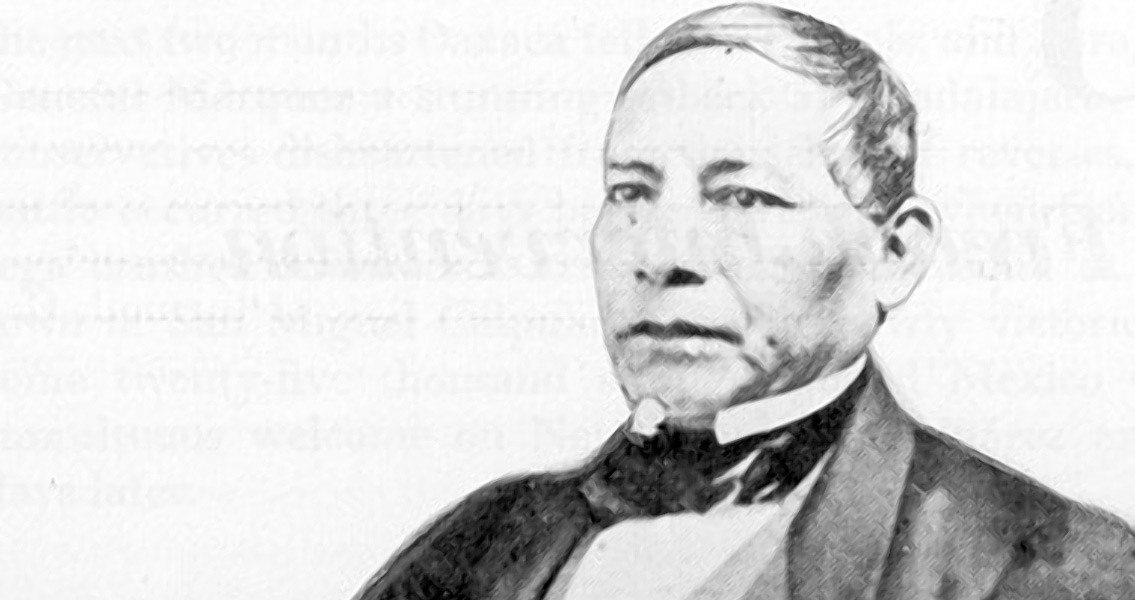
Mexican Emperor Ferdinand Maximilian Executed

Categories
Breaking News

Earliest Evidence of Manmade Pollution Found

Homo erectus, but had similarities with both Homo sapiens and Neanderthals, perhaps providing further evidence of interbreeding among hominin species. Image courtesy of Wikimedia Commons user: 66AVI]]>