Categories
The Homestead Act

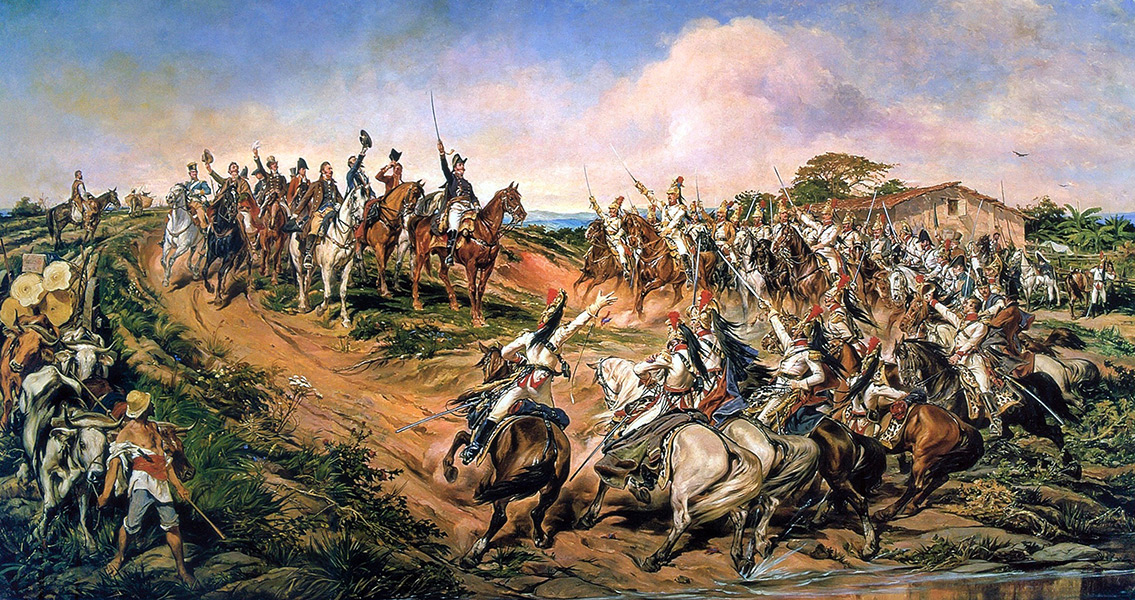
Journal of Global History. “Latin America, by virtue of its radically different history of colonialism from much of the ‘Third World’, resists many of the narratives of either Cold War historiography or postcolonial theory that have emerged from considerations of these regions.” Colonialism in Latin America happened earlier, endured longer, and became much more deeply embedded in society in comparison to other colonial countries. Latin America’s post-colonial movements did not, therefore, lead to the same anti-colonial nationalism which typifies independence movements in Africa and Asia. Brazilians were not averse to being considered ‘Western’, Chakravati argues, but they did not wish to be considered peripheral to the West. By studying several prominent Brazilian intellectuals, Chakravati has revealed that these thinkers examined Indian independence. “Despite their differences in personality, career, and ethical and political commitments, our Brazilian protagonists demonstrated,” Chakravati argues “[a] shared starting point of a self-identification with the West, including its imperial heritage, complicated by their own position as postcolonial figures from the global periphery.” By examining India’s independence, Brazil’s intellectuals saw a troubling mirror-image of their own peripheral position with regard to the West. Following independence, India was of less importance to the West as wide-ranging reforms decreased the profits foreign investors could make. By nationalising heavy industries such as steel, aviation, shipping, electricity and mining, India aligned itself very clearly as a post-colonial nation. In Brazil’s case, the newly-independent country did not oppose the colonial powers. Chakravati argues that one particular event shows this very clearly. After gaining independence in 1947, India requested Portugal cede its territories on the subcontinent to India. After more than a decade, India annexed Goa using military force in 1961. In response to this, Brazil – rather than condemning Portugal’s continued colonial policy around the world – declared the matter to be a bilateral issue between India and Portugal. Clearly, therefore, Brazil was attempting to portray itself as a pro-Western, independent nation. Chakravati has effectively shown that post-colonial countries should not be treated as entirely passive entities, wrapped up in the wider context of Cold War politics. They were independent nations which located themselves in world politics in nuanced and varied ways. Image courtesy of Wikimedia Commons user: Lmbuga For more information: www.journals.cambridge.org]]>

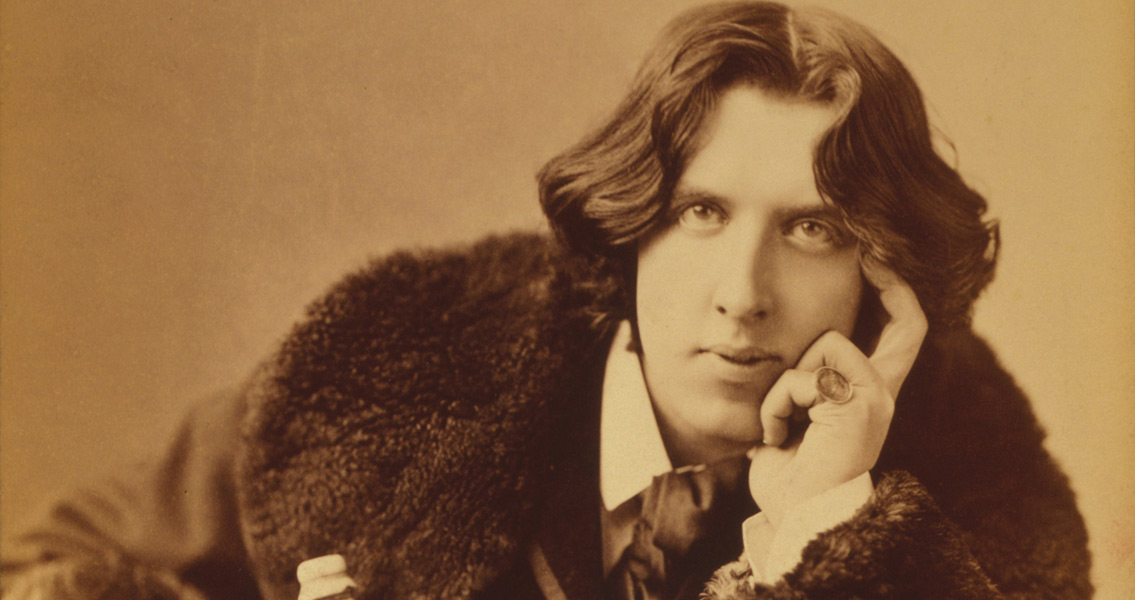
Picture of Dorian Grey, was published in 1891, the same year that he wrote his first play: The Duchess of Padua. In 1895, John Sholto Douglas, 9th Marquess of Queensberry, denounced Wilde as a homosexual. The Marquess suspected that Wilde was in a relationship with his son, Lord Alfred Douglas, and started to publicly label Wilde a sodomite. Famous for the ‘Marquess of Queensbury Rules’ which are the basis of modern boxing, the Marquess was a well known atheist who had been ousted from the House of Lords as a madman for his controversial views. His personal life was also beset with chaos and tragedy. His father and brother had died while he was still in his youth, his first wife had left him because of his adultery, and his second wife had their marriage annulled on the basis that the Marquess’ impotence prevented consummation. Most pertinently, his heir, Lord Drumlanrig, was killed in a shooting accident in 1894. It was speculated at the time that Drumlanrig had been involved in a homosexual relationship with Lord Roseberry, the Liberal Prime Minister, with some even suggesting Drumlanrig had been killed to cover up what would have been an illegal relationship. Wilde responded to the accusations, ignoring the advice of his friends, by suing the Marquess of Queensbury for libel. Obviously, Wilde knew that the Marquess’ accusations were not libelous, but he seems to have assumed that it would be impossible for the claims to be proven. The plan backfired. The Marquess was able to supply evidence that Wilde had solicited twelve boys to commit sodomy between 1892 and 1894, and Wilde withdrew his case. The crown, obliged by the fact that homosexuality was still illegal in England, issued a warrant for Wilde’s arrest on charges of indecency. Some historians have suggested that a major reason Wilde’s case was so aggressively pursued was the lack of aristocratic privilege mentioned above, as well as anti-Irish sentiment in England making him an easy figure to use as an example to others. Preliminary hearings saw Wilde’s chambermaids and a hotel housekeeper state that they had seen young men in Wilde’s bed. A first trial saw Wilde escape conviction after a single juror refused to convict, but the crown opted to prosecute again (some have speculated this was under pressure from the Marquess, who threatened to reveal details of Lord Roseberry’s alleged homosexuality). Wilde was found guilty of gross indecency, and sentenced to two years of hard labour. Revealing the attitude towards homosexuality of the time, the judge remarked at the trial that he felt this punishment, the maximum he could give, was “totally inadequate.” Upon his release, Wilde fled to Paris, a country which had no laws against homosexuality, and tried to resume his writing career. He died of meningitis in 1900. For decades, his writing and plays were largely ignored, revealing the powerful stigma associated with homosexuality in the late nineteenth and early twentieth century. Image courtesy of Wikimedia Commons user: Library of Congress]]>
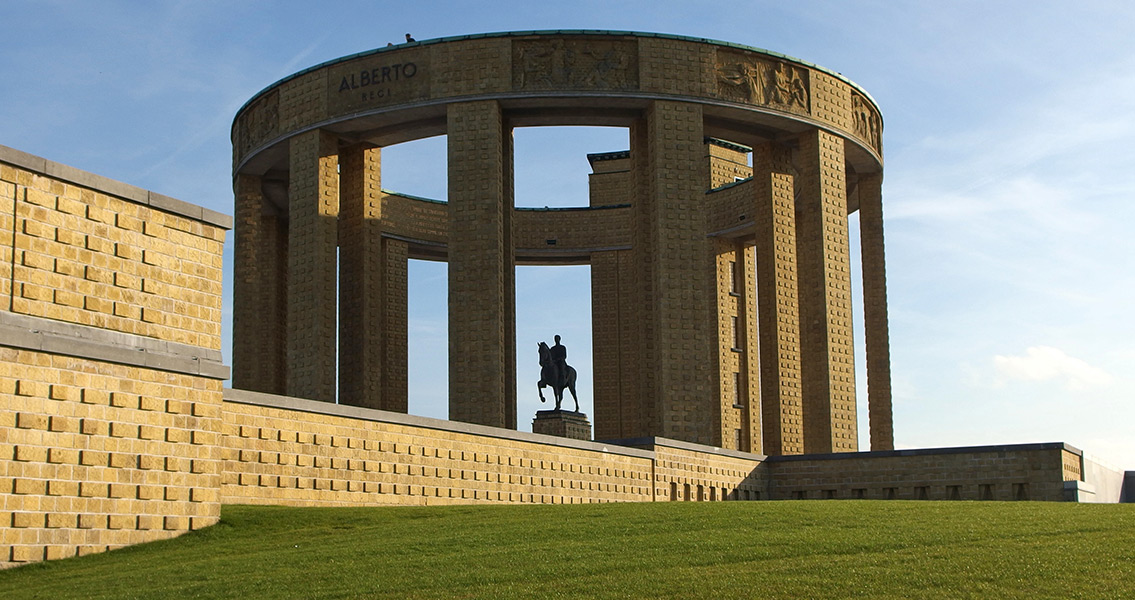
Contemporary European History, has examined how these events can provide an understanding of how ceremonies of mourning reveal the relationship between European monarchies, political culture and the mass media. The deaths of major royal figures attract a lot of attention at the time in the media and subsequently in scholarly work. This academic attention has revealed some very interesting points. “Various authors have already stressed how royal funerals and state funerals can be of relevance in public politics in the modern period through the use of ritual,” de Spiegeleer wrote. One area which hasn’t been studied very much is the response of the public to royal funerals. As a result, public attitudes to royal death have not fully been explored and it is only partially understood how normal people are affected by the demise of members of their royal family. In the context of increasingly nationalised European monarchies – a process which peaked during the First World War – de Spiegeleer notes that “royal funerals became prestigious ceremonial events par excellence and gained structural meaning in this world theatre of performing monarchies and national rivalry.” In the early twentieth century, the Belgian monarchy made concerted efforts to conduct public relation campaigns. In order to survive into the new century, the Belgian royal family attempted to portray itself as the ideal Belgian family, by emphasising its members qualities and accomplishments. Of particular importance was a patriotic dedication to the nation, military successes, efforts to guarantee peace, and various charitable works. On top of this, an image of a harmonious family life was also fostered. “Misery and sudden deaths increase the public appeal of royal families because this suffering brings the royal family closer to the people,” de Spiegeleer explains, as grief is a universal emotion felt by all. “The sudden and accidental nature of their [Albert and Astrid’s] deaths fulfilled the characteristic of royal suffering.” The surge of public sympathy and loyalty towards the royal family after these sudden deaths was unprecedented in Belgian history, de Spiegeleer notes. “The ritual of the funerals became a means to publicly express emotions and collective identities and offered a cathartic pole.” Most importantly, the funerals were covered in the Belgian media, allowing mass participation in essentially private events. “Radio, cinema and the press ensured a wide coverage of the royal deaths and funeral ceremonies to a degree that justifies calling them media events,” de Spiegeleer argues. The public expressions of grief show that the Belgian public felt very close to their monarchy. Whilst expressions of grief were nuanced and varied, the mass outpouring of emotion – facilitated by the media – means that the meaning of these deaths was important in shaping inter-war Belgium. It is interesting to explore this area of history as it allows us to understand mass grief at royal death in our own time. For more information: www.journals.cambridge.org Image courtesy of Wikimedia Commons user: Mark Ahsmann]]>

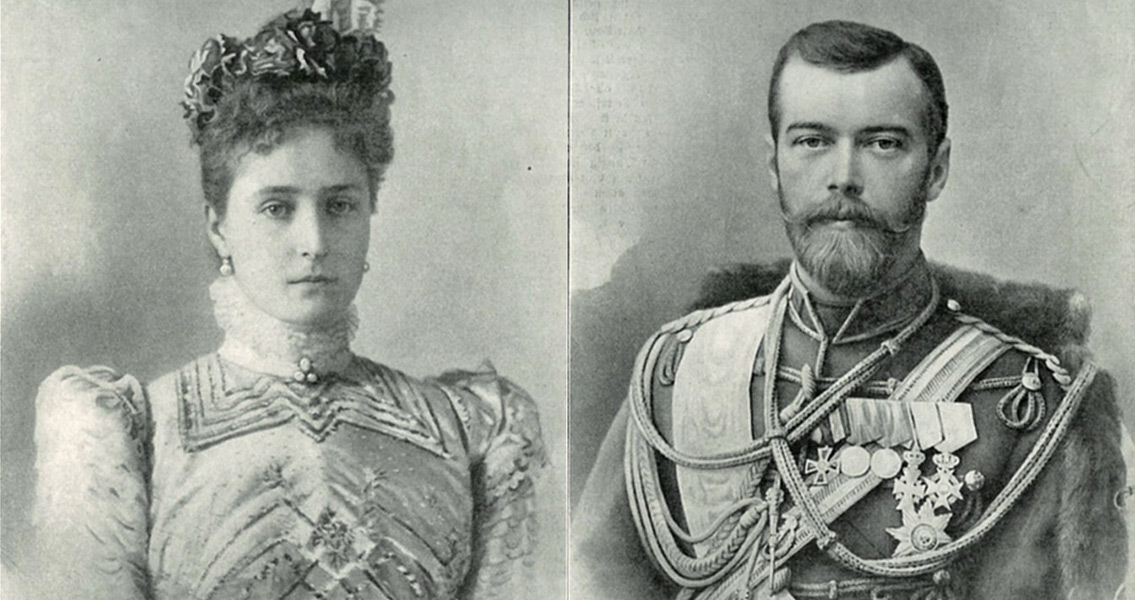
www.past.oxfordjournals.org Image courtesy of Wikimedia Commons user: Soerfm]]>


Related Books

Strange Case of Dr. Jekyll and Mr. Hyde
by Robert Louis Stevenson