Categories
Breaking News

Story of Human Evolution Challenged
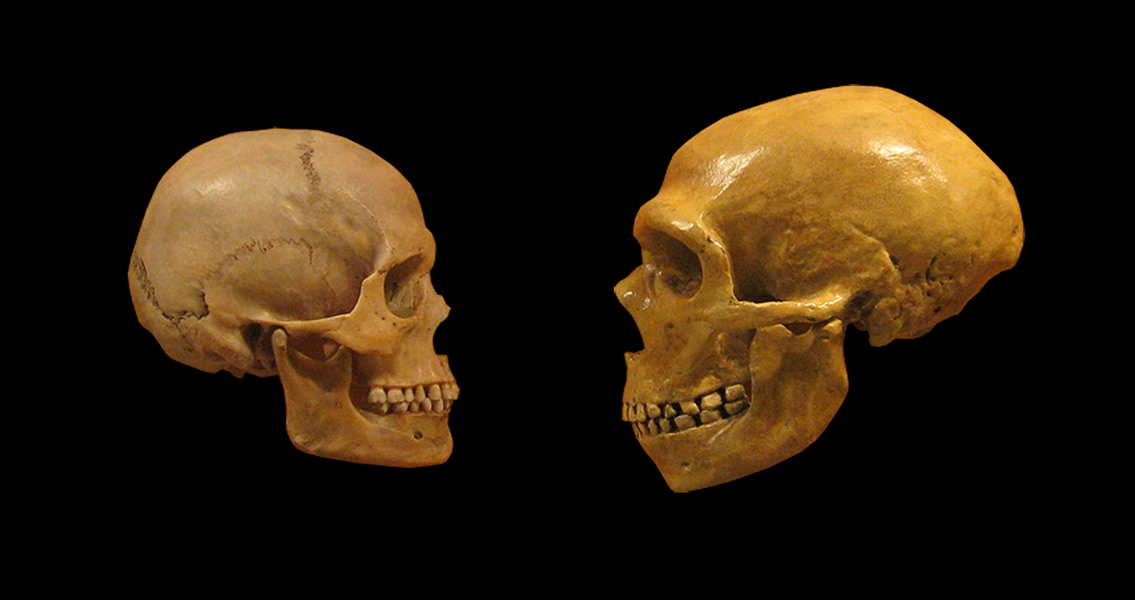
Homo, had evolved from smaller early humans becoming taller, heavier and longer-legged. This process eventually resulted in Homo erectus, which was able to migrate out of Africa and colonise Eurasia. Whilst we know that small-bodied H. erectus, averaging less than five feet tall and weighing under 50 kilograms, were living in southern Europe by 1.77 million years ago, the origin of the larger body size associated with modern humans has been elusive. The paucity of knowledge about the origins of larger members of the Homo genus is primarily a result of a lack of evidence. Previous estimates of body size had been based on well-preserved specimens which were easy to assign a species to. Since these samples are rare and disparate in terms of both space and time, little is known about geographical and chronological variation in the body sizes of the early Homo. A joint study between the Universities of Cambridge and Tübingen has shown that increases in body size occurred thousands of years after H. erectus left Africa; this growth in Homo body sizes primarily took place in the Koobi Fora region in modern Kenya. “The evolution of larger bodies and longer legs can thus no longer be assumed to be the main driving factor behind the earliest excursions of our genus to Eurasia,” said Manuel Will, co-author of the study which has been published in the Journal of Human Evolution. By using tiny fragments of fossil, the team were able to estimate our earliest ancestors’ height and body mass. Their findings, rather surprisingly, indicate a huge diversity in body size; this is particularly surprising as the wide variation we see in humans today was thought to be a relatively recent development. “If someone asked you ‘are modern humans 6 foot tall and 70kg?’ you’d say ‘well some are, but many people aren’t,’ and what we’re starting to show is that this diversification happened really early in human evolution,” said Dr Jay Stock, co-author of the study. Stock and Will are the first scientists in 20 years to compare the body size of humans from between 2.5 and 1.5 million years ago. They are also the first to use fragmentary fossils – many as small as toes, none longer than 5cm – to estimate body sizes. By comparing measurements of fossils from sites in Kenya, Tanzania, South Africa and Georgia, the researchers have revealed substantial regional variation in the size of early humans. Groups who lived in South African caves, for example, were 4.8 feet tall on average. Some of the skeletons found in Kenya’s Koobi Fora region would have stood nearly 6 feet tall, a height comparable to the average height of modern British males. “Basically every textbook on human evolution gives the perspective that one lineage of humans evolved larger bodies before spreading beyond Africa. But the evidence for this story about our origins and the dispersal out of Africa just no longer really fits,” said Stock. It appears that Stock and Will have rewritten the history of the development of early humans; diversity has deep roots amongst the Homo genus. www.sciencedirect.com Image courtesy of Wikimedia Commons user: DrMikeBaxter]]>

Categories
Breaking News

John the Apostle Relic Found in Bulgaria

Categories
News

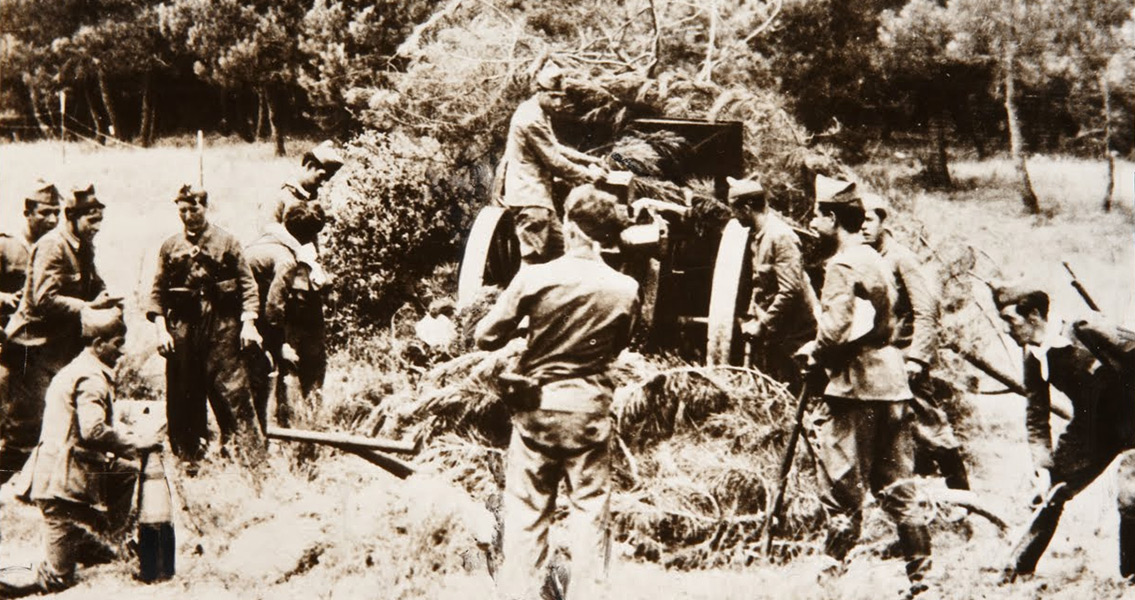
White Flag Over Madrid: Spanish Civil War Comes to An End

Homage to Catalonia. Clearly, the divisions in Spanish society were taken to symbolise something much broader, a set of competing values which many felt had an international importance. By 1939 the Republican forces were in disarray, Barcalona was captured in January and the situation had clearly become unwinnable. The Republicans attempted to sue for peace but Franco refused to negotiate. Madrid was soon surrounded and the city eventually became divided when sections of the Republican forces began fighting with each other. On 28th March, Franco’s forces marched into Madrid. It marked the end of a conflict which had seen over a million people lose their lives and whole cities leveled by the shocking power of modern military technology. The reality of the consequences were most directly felt in Spain, but in some ways people around the world had felt a connection to the Spanish Civil War. ]]>

Categories
Breaking News

Dzi Beads and Masks from Mysterious Tibetan Kingdom

Categories
Breaking News

Early Human Children Played with Toys

Categories
Book Reviews

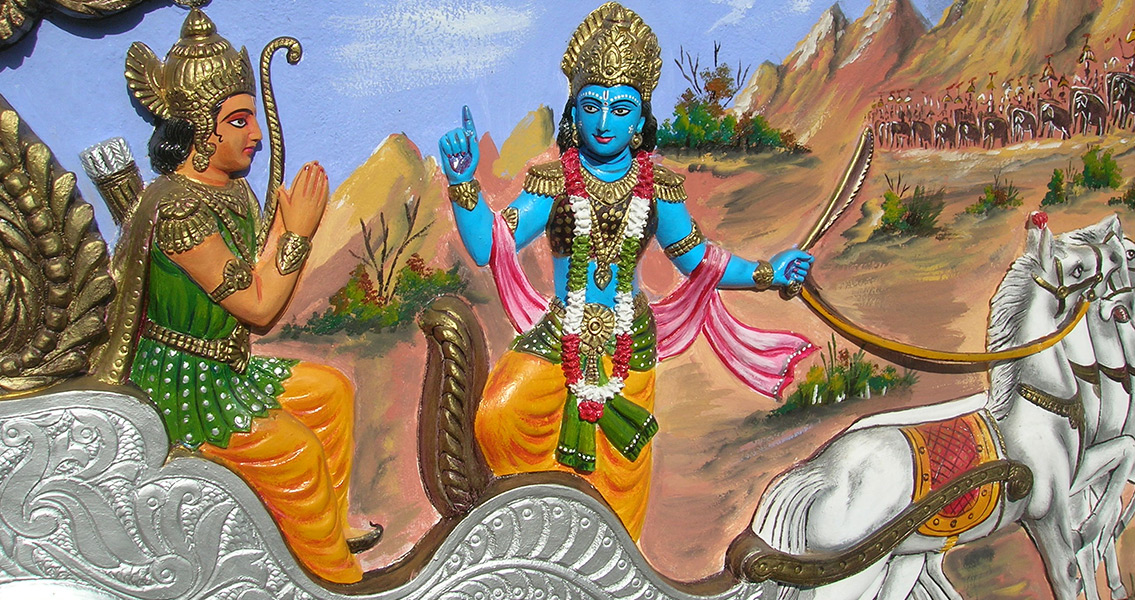
Bhagavad-Gita

Related Books


The Philosophy of the Bhagavad-Gita book

The Philosophy of the Bhagavad-Gita
by Subba Row

[gap height=”20″] ]]>

Categories
Breaking News

Aztec Empire Politics More Complex Than Thought

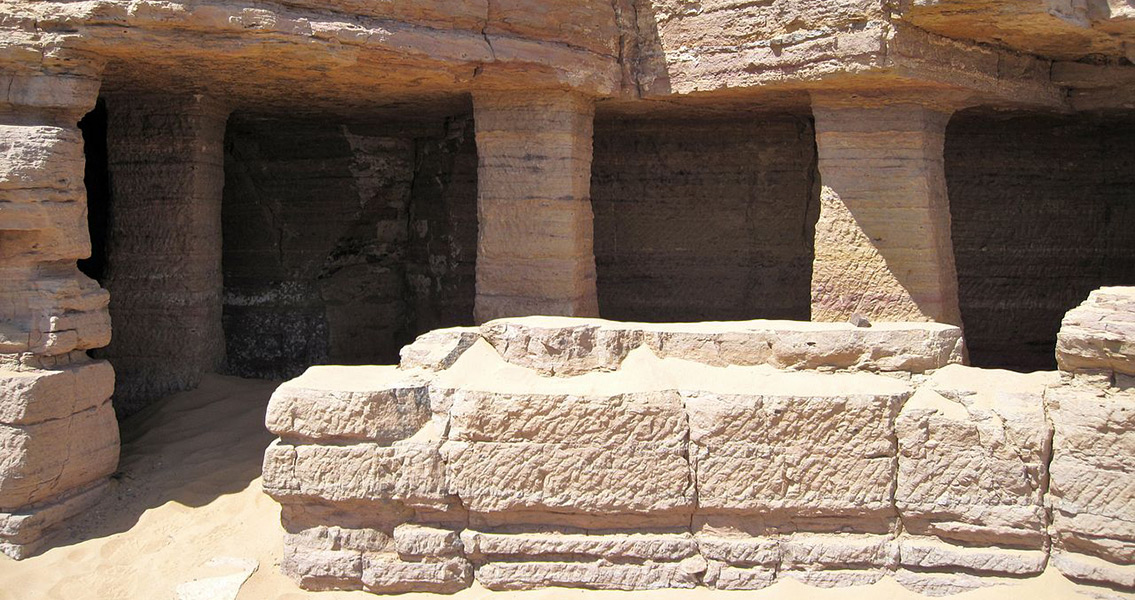
Journal of Archaeological Science. A possible explanation for why the Aztecs did not intervene in Tlaxcallan’s obsidian gathering is that obsidian was a plentiful resource. “Obsidian was widely available and was an everyday good. It probably wasn’t worth the time and expense to try to cut off Tlaxcallan’s supply of obsidian from El Paredón because other sources were available,” Millhauser writes. Millhauser and his team’s research emphasises the complexity of international relationships in Aztec-era Mesoamerica. Conflict was not as widespread or continual as previously thought. “The fact that they got so much obsidian so close to the Aztec Empire makes me question the scope of conflict at the time,” Millhauser says. “Tlaxcallan was able to access a source of household and military goods from a source that required it to go right up to the border of enemy territory.” Another important aspect of this research is that it reveals an economic divide between Tlaxcallan and the Aztecs. The Aztecs obtained most of their obsidian from a source other than El Paredón. Almost 90 percent of Aztec obsidian came from a site to the north known as Pachuca; Tlaxcallan only obtained around 14 percent of their obsidian from Pachuca. “All of this drives home the fact that geopolitics mattered for the economies of ancient states,” Millhauser says. “Political stances and political boundaries influenced everyday behaviour, down to the flow of basic commodities like obsidian. The popular conception of the Aztec Empire as all powerful before the arrival of Cortés is exaggerated. The region was a politically and culturally complicated place.” For more information: www.sciencedirect.com Image courtesy of Wikimedia Commons user: Nemissimo]]>

Categories
Breaking News

Oldest Breast Cancer Case Found in Egypt

Categories
Breaking News

European Military Prowess Challenged

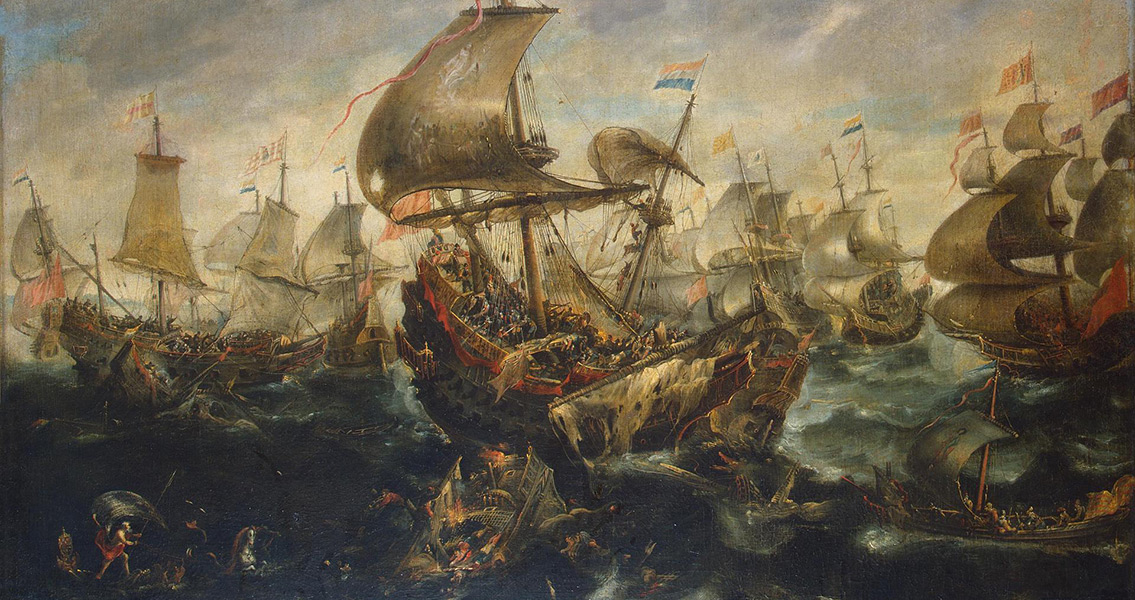
Deadliest Warrior – a television programme which anachronistically pits historical soldiers against one another to find out who would ‘win’ – attests to the appeal of such discussions. A new work has analysed the power of European militaries in the Early Modern period when they came up against their Asian contemporaries. Heated debate over the respective prowess of European soldiers and those from other parts of the world has a very long history. European pamphlets printed in the seventeenth century debated the potential impact of Japanese mercenaries. Some were impressed by the prowess and valour of Japanese warriors; others praised European soldiers for their skill and organisation. In historical circles this debate is scaled up. Individual soldiers are not compared, but armies and navies can be discussed with regard to a central historical question: Did European countries possess a significant military advantage that armies in Asia, the Americas, and elsewhere could not match? This question is important as it could offer an explanation for what is called the “rise of the West.” In an attempt to provide an answer, Adam Clulow, a historian from Monash University, Melbourne, Australia, has assessed the scholarship surrounding this debate. His work is published in the most recent edition of History Compass. Traditionally, it is thought that early modern European powers underwent an unprecedented military revolution. The resultant technological advances – particularly the capital ship, infantry firepower, and the artillery fortress – transformed the continent; leading to a dramatic shift in the power balance between Europe and the rest of the world. It was these tools which allowed Europeans to conquer over 35% of the world by 1800. This model of European expansion, however, has been hotly debated. Many opponents of this model claim that there was not a significant lag between the supposed ‘European military juggernaut,’ as Clulow puts it, and other parts of the world. Military organisation in Europe, therefore, should not be seen as exceptional. New research has forged a middle ground between these two positions. By looking at the Sino-Dutch war (1661-1668), it is possible to see a ‘limited advantage template.’ Clulow states that this conflict allows us to see that “while Europeans did possess a genuine technological advantage, most notably in forts and ships, it was not nearly as expansive as is sometimes assumed by supporters of the military revolution thesis.” Clulow, an expert on Tokugawa Japan, also notes that Europe had not always been able to fully utilise its technological advantages. European powers were unable to use maritime violence against Japan, for example. One reason for this was that the overseas resources the European forces were able to muster were simply not enough to challenge the regime of Tokugawa Japan. “The result was that the potential impact of superior military technology was so consistently blunted that it was essentially eliminated from the equation,” Clulow remarks. Technological advances can often give a military force a decisive upper hand in a conflict. Deadlier weapons and stronger armour are of obvious benefit in a fight. These advantages, however, are only useful if they can be effectively deployed. Clulow’s work clearly shows that rather than overestimate the importance of technology, we should remain cautious in drawing assumptions. Image courtesy of Wikimedia Commons user: Trzęsacz www.onlinelibrary.wiley.com]]>

Categories
Breaking News

400-km Meteorite Impact Zone Found in Australia