Categories
Breaking News

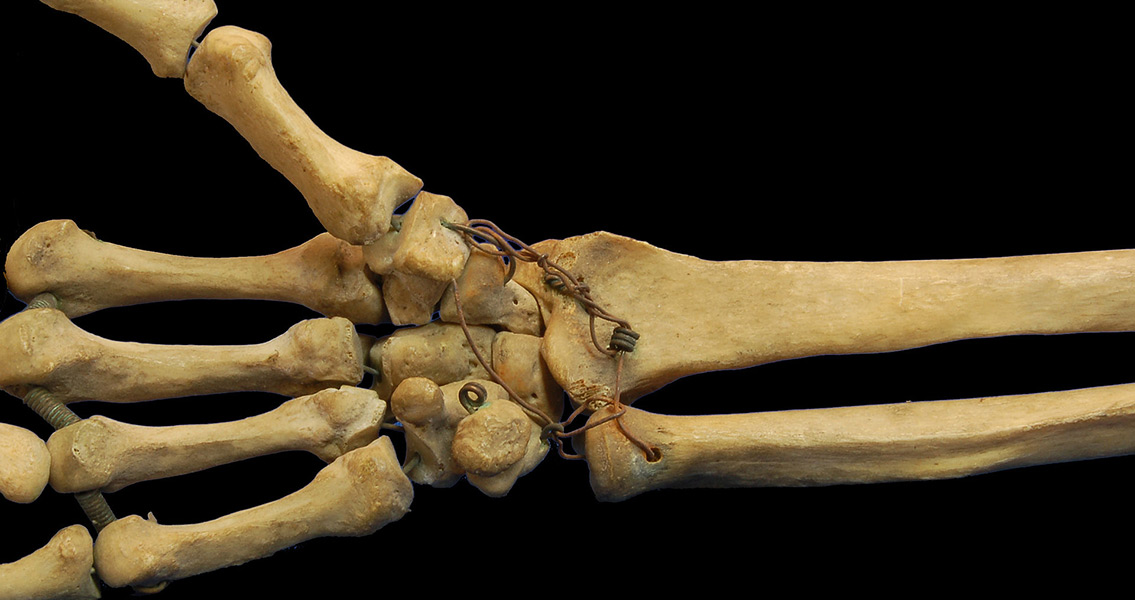
Finger Bone Find Pushes Back Origins of Modern Human Hand

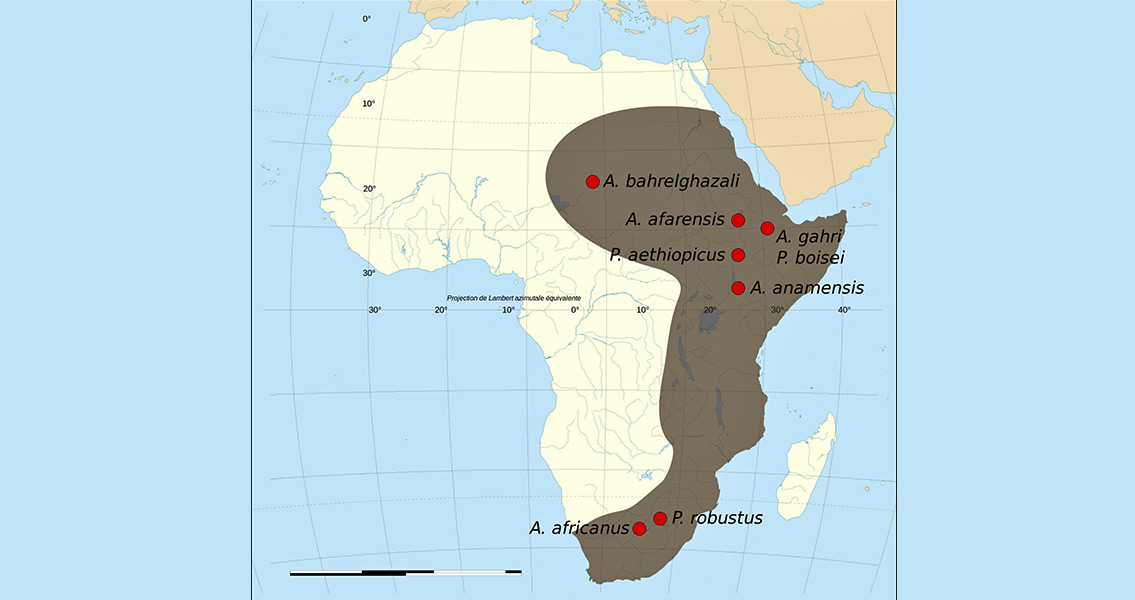
Homo habilis and Paranthropus boisei, the researchers say, but was more modern human-like than them. In fact, this species could be a “missing link” between Homo habilis and Homo sapiens. The bone was discovered in Olduvai Gorge, northern Tanzania, at a rich palaeontological site called Philip Tobias Korongo, or PTK, and, according to UPI, moves forward the point at which hominins climbed down the trees and evolved hands suitable for holding tools by as many as 400,000 years. In their paper, the researchers who discovered the bone note that there has been ongoing debate about the cause and effect relationship between the evolution of a hand capable of manipulating tools and the invention of these tools, a debate in which the discovery represents a valuable input. For one thing, it brings the evolution of the modern human-like hand closer to the oldest stone tools, discovered earlier this year in Kenya. Still, the tools predate the finger fossil by more than a million years, suggesting there could be even older fossils of modern human-like hands. The lead author of the study, Manuel Dominguez-Rodrigo from the Institute of Evolution in Africa, told New Scientist that the bone “belongs to somebody who’s not spending any time in the trees at all”. It is straighter than the phalangeal bones of tree-dwelling hominins who used their hands as modern-day primates do, to move in trees by hanging from branches and swinging between them. Speaking to the Christian Science Monitor, Dominguez-Rodrigo also said that this species was already capable of using tools and it was larger than its contemporaries. Based on the size of the fossil, the hominin it belonged to must have stood about five foot nine, which is quite a bit more than Homo habilis, (the first hominin who left Africa), who has been estimated to have stood at around three feet tall. The authors of the study note that the evolution of the hand has been a major driver for the evolution of humans, because the more capable of manipulating objects it became, the more capable hominins got at using increasingly sophisticated tools. However, recent discoveries, including this one, are revealing a much more complex hand evolution picture. For instance, the researchers write, the hand bones of some Pliocene australopiths have proven to be much more modern human-like than the bones of hominins from a more recent era, the Pleistocene. This suggests that hands capable of manipulating tools evolved before the tools were invented, feeding more evidence into the debate about the causal link between hand evolution and tool invention. For more information: “Earliest modern human-like hand bone from a new >1.84-million-year-old site at Olduvai in Tanzania” ]]>
Categories
Breaking News

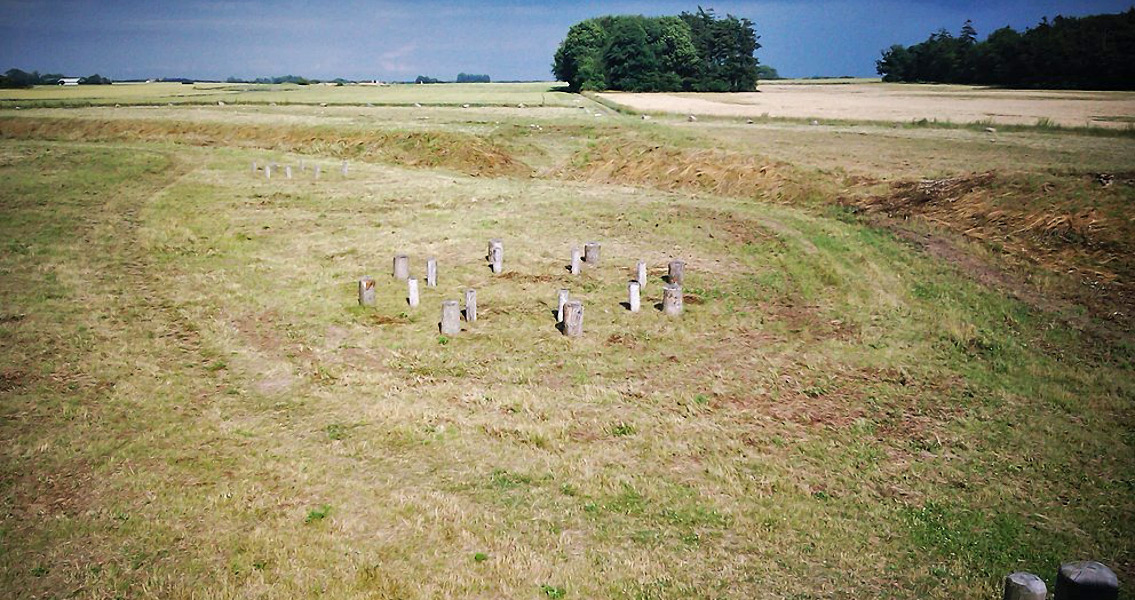
New Relics Discovered in Remains of Danish Sun Temple

Categories
News

Mary Queen Of Scots Assumes Scottish Throne

Categories
Breaking News

500-Year-Old Figurehead Recovered from Baltic Shipwreck

Categories
News

Mass Grave Reveals Violence in Neolithic Europe

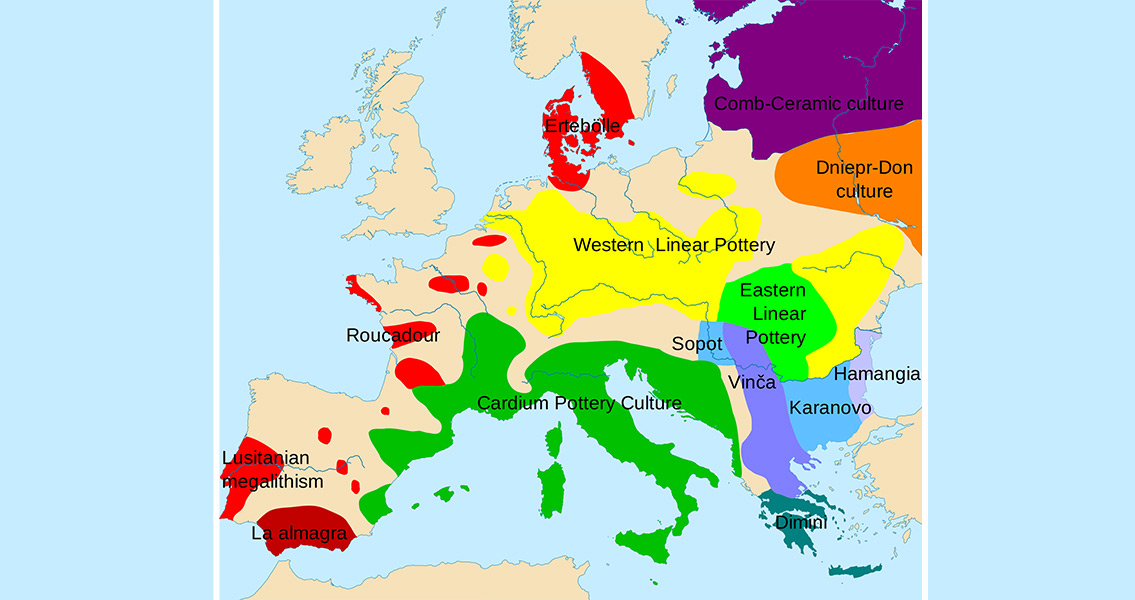
Proceedings of the National Academy of Science, Christian Meyer, Christian Lohr, Detlef Gronenborn and Kurt W. Alt argue that the mass grave is adding to the continued reappraisal of the extent of warfare and violence in Central Europe during the early Neolithic. An extensive study of the mass grave in Schöneck-Kilianstädten has shown that twenty six individuals buried there were killed by either blunt force or arrow injuries. The bodies were then thrown into a commingled mass grave. Significantly, according to the authors, the grave demonstrates “a pattern of intentional mutilation of violence victims.” There is clear evidence among the remains of the mass grave of an intentional, sytematic breaking of the victims’ lower limbs. Half of the skeletons had perimortem fractures, according to the study authors, suggesting the victims were either tortured shortly before death or mutilated afterwards. Such a pattern of violence has not been observed before at Neolithic sites. The fact that the remains were scattered around, seemingly randomly, is also unusual. In other Linear Pottery burials each person was given their own grave within a graveyard. Bodies were often carefully buried alongside grave goods such as possessions or pottery. The researchers take this as evidence that Schöneck-Kilianstädten must have been the site of a massacre where normal burial rites and customs were abandoned. Taken alongside other Neolithic massacre sites in central Europe at Talheim, Germany, and Asparn/Schletz, Austria, the team believe the mass grave at Schöneck-Kilianstädten adds to the mounting evidence of moments of extreme mass violence towards the end of the Linear Pottery Culture. “The new evidence presented here for unequivocal lethal violence on a large scale is put into perspective for the Early Neolithic of Central Europe and, in conjunction with previous results, indicates that massacres of entire communities were not isolated occurrences but rather were frequent features of the last phases of the LBK (Linear Pottery Culture).” Sometimes referred to as the New Stone Age, the Neolithic was a period defined by the development of new stone technology. It also saw farmers migrate west from Anatolia (what is now Turkey) into Europe, displacing the nomadic people and fishermen who had inhabited the continent previously. Settlements and communities sprung up across the continent as people built houses, cultivated land and started to decorate pottery. The extent to which these early settlements were blighted by conflict and violence however, has remained unclear. The end of nomadic lifestyles could have created increasing competition between different communities for access to the best land, rivalries which may have been intensified through climate conditions such as drought. The excavation of the Schöneck-Kilianstädten site has added crucial evidence to the study of large scale violence in the Linear Pottery Culture. The discovery, along with the other sites in Germany and Austria, has allowed researchers to start piecing together the nature, extent, and causes of warfare in the Central European Neolithic. For more information: www.pnas.org Image courtesy of Wikimedia Commons user: Joostik ]]>

Categories
News

Mystery of Royal Tombs of Vergina Solved

www.pnas.org]]>

Categories
Breaking News

China Cave Reveals Social Impact of Climate Change

“A Chinese cave links climate change, social impacts, and human adaptation over the last 500 years” Image courtesy of Wikimedia Commons user: Thomas Bresson]]>

Categories
Breaking News

3.4 Million Year Old Bones Bear Butcher Marks

www.sciencedirect.com Image courtesy of Wikimedia Commons user: Kameraad Pjotr ]]>

Categories
News

Billy the Kid Kills For the First Time

Categories
Breaking News

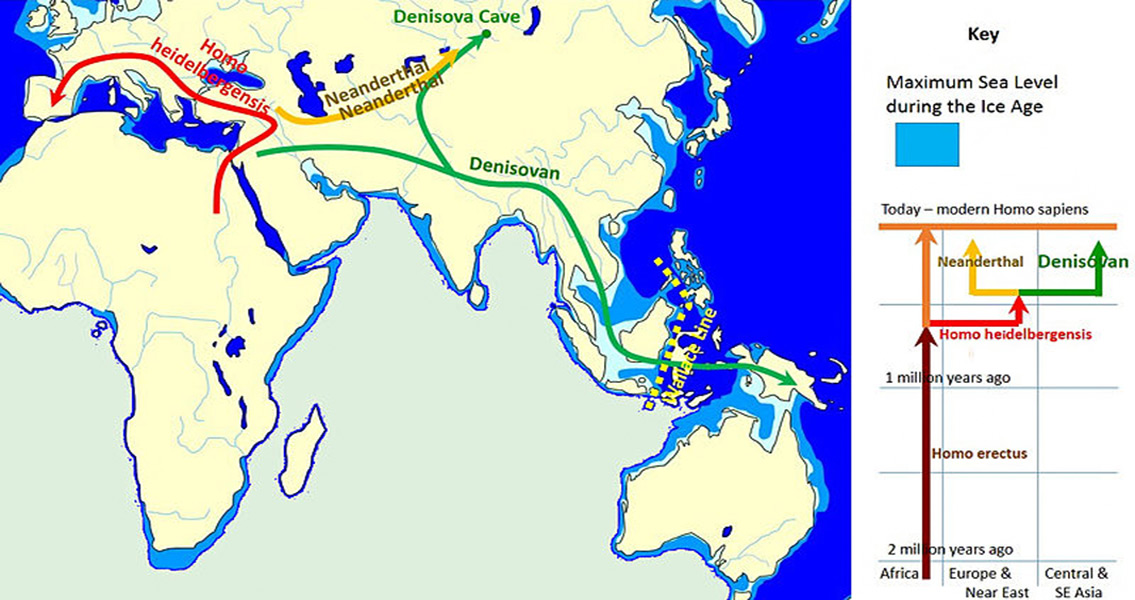
50,000-Year-Old Bones Found in Altai