Categories
Breaking News

Study Finds Parallel Between Language and Genetic Diversity

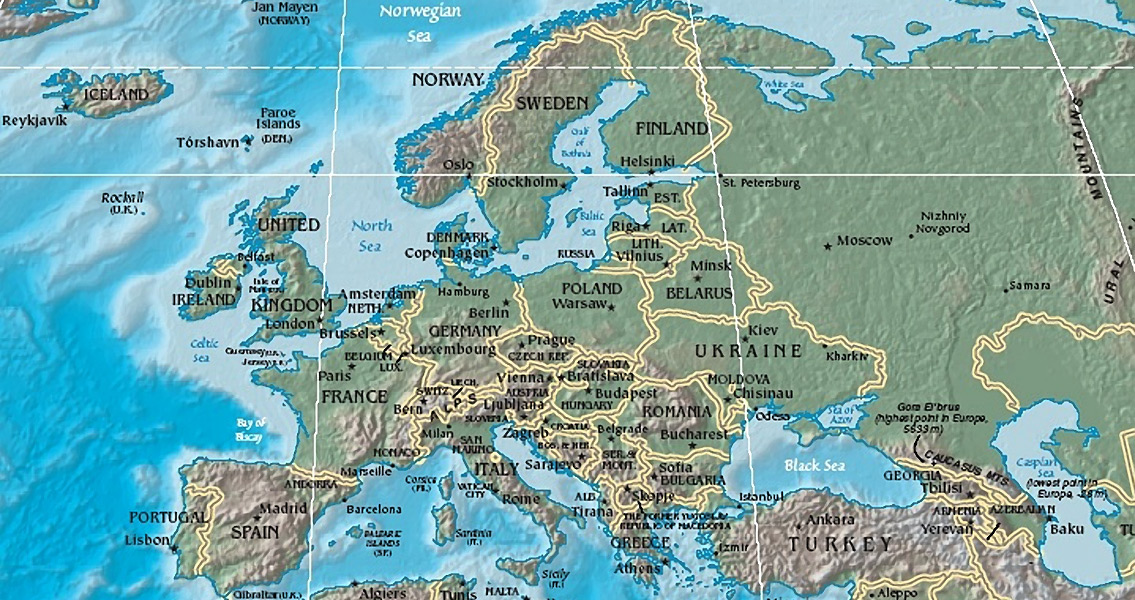
American Journal of Physical Anthropology, suggests that linguistic diversity can predict genetic diversity better than geographical distribution. This idea about a parallel between genetic and linguistic diversity was first put forward by Charles Darwin but so far it has been difficult to devise a methodology that would allow science to actually prove this correlation. With the help of geneticists and linguists from two Italian universities, Ferrara, and Modena and Reggio Emilia, the lead author of the study, linguist Giuseppe Longobardi, developed a methodology using two new tools for comparative linguistics research. The first tool was a refined list of Indo-European cognate words and the second a hitherto unavailable method of language comparison, which can be used to estimate linguistic diversity based on “a universal inventory of grammatical polymorphisms”. This method allows researchers to compare languages from different families, which is what the team did, comparing languages from the Indo-European and the Uralic families. Using these tools, the team identified two sets of linguistic distances, they wrote in the paper, one syntactic and one lexical. Then they used matrix correlation tests to compare these sets with certain values of geographical and genomic distances. The methodology was applied to fifteen European languages and the respective nations. In a press release from the University of York, Longobardi said that, for instance, the French and the Russians speak notably different languages, they have “a certain degree of linguistic diversity”. The study, however, found that the degree of genetic diversity between two populations in Europe was proportional to the extent of linguistic diversity. As a general historical rule, he added, it can be assumed that populations as geographically and linguistically diverse as the Japanese and the Kenyans, for instance, will also be proportionally diverse genetically. Still, as every rule, this also has exceptions. In the case of European populations and languages, the marked exceptions are Hungarians, who are genetically very close to the Slavic and Germanic peoples but linguistically very different. The diversity resulted from a conquest, which brought the new language into the territory of what is today Hungary. Longobardi said the study will now be expanded to include languages spoken outside Europe, hopefully reaching a global scale at some point. This expansion will allow the scientists to see if the rule holds true and they are even hoping that it could tell them exactly when and how the Indo-European languages were brought into Europe. In addition to the purely linguistic perspective, however, the team are hoping that their findings and any future ones will also help the study of genetics. As Longobardi said, “Ultimately being able to identify the ancestry of a population just on the simple basis of the language they speak may benefit identifying genetic properties of these populations, which could ultimately be of practical use even for medical research.” For more information: “Across language families: Genome diversity mirrors linguistic variation within Europe” Image courtesy of Wikimedia Commons user: public domain, CIA]]>

Categories
Breaking News

New Ancient Worm Species Discovered in China

Collinsium ciliosum, the armored worm has been nicknamed “Hairy Collins’ Monster” after Desmond Collins, the Canadian paleontologist that initially illustrated the worm during the 1980s. The closest living relative to C. ciliosum today would be the velvet worm, a strange centipede-like worm with segmented legs; large, almost snail-like antennae; and a distinct lack of armor. There are around 180 species of velvet worm in existence, with most of them living in the Southern hemisphere and exhibiting little in the way of differentiation besides size and coloration. However, according to Cambridge University’s Dr. Javier Ortega-Hernández, the lead author of the study on C. ciliosum, the evolutionary great-great grandfather of the velvet worm exhibited a startling amount of diversification, coming “in a surprising variety of bizarre shapes and sizes” according to a university press release. The sheer volume of divergent forms the armored worms took so far in the past is typical of the geological era in which they lived. Called the Cambrian explosion, the time period was characterized by intense evolutionary development. Other creatures from the period, such as lamp shells and sea lilies, have also demonstrated a high level of evolutionary activity during the Cambrian explosion, but this is the first time that it’s been evidenced in a relatively soft and squishy group of creatures such as that which C. ciliosum belongs to – even if its hard, aggressive-looking carapace seems to belie that description. It is likely that the otherwise soft and tender body of the worm made it a prime target for larger predators. The creature’s limited mobility and its status as a sedentary filter-feeder meant that it could have easily faced extinction through predation if it had not adapted the hard shell that it came to be encased in, complete with as many as 72 sharp, fierce, spiky horns of varying shapes and sizes. Ortega-Hernández referred to C. ciliosum as “Hallucigenia on steroids”, referencing a recent but unrelated fossil find in Canada of a similar worm-like creature that also existed in the Cambrian. The two worms are in fact members of the same evolutionary family and bear a passing resemblance to one another, though Hallucigenia lacked the impressive armored suit that its cousin C. ciliosum evolved to keep itself safe from harm. For more information: www.pnas.org Image courtesy of Wikimedia Commons user: Thomas Stromberg]]>

Categories
News

Kafka Controversy Resolved Before Anniversary of his Birth

Categories
Breaking News

49,000-Year-Old Milk-Based Paint Found in South Africa

“A Milk and Ochre Paint Mixture Used 49,000 Years Ago at Sibudu, South Africa” Image courtesy of Wikimedia Commons user: Gribeco ]]>

Categories
Breaking News

8,000 Year Old Projectile Points Found By Students

Categories
News

The Amistad Mutiny

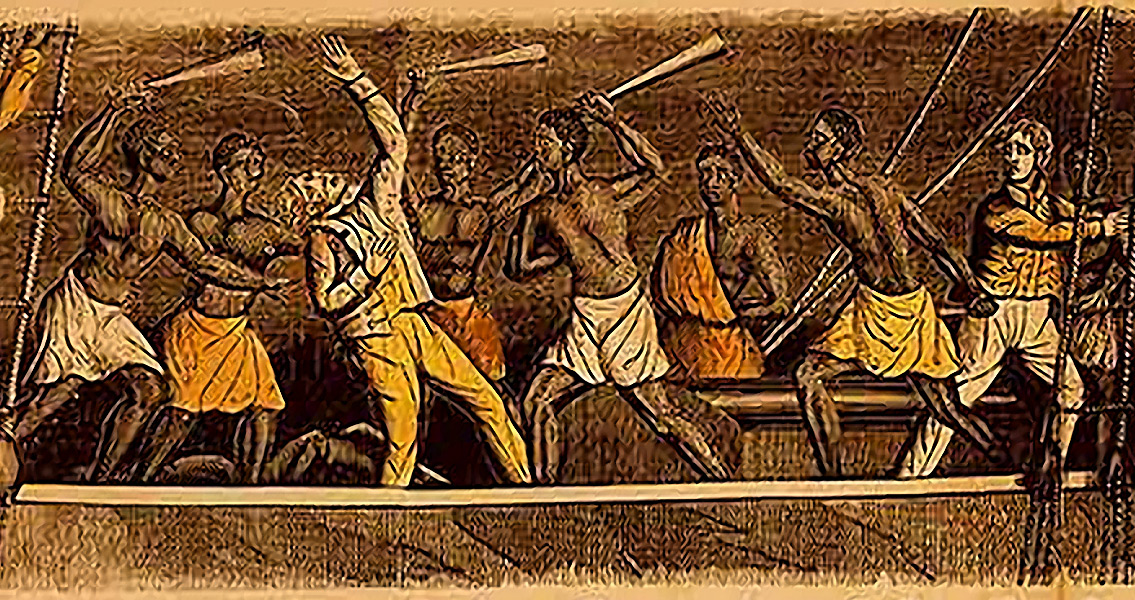
Amistad. The event became the basis for one of the most significant court cases in US history and a defining moment in the development of the abolition movement in the United States. Sometime in April 1839 Clinque, a 26 year old man from Mende in Sierra Leone, was captured alongside hundreds of others from the West African tribes by Spanish slave merchants. With his wife and three children still free and living in Sierra Leone, Clinque and 500 other slaves were taken, chained hand and foot, aboard the Portuguese slave vessel Teçora to the Caribbean. Teçora finished its voyage by entering Cuba under the cover of night. The secretive approach was because of Anglo-Spanish treaties which had made the trade of slaves from Africa a capital crime. Slavery was legal in Cuba however, meaning once smuggled ashore it would be possible to trade the slaves on the Cuban market. Highlighting the horrendous conditions endured by the captives aboard Teçora, a third of the slaves had died by the time the ship reached Havana. Clinque and 53 other slaves, including four children, were bought by two Spaniards: Jose Ruiz and Pedro Montes. The slaves were collected aboard the Amistad, a small schooner built in Baltimore especially for the slave trade. It set sail on a 300 mile journey to transport the slaves from Havana to Puerto Principe, on another part of Cuba. The mutiny started three days into the voyage. Clinque used a nail to pick the locks of his chains and free the other captives. The escapees, armed with machete like weapons they had found in the vessel’s stores, stormed the ship, killing the Amistad‘s captain and cook, and injuring Montes and Ruiz. The lives of the two Spaniards were spared for their navigational skills, and they were tasked with sailing the ship back to Africa. Montes and Ruiz deceived the captives and had the ship sail back and forth along the coast of the Americas. After two months at sea the vessel was spotted by the USS Washington off the coast of Long Island. The difficult voyage had seen around a dozen of the slaves perish. The US Navy ship escorted the Amistad to Connecticut, where Montes and Ruiz were freed and the Africans were imprisoned pending an investigation into the mutiny. Quickly the mutiny escalated into an international issue which engaged directly with the long standing controversies over slavery. A group of evangelists, led by Lewis Tappan, worked to publicise the incident as a means to expose the evils of the slave trade. A key turning point took place when they found two other men from Sierra Leone who could serve as translators for Clinque, allowing his side of the story to be publicised. Increasingly, abolitionists painted and spread a vivid depiction of the horrendous conditions endured by the slaves. They launched a case, arguing that the Africans had been enslaved illegally and had thus broken no laws in trying to escape from bondage. On the other side, Montes and Ruiz sued the slaves, on the basis that they had been deprived of their property. They demanded the return of the slaves, which they fraudulently claimed had been born in Cuba. The Spanish government was eager for the slaves to be returned to Cuba to stand trial for piracy and murder. Tremendous diplomatic pressure was therefore placed on US President Martin Van Buren to find a quick solution to the mutiny which would appease the Spanish demands. An interesting sub-plot to the case was the Spanish awareness that if Mortes and Ruiz were found guilty of having kidnapped the slaves from Africa, Spain’s infringement of the treaty banning the African slave trade would be revealed. This, in turn, would provide the British with justification to intervene in Cuba. An initial trial, in January 1840, ruled that the slaves had been imprisoned illegally. As such, they would not be forced to return to Cuba to stand trial but instead freed and returned to Africa. Shockingly, Van Buren and the Spanish government both intervened in the case, and appealed the verdict to the Supreme Court. In March 1841 the Supreme Court confirmed the original verdict, ruling again that the slaves had been imprisoned illegally. With financial assistance from the abolitionists that had backed their campaign, the Africans from the Amistad set sail for West Africa in November 1841. For the United States, the verdict of the trial was pivotal. It revealed the growing momentum of the abolition movement, and the growing contradictions between US law and the moral principles supposedly embodied in the country’s Declaration of Independence. The event became a public as well as political spectacle, highlighting the divisions between slave owners and abolitionists. The result set an important legal precedent concerning the importance of ‘natural law’ over the property rights of the slave owners and as such, the outcome of the Amistad trial was a crucial step in the process which ultimately culminated in the Thirteenth Amendment in 1865.]]>

Categories
Breaking News

Extreme Weather Swings Kept Dinosaurs Away From Tropics

www.pnas.org Image courtesy of Wikimedia Commons user: Heinrich Harder (1858-1935)]]>

Categories
Breaking News

Trenches for Australian Soldiers Discovered in Canberra

Categories
News

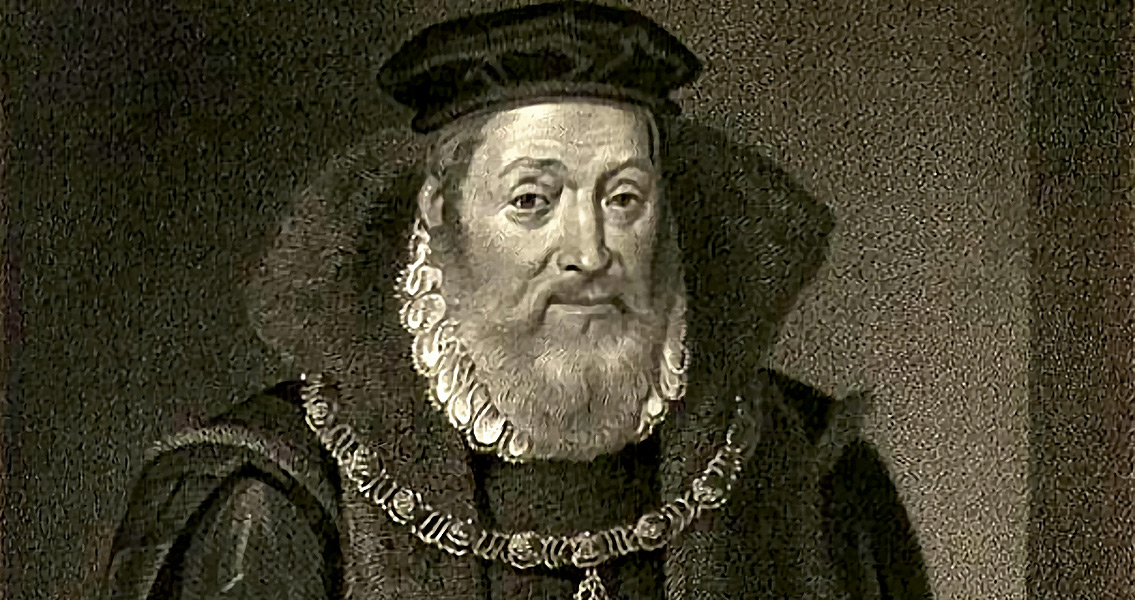
The Treaties of Greenwich

Categories
Breaking News

Democracy May Have Predated Ancient Greece

Current Anthropology. The authors note that this ancient form of democracy would have been very different from what we have come to associate with the term in the more recent periods of human history, but they suggest that this early egalitarian structure gave a substantial advantage to people who were good communicators and more persuasive than the rest of their community. The presence of this advantage led to the emergence of a new idea of leadership that no longer focused on physical abilities alone but also involved cognitive ones, such as linguistic skills and the “ability to form and influence coalitions”. The second driver of socio-political development besides leaders’ ability to persuade their followers was the followers’ to partake in decision-making, making it a consensual process. The study’s conclusions could have important implications with regard to our understanding of how political systems emerged and developed throughout human history. While it’s true that more complex systems developed much later, it is fascinating to suggest that even back in the early years after hominins split from their quadruped cousins, they had the capacity to form coalitions in order to accomplish a common goal. In fact, the authors note in their paper, it was this propensity for cooperation that made hominins better equipped for the formation of large and lasting coalitions. This helped them improve their survival chances by becoming better prepared to overcome predators and supply food for the community. The study questions the ideas that have over the last seven centuries dominated political and social sciences. One of these is the theory of Homo economicus, which posits that humans are driven by self-interest and the urge to maximise the benefits they can create or receive, a theory that has dominated biology and political sciences, as well as economics, the study authors point out. The other dominant theory, which conflicts with this one, is the theory of cultural hegemony, strong in social sciences and anthropology, which suggests that culture is what dominates a community and its members are but “passive internalisers” of this culture. For more information: “The Evolutionary Origins of Human Political Systems” Image courtesy of Wikimedia Commons user: Oyoyoy ]]>