Categories
Editorial

Fascism USA – Priests, Nazis and the New Deal

How do you define fascism? Like any political ideology, it is difficult to define fascism convincingly; debates over definition clouded by historical examples serving as inescapable archetypes. The Oxford Dictionary defines fascism as: “a political philosophy, movement, or regime (as that of the Fascisti) that exalts nation and often race above the individual and that stands for a centralized autocratic government headed by a dictatorial leader, severe economic and social regimentation, and forcible suppression of opposition.” Taking this as a basis, elements of fascism have been seen throughout US history, and in particular in the 1930s. Fascism Versus the New Deal Fascism took hold in Europe in the wake of economic calamity. In the USA, the response to the Great Depression was the election of Franklin D. Roosevelt to the presidency and the implementation of the New Deal – a program of government investment, extension of federal authority and welfare spending designed to stabilise the US economy. Roosevelt was elected president four times, but his liberal politics were far from universally popular. Like Europe, there were those in the US who felt fascism was the only way forward. Father Charles Coughlin Eleven days after the Kristallnacht massacre of Jews in Germany, Michigan based Catholic priest Father Charles Coughlin took to the airwaves in defence of the Nazis’ actions. A swift backlash ensued against Coughlin, culminating in New York radio station WMCA cancelling his show. Nevertheless, Coughlin continued broadcasting from his Michigan church. Father Coughlin associated Judaism with Russian Communism. To him, the actions of the Nazis, including their blatant antisemitism, were a means to fight off Communists. Speaking to a reporter in the late 1930s about the path of politics in the USA, Coughlin said: “I take the road of fascism”. A few years earlier the charismatic priest had formed his own political party, and even made a run for the White House. In 1933 the radio stations carrying Coughlin’s broadcasts had a potential audience of some 40 million people. Rallying against internationalism, bankers and Jews, Coughlin started a new political organisation in 1934, the National Union for Social Justice. Two years later, the party had a candidate in the presidential election. At a rally in Rhode Island, Coughlin declared, “I shall have the courage to stand up and advocate the use of bullets”, promising “more bullet holes in the White House than you could count with an adding machine.” Coughlin’s candidate, William Lemke, suffered an embarrassing defeat by winning just nine hundred thousand votes. Combined with the backlash against his post Kristallnacht broadcast, Coughlin was increasingly pushed into retiring from public life. The German American Bund Father Coughlin wasn’t alone in backing Hitler and the Nazis. Supporters of the German American Bund remained loyal to the Nazis throughout the Great Depression, and into the 1940s. The German American Bund was essentially an organisation of ethnic Germans living in the USA. Its support of Nazism stretched to antisemitism, anti-communism, and an insistence that the USA should remain neutral in the Second World War. German American Bund leader Fritz Kuhn was regarded as the leading antisemite in the USA. His organisation carried out a range of activities around the USA, publishing books and magazines, organising rallies, even maintaining youth organisations similar to the Hitler Youth in Germany. Kuhn was ultimately imprisoned for embezzling funds, while other leaders of the group were arrested as the USA headed towards war with Germany. With support waning, the organisation was eventually banned after the USA entered the fray of World War Two. Father Charles Coughlin and the German American Bund are two American Fascist movements that existed in the run up to the Second World War. There were others, such as the Black Legion; a Ku Klux Klan splinter group which indulged in acts of terrorism and vigilantism, but what makes the German American Bund and Father Coughlin so shocking is the level of public respectability their representatives and their ideas seemed to win. Fascist governments never took hold in the USA in the twentieth century like they did in Spain, Italy, Germany and elsewhere in Europe. However, that doesn’t mean that fascism hasn’t left its mark on US history. ]]>

Categories
Breaking News

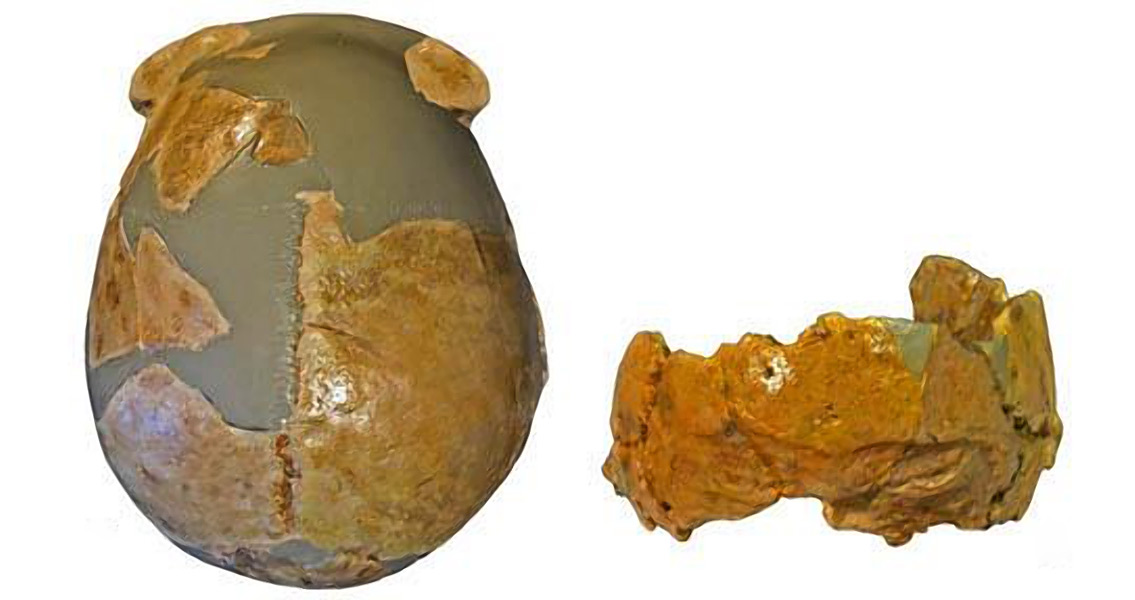
Neanderthal and Human Characteristics Shown in Two Ancient Skulls

Categories
Breaking News

Census Document Details the Aztec Land Conquered by Cortés

Categories
Breaking News

Scientists Investigate Ancient Stone Staircase in Cambodia

Categories
Breaking News

Man Made Amazon Theory Finds New Support In Trees

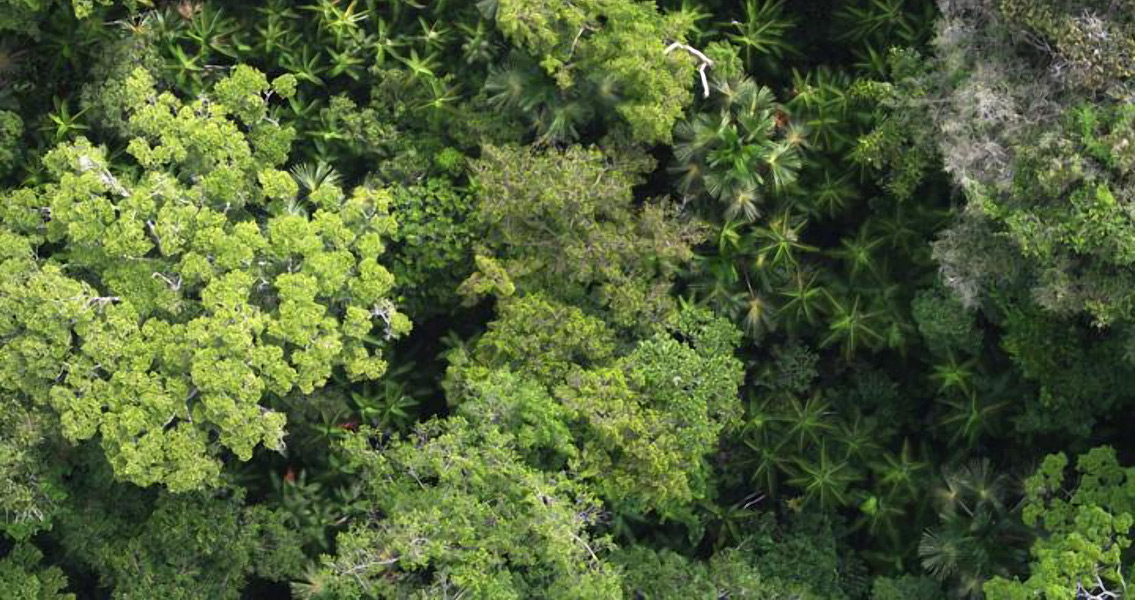
Was The Amazon Rainforest Man Made? Traditionally, historians have argued that the Amazon rainforest was sparsely populated prior to the arrival of Europeans, a cultural blackhole when compared to the richly populated rest of pre-Columbian South America. Extremely fertile land found radiating out from the remains of ancient settlements over the last few years has led some archaeologists to argue that for millennia people were enriching the relatively poor soil of the Amazon to use for farming. A study published by the Proceedings of the Royal Society of London B: Biological Sciences in 2015 went as far as to argue that a massive civilisation had once domesticated much of the land in the Amazon. They claimed that food production projections supported estimates of 8 million people living in the rainforest as late as 1492. Trees Support the Man Made Amazon Theory Levis and colleagues’ study used the Amazon’s trees as a means to look at the rainforest’s history of cultivation. “For many years, ecological studies ignored the influence of pre-Columbian peoples on the forests we see today. We found that a quarter of Amazonia’s domesticated species are widely distributed in the basin and dominate large expanses of forest. These results clearly indicate that the Amazonian flora is in part a surviving heritage of its past inhabitants,” Levis explained. The team overlayed data from over 1000 forest surveys of the Amazon Tree Diversity network on a map of over 3000 archaeological sites in the Amazon. Comparing forest composition at various distances from archaeological sites generated a picture of how pre-Colombian peoples influenced Amazon biodiversity. 85 tree species known to have been domesticated by ancient Amazonians for shelter, food or other uses formed the basis of the study. Remarkably, the team found that these 85 species were far more likely to be common in the tree surveys than non-domesticated species. These domesticated species were also found to be much more common close to archaeological sites. “This lays to rest the long-standing myth of the ’empty Amazon’,” says Charles Clement, senior researcher at INPA, Manaus, and a coauthor of the study. “Early European naturalists reported scattered indigenous populations living in huge and apparently virgin forests, and that idea has continued to fascinate the media, policy makers, development planners and even some scientists. This study confirms that even areas of the Amazon that look empty today are crowded with ancient footprints.” ]]>

Categories
Breaking News

Treasure Hunters Unearth Ancient Iron Age Jewelry in Britain

Categories
Breaking News

Neanderthal DNA Still Affecting Modern Humans

New Scientist. “The results add to increasing evidence that these effects are often the outcome of changes to the genetic switches,” said Tony Capra of Vanderbilt University in Nashville, Tennessee. His own results published last year revealed Neanderthal influences on a variety of human disorders, including depression and addiction. The control of Neanderthal DNA decreased the most in regions of the brain critical for perception and fine motor skills, the basal ganglia and the cerebellum, which further evolved in humans to enable advanced thinking, behavior and the ability to process language. NTRK2 is another Neanderthal gene with fading influence. This gene is key to neuron survival in addition to the development of brain connections and its reduced influence illustrates the sort of fine-tuning which may have permitted our ancestors to take off intellectually. Another gene in which Neanderthal DNA lost control is a testes gene that affects a sperm’s ability to penetrate and subsequently fertilize an egg. Researchers theorize that once control of this gene was relinquished, neither the Neanderthals nor the human- Neanderthal hybrids were able to mate with humans. This theory is consistent with research results showing a reduction in the health of male offspring from hybrid unions. ]]>

Categories
Breaking News

Mystery of Maya Pendant’s Discovery Puzzles Researchers

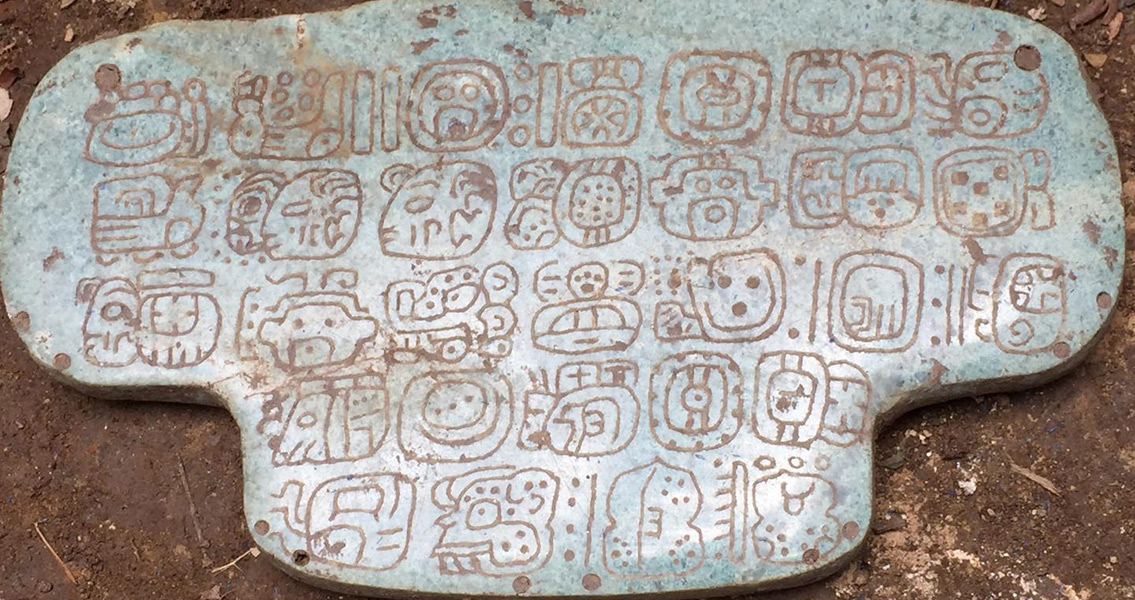
Ancient Mesoamerica, can be found here]]>

Categories
Breaking News

Giant Penguin Might Have Been Around With the Dinosaurs

history of the flightless seabirds. Situated in New Zealand’s Canterbury region, the fossil sites along the Waipara River have long been a vital resource to scientists for the abundance of avian fossils which became embedded in the sand just four million years after the dinosaurs went extinct. “Among the finds from these sites, the skeletons of Waimanu, the oldest known penguin to date, are of particular importance,” explained Dr. Gerald Mayr of the Senckenberg Research Institute in Frankfurt. Hugely significant is the fact the bones of the recently discovered giant penguin differ markedly from those of others from the same time period, suggesting there was much greater diversity among Paleocene penguins than previously assumed. In their study published in the Springer Journal Science of Nature, the team postulate that the newly discovered giant penguin fossil could point to the evolution of the birds having started much earlier than previously thought, perhaps even during the age of the dinosaurs. “What sets this fossil apart are the obvious differences compared to the previously known penguin remains from this period of geological history,” explained Mayr, an ornithologist from Frankfurt. “The leg bones we examined show that during its lifetime, the newly described penguin was significantly larger than its already described relatives. Moreover, it belongs to a species that is more closely related to penguins from later time periods.” Although impressive with its 1.5 metre length, the newly described giant penguin was still not as big as Anthropornis nordenskjoeld, the largest penguin fossil ever discovered, which lived on the Antarctic coast between 45 and 33 million years ago. Evidence has been found suggesting A.nordenskjoeld could reach heights of up to two metres from beak to toe. According to Mayr, it’s highly significant that the newly discovered penguin is much older than A.nordenskjoeld. “This shows that penguins reached an enormous size quite early in their evolutionary history, around 60 million years ago”. The team believe that the newly discovered species would have already adopted the unique, waddling gait which characterises modern penguins. This is something which would have distinguished it from other, more primitive species in the genus Waimanu – a genus of early penguin which lived during the Early Paleocene. “The discoveries show that penguin diversity in the early Paleocene was clearly higher than we previously assumed,” concluded Mayr, adding, “In turn, this diversity indicates that the first representatives of penguins already arose during the age of dinosaurs, more than 65 million years ago.” Image courtesy of Senckenberg Gesellschaft für Naturforschung (Senckenberg Nature Research Society) The newly published study is available from Sprnger Nature ]]>

Categories
Breaking News

Ancient Statue of Pre-Christian Deity Found on Corsica

International Business Times, local road work had been planned for nearby the ancient ruins, which prompted local authorities to contact the French National Institute for Preventative Archaeological Research (INRAP) to clear the construction. INRAP conducted excavations to ensure the new road wouldn’t inadvertently demolish any significant archaeological remains, only to discover the statue during their investigations. Led by archaeologist Philippe Chapon, the INRAP team began work in Mariana in November of 2016. The small Roman town, thought to have reached its primacy in the third and fourth centuries CE, would have been most well-known for its moderately successful commercial harbor thanks to its location next to the Mediterranean. After several months of work on site, the INRAP team has revealed that they have excavated the remains of a religious sanctuary dedicated to Mithra. The entire find consists of a worship room and an antechamber devoted to the Indo-Iranian deity. Chapon characterized the find as “very rare and exciting”, adding that it’s the first time evidence of worshiping Mithra has been found on Corsica. Throughout the rest of France, there are only around a dozen similar sites, the archaeologist said, with the most recent one being found in 2010 near the city of Angers. Several relics were found in the ruined sanctuary, including a trio of oil lamps and a fragmented marble structure that would have depicted Mithra. Pieced back together, the marble depicts Mithra sacrificing a bull, a scene from the pre-Christian god’s mythology. One of the pieces showcases the spilled blood of the bull as both a snake and a dog lap at it. The same fragment adds insult to injury to the bull, as a scorpion is depicted pinching its testes as well. Other finds, such as pottery, bronze bells and a partial marble statue depicting a female head, were also found. While Mithra is likely to have pre-dated Christianity in its place of origin, when worship of the deity spread west it probably found itself battling for followers. There are indications that Roman soldiers and merchants returning to Rome from the east brought the religion with them, and that there was a fierce competition for new followers between Mithraism and Christianity. There’s no written record of the religion, but archaeologists have pieced together information from finding and analyzing things worshipers left behind. This includes relics and ritual representations depicted on walls of sanctuaries. The resultant knowledge paints a picture of a primitive monotheistic religion likely open exclusively to men, one that spread through the elite echelons of society before expanding outward and downward. Mithras worshipers came under fire directly in 392 CE as emperor Theodosius I forbade the religion, instead proclaiming Christianity the Empire’s official religion. This may be the source of some of the damage the artifacts at the Corsican site sustained, with the altar being broken sometime in the past. A large Christian structure being built in Mariana at around 400 CE, one of the earliest occurrences of Christianity on the island, may have been built in the wake of Mithra’s expulsion. ]]>