
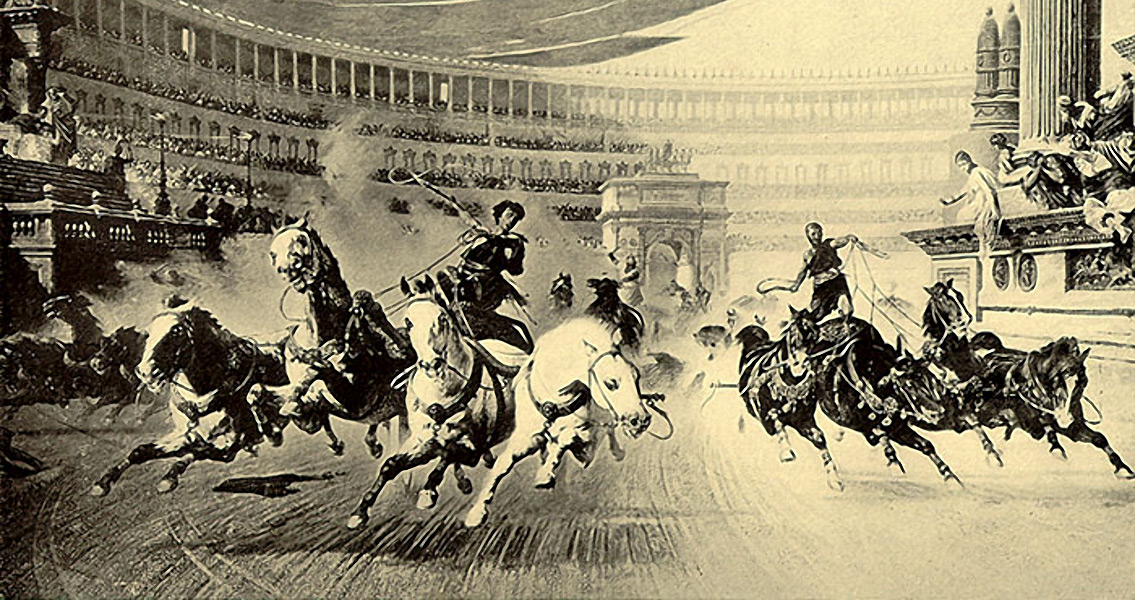
Seeker. “Any iron tire for racing would be a very thin strip of iron on the outside of the wooden rim, best when heat-shrunk on the wood, to consolidate the whole wheel. The solution makes full sense in engineering thinking, ancient or modern.” Horse and chariot races were part of the sacred games, known as ludi, which were held during archaic Roman festivals. The race’s sacral meaning, although diminished across time, has been preserved by the iconography found at Rome’s primary racetrack, the Circus Maximus. No actual Roman chariots are known to have survived. The small toy model, currently being displayed at the British Museum, is the only archaeological evidence for the reinforced single-tire design. The bronze, hand-sized model represents a biga, a racing chariot with two wheels, driven by two horses. The model is missing the charioteer as well as one of the horses and was likely a toy for a prosperous individual, possibly even Emperor Nero himself who, according to historians, played with toy chariots. “The wheels originally rotated freely on the axle. It was made by someone who knew a lot about racing chariots,” Sandor says in the article. Given that it’s easier to guide horses into left-turns, a majority of chariot races ran counter-clockwise. Therefore, chariots’ had only the right wheels strengthened because the chariots naturally leaned right, overloading the right wheel during left-hand turns. The single tire reinforcement configuration didn’t always mean a faster chariot, however, it may have prevented the wheel from failing, consequently reducing crashes. This alone made it statistically superior on the racetrack. In general, Sandor estimates that the chariots with no iron tires had a 50 percent chance of winning, while vehicles with two iron tires would only win 30 percent of the time. The study, which has been published in the Journal of Roman Archaeology, found that a racing chariot with one iron tire on the right was the best design in regards to durability, safety and chance of winning. ]]>
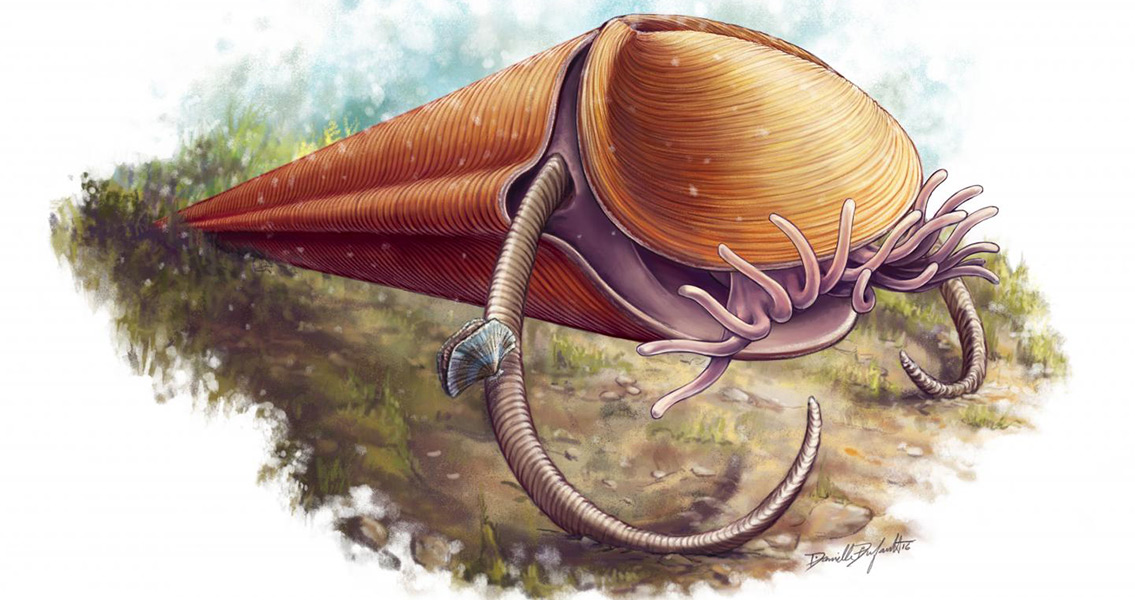
Nature, can be found online here Image courtesy of Artist: Danielle Dufault. © Royal Ontario Museum]]>


Live Science. Jiahu had previously been the location of other remarkable archaeological finds; the site has yielded evidence of the earliest known examples of playable musical instruments in the form of bone flutes. Additionally, evidence of what may be the earliest instances of Chinese as a written language was also found on the site. Legend has it that the wife of the Yellow Emperor was surprised when a silkworm cocoon fell into her teacup one day, yielding nearly a kilometer of thread after it was unraveled. While this is of course legend, as far as silk weaving and breeding silkworms for that goal goes, ancient tales seemed to radiate out from Jiahu and the surrounding area, according to archaeologist Decai Gong, the study’s co-author and a scientist from the University of Science and Technology of China at Heifei. Additionally, older research on Jiahu found that mulberry trees thrive in the warm and humid climate of the region; with mulberry leaves being the singular food of silkworms. Researchers collected soil samples from a trio of tombs located at Jiahu. After chemical analysis, two of these three tombs were found to have had silk proteins in their samples. One of these two tombs has been dated to 8,500 years old, making the discovery the earliest evidence of the use of silk in ancient China according to Gong – extending back much further than the previous 5,000-year date. There are difficulties in understanding how silk would have been used at Jiahu, researchers say. However, the scientists made the suggestion that those interred in the tomb might have been wrapped in silk garments. The discovery of weaving tools and bone needles at the site seems to support that idea, as it suggests that the residents of Jiahu possessed the basic sewing and weaving skills needed. In fact, Gong said that it would not have been impossible for those living in Jiahu at the time to have created fabric from silk. The researchers say that they will continue to look for evidence of silk at the Jiahu tombs in the future. Gong added that other nearby sites will also be examined for trace evidence as well. The research study, published recently in the journal PLOS ONE, is available online here]]>

Seeker, adding: “At 7:32 am the sun shone brightly through the hole with an incredible precision. It was amazing.” The 23-foot tall stone would have marked the turning point of the seasons and the change to colder weather. The moment likely had ritualistic importance as well, considering the investigation revealed the site was considered a sacred place towards the end of the third millennium BCE. A short distance away from the stone, researchers unearthed a number of complete burials referred to as grotticella tombs. Dug out of the rock, the chamber-like tombs were the primary form of burial for the Castelluccio’s, the culture that thrived in the early Sicilian Bronze Age. La Spina’s research team also located what seems to be a menhir (upright stone) to the east of the holed rock. Although lying on its side when discovered, the more than 16 feet tall stone originally stood upright, as indicated by the pit found near its base. The geological composition of the menhir and the calendar rock are not the same, suggesting the monolith was transferred to the site from another location. “It stood at a distance of 26 feet, right in front of the rock’s hole. This obviously reinforces the sacrality of the site.” La Spina is quoted as saying in Seeker. At least two additional holed stones have been unearthed in Sicily. They were discovered near Palermo by Alberto Scuderi, the Italian Archaeologist Group’s regional director and an archeo-astronomy expert, who told Seeker: “The newly found calendar rock appears to have been made by the same hand that carved the other two rocks. One lined up with the rising sun at the winter solstice, the other produced the same effect with the rising sun at the summer solstice,” adding, “For this reason, I believe that another holed calendar stone, marking the summer solstice, may be found near Gela.” ]]>
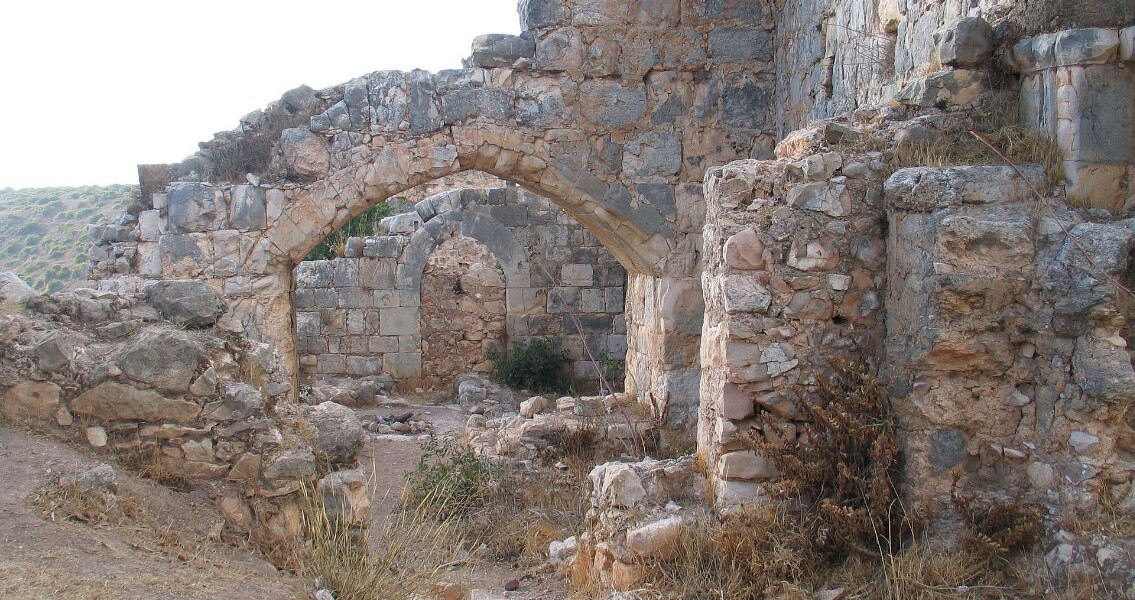
Haaretz, archaeological studies conducted by a team from the University of Haifa have revealed how life would have been like in the Crusader castle, which famously fell to the Mamluks after a 15-day siege in 1271. New finds, collected during the 2016 excavation season, include fragments of armor such as chain mail and scale mail, old arrowheads and iron slag from one of the fortress’ forges. A large cache of glassware and several coins from the thirteenth century were also recovered, according to university professor Adrian J. Boas. Despite the monastic nature of those living there – the military monks of the Teutonic Order – there would have been plenty in the way of creature comforts, archaeologists found. Leisure time activities such as playing Nine Man’s Morris, a common board game during the era, would have been available, judging from the board and game pieces found at the site. A workshop for creating objects from bone like buttons and crossbow nuts was also found, and the diet of the Teutonic knights that lived at Montfort Castle included cattle, sheep, deer, turtles, and hogs imported from Europe, according to the remains discovered at the site. Additional finds at the site include round tunic buttons and belt buttons, providing indications as to how Crusaders dressed and what their grooming habits would have been during the thirteenth century. The castle’s stables were also discovered during the latest excavations, revealing a roof that had been held aloft by beams and a flagged floor. Strewn within the debris were bells, saddling buckles, horseshoes and nails, and axes and shovels as well. The layout of the stables was found to be similar to other Crusader-built ones elsewhere in the Middle East, especially those found at Atlit’s Templar castle – despite the bitter enmity that grew between the Teutonic knights, the Templars, and other Crusader orders such as the Hospitalers. In fact, the location of Montfort Castle may have been partly chosen for its relative isolation. Nestled between several hills, it would have not drawn attention to itself in the way a traditional fortress overlooking farmland, roads or settlements would have. The Teutonic Order likely used it as an administrative center and archives, far from the reach of the Hospitalers and Templars who were vying for control and dominion over Christian holdings in the Middle East. These archives are thought to have survived the siege, even after Mamluk forces captured the fortress. The garrison was spared by Mamluk leader Sultan Baibars, escorting the knights safely back to Crusader-held Acre, along with their records. The sultan destroyed the castle after it was vacated, in accordance with the “scorched earth” policy he had been employing against European invaders as the Mamluks drove them from the Middle East. ]]>
Staphylococcus, a family that includes the highly pathogenic species S. aureus. Determined to find out more, the researchers sent the nodules to Hendrick Poinar at McMaster University, an expert in ancient DNA. “Amazingly, these samples yielded enough DNA to fully reconstruct the genomes of two species of bacteria, Staphylococcus saprophyticus and Gardnerella vaginalis, which infected the woman and likely led to her death,” said Poinar, in the press release. According to Pepperell, the newly reconstructed genome contributes to “a pretty short list of ancient bacteria — cholera, tuberculosis, leprosy, plague – for which we have DNA.” Joining forces, Poinar and Pepperell led a team to produce a “portrait” of the ancient infection. Their results, published in the journal eLife, provide a history of the infection Staphylococcus saprophyticus. What is most remarkable is the sheer amount of information extracted from the nodules. “Calcification made little tiny suitcases of DNA and transported it across an 800-year timespan”, explained Pepperell. “In this case, the amount and integrity of the ancient DNA was extraordinary. One typically gets less than 1 percent of the target organism.” According to the study, between 31 and 58 percent of the preserved DNA came from the woman’s infection. “The quality of the (genetic) data is unparalleled.” said Pepperell. It seems that the woman, who lived in the final years of the Byzantine Empire, died of chorioamnionitis, a bacterial infection of the placenta, amniotic fluid and membranes surrounding the fetus. The fact the researchers also identified ancient Y-chromosome DNA suggested she died during pregnancy, possibly as a complication associated with the male fetus she was carrying. By reconstructing the diseases’ genome, the team have gleaned remarkable new insights into rural life in the thirteenth century. The strain of Staphylococcus saprophyticus which infected the woman is different to the kinds found today, and is not typically associated with human disease in the modern world. Its discovery in the eight hundred year old remains suggests that Byzantine peasants lived with their livestock. “The strain from Troy belongs to a lineage that is not commonly associated with human disease in the modern world,” Explained Pepperell. “We speculate that human infections in the ancient world were acquired from a pool of bacteria that moved readily between humans, livestock and the environment.” Examination of other remains found in the graveyard helped fill out the image of the tough life endured in the countryside as the Byzantine Empire was coming to its end. “People were struggling with physical strains and infectious diseases and only a few lived beyond the age of 50,” explained Kiesewetter an archaeologist affiliated with Project Troia at Tüebingen University. “Many newborns did not survive infancy and almost all skeletons of children show signs of malnutrition and infection.” Image courtesy of Gebhard Bieg ]]>
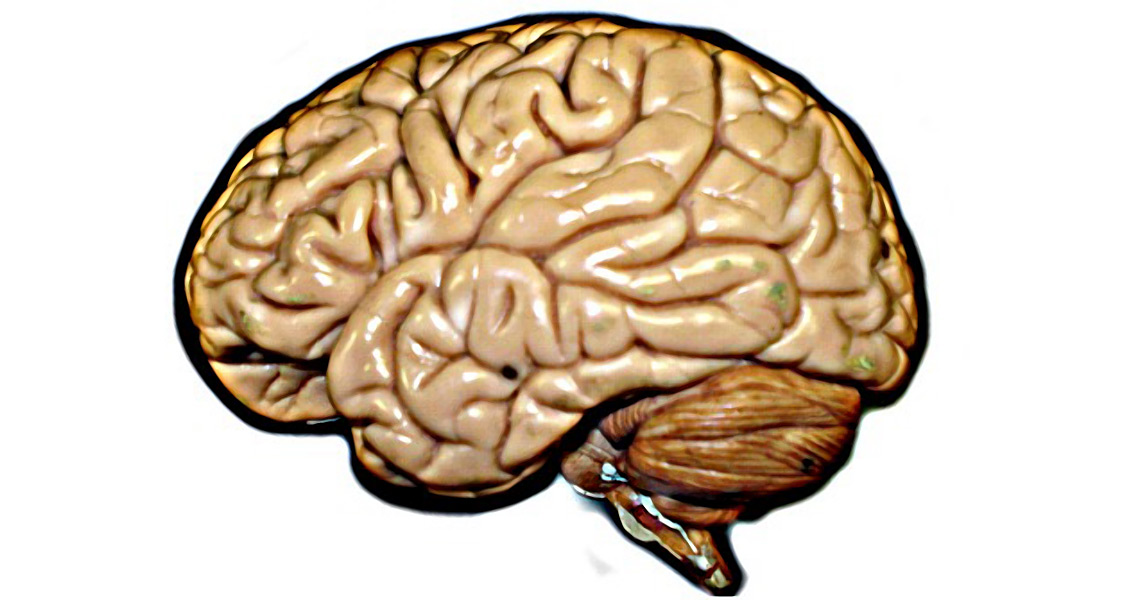
United Press International, a new research study has revealed how a variant of the gene known as apolipoprotein E (ApoE), long linked to higher risks of cardiovascular disease and cognitive decay in modern urban populations, is likely to have a beneficial, protective effect on non-urban communities in infectious environments. To reach their conclusion, scientists from Arizona State University visited communities in the Amazon to research the impact of the ApoE gene – the first time such a population has been involved in a study of this gene. The study’s lead author, assistant professor Ben Trumble said that studying the Tsimane, an Amazonian community of foragers, presented opportunities to see how the ApoE4 allele would have affected humans in our past, well before industrial development. The tropical environment that the Tsimane live in, which features little in the way of sanitation, electricity, or running water, and a high level of exposure to pathogens and parasites that attack cognition, is akin to the kinds of conditions the earliest of modern humans would have faced, Trumble pointed out. This made the Tsimane an ideal population to study for the effect APoE4 would have had in antiquity. The project subjected many Tsimane community members to a seven-part medical exam and cognitive assessment. The results showed a clear correlation between ApoE4 and cognitive function during parasite infection. ApoE4 carriers within the community that were also infected with parasites demonstrated improved or steady cognitive function. Those without the ApoE4 gene, but who had similar levels of parasite exposure, showed reduced cognition in comparison. Meanwhile, ApoE4 carriers among the Tsimane that had low levels of parasite infections had no protection against cognitive decline. In fact, their rates were similar to those seen in urban, industrialized regions, leaving Trumble to remark that it’s obvious genetic mutations like ApoE4 may help humans survive in more hazardous environments or time periods, but in post-industrial times, which are obviously much more relatively sterile and safe, these same genetic mutations can become a liability. This presents a conundrum – individuals that carry the ApoE4 gene are the descendants of individuals who likely needed the mutation to survive in the face of high levels of parasitic infection. Now that many post-industrial societies have grown beyond the need for such genetic protections, the mutation that once kept their ancestors’ minds safe from cognitive decay might end up causing it – a lesson in irony, to say the least. More research into ApoE4 is being conducted to broaden modern science’s understanding of the gene. Some studies have already shown that APoE4 carriers may benefit from heightened childhood development and protections against some infections like hepatitis and giardia. The research study, appearing in the journal of the Federation of American Societies for Experimental Biology (FASEB), can be found online here]]>
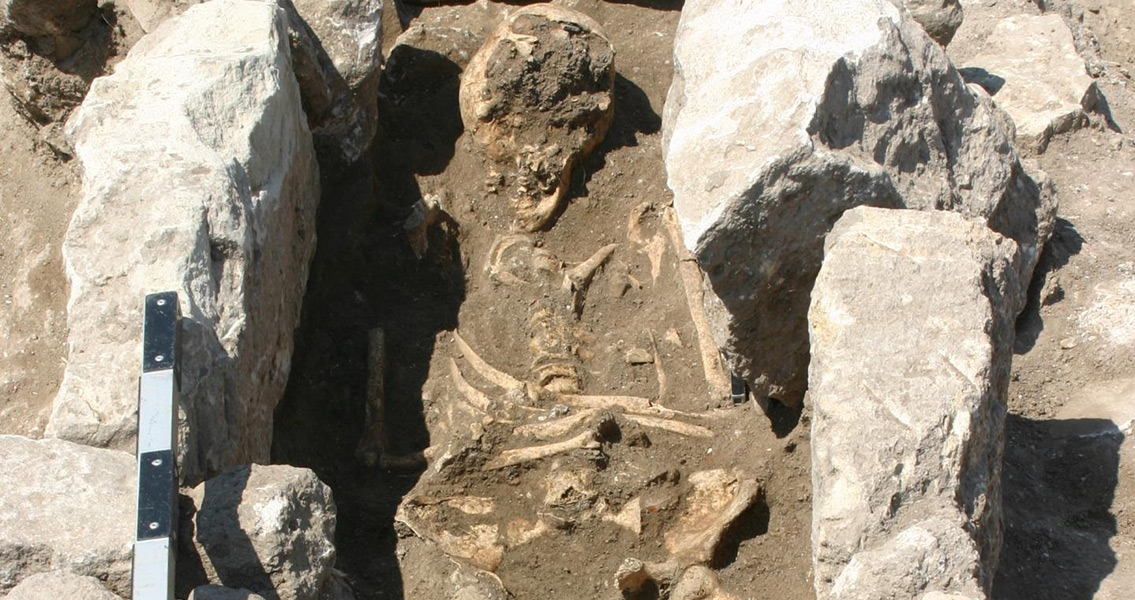
Lincolnshire Live: “What makes this a really interesting burial is the fact that they have been buried on their front. But there’s something else that really makes it special. You see how narrow it is in the grave. It’s about 25cm between the shoulders, it’s really crammed together.” The incredible discovery featured in an episode of Digging for Britain, presented by Anthropologist Professor Alice Roberts. Professor Roberts described the burial of a Christian person in this fashion as “bizarre”, adding, “What we can say for definite is it was buried after the body had started to decompose. The limbs have started to fall away from the rest of the body, but great care has been made to try to put the body back.” Dr. Willmott is quoted by Lincolnshire Live as saying: “A great deal of care has been taken in this burial. So this could be an individual who perhaps has died away from the site and been brought here to be interred here specially. There are stories of the bodies of kings being moved. And of course saints and holy people. So there could be something like that going on here, which suggests Little Carlton was a place of great importance.” The unusual skeleton was just the first of many rare and intriguing finds, including writing tools, approximately 300 clothing pins, a large number of coins dating to the seventh and eighth centuries called Sceattas, a lead tablet with the faint, but still legible word Cudberg (an Anglo-Saxon woman’s name) on it, and glassware that suggested the inhabitants traded with the European mainland. Another rare find in Britain, an iron manacle, was also found, suggesting the site was the location of a slave-trade operation or slaves were owned by the occupants. Additionally, a pair of tweezers commonly used to turn book pages were recovered and may have been used by Christian monks as they read religious manuscripts. Today the site is completely surrounded by dry land, however, it’s believed that in the past the site would have been surrounded by water, and that it was probably occupied by either a trading post or monastery within the Anglo-Saxon Kingdom of Lindsey. The settlement also produced woven textiles that were exported to northern Europe, while German pottery and wine were imported from the mainland. Bizarrely, there is no record of the settlement ever existing. It’s believed that it was abandoned when the Viking raids in England started in the later part of the eighth century, and there was no trace of it ever being there by the time the Domesday Book (a survey of England and areas in Wales) was completed in 1086. Images of the burial can be found at Lincolnshire Live ]]>