Categories
Plague May Be Older Than Mankind

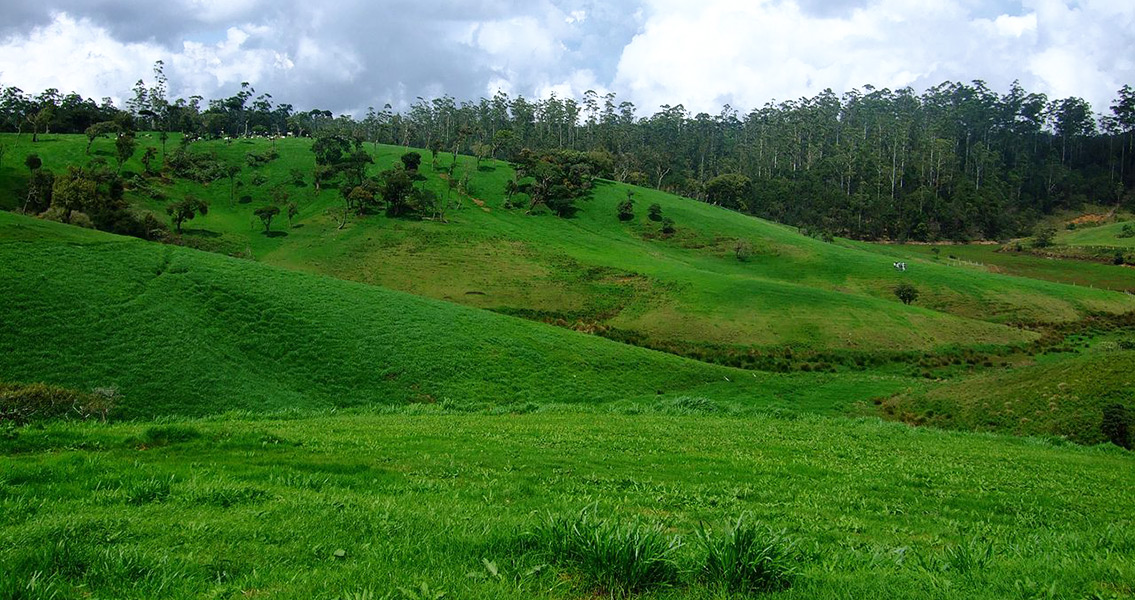
Australopithecus afarensis diversified their diet, are important, because the dietary shift was directly linked to bipedalism and a better adaptability. When the first primates emerged on the evolutionary scene, they were pretty much tree-bound, which meant they were also bound to a certain limited number of habitats. By learning to walk on the ground, and upright at that, their hominin heirs gained access to more food sources and could move over greater distances, which meant they could survive and thrive in more diverse habitats than their ancestors. It is possible that climate change had a role to play in the dietary changes they observed, but the authors of the study report that they were unable to establish such a link firmly, instead suggesting that the emergence of new primate species was an important factor as it changed the ecology of the already existing primate communities. One of these new species was the now extinct baboon Theropithecus oswaldi, which joined the primate community around 3.76 million years ago, around the time the dietary change started to take place. It is with relation to these primates that Levin’s team found something very interesting. It appears that these large baboons started eating grass and grass-based foods before their teeth changed shape to be more suitable for grazing. This shape change only happened after they learned to walk on the ground. Study co-author Johannes Haile-Selassie from the Cleveland Museum of National History told Heritage Daily that the results “indicate that form does not always precede function. In the earliest baboons, dietary shift toward grass occurred before its teeth were specialized for grazing.” For more information: “Dietary change among hominins and cercopithecids in Ethiopia during the early Pliocene” Image courtesy of Wikimedia Commons user: Rehman Abubakr ]]>
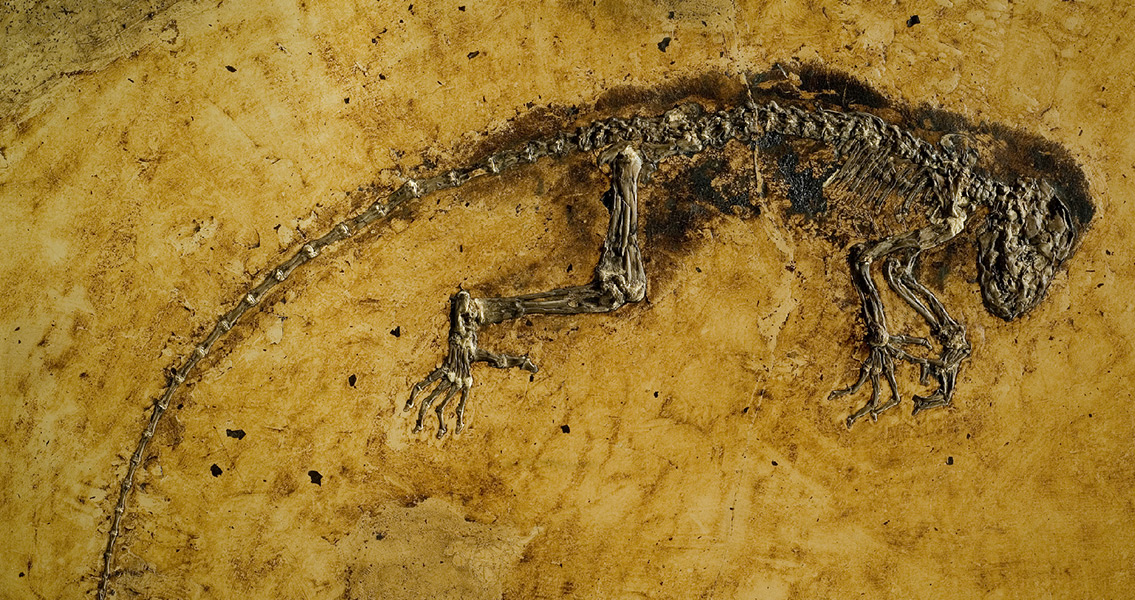
Darwinus masillae fossil has more in common with modern lemurs than previously thought. University of Toronto PhD student Sergi López-Torres along with Associate Professors Mary Silcox and Michael Schillaci, designed a model to understand how Darwinius developed. Using this new model, they were able to reexamine the standard interpretation of Darwinius masillae‘s place in the evolution of primates. Discovered in Messel Pit, Germany, in 2009, the fossilised remains of the deceased primate were nicknamed Ida, and represented the first example of a previously unknown genus. One of the most completely preserved fossils ever found, it is possible to see almost every bone in the skeleton, as well as outlines of skin and fur, and the contents from the creatures last meal. Darwinius masillae lived about 47 million years ago during the Eocene period. The fossil is of an immature female, measuring about 58 cm in length (including the tail). Like most primates she had opposable big toes, and the fingers and toes had nails instead of claws. The 95% complete fossil has become a crucial source of information for scientists about the Eocene period. The University of Toronto researchers compared the sequence by which adult teeth came in – dental eruption – in Darwinius with that of other primates. The fact that the Darwinius fossil is of such a young creature made it easier for the researchers to map the eruption of its teeth. “Every species has a particular pattern by which their teeth come in and this allows us to estimate the age of fossils that died before their adult teeth could emerge”, Lope-Torres said in a University of Toronto press release. “It seems that the pattern of dental eruption for Darwinius is more similar to that of lemurs than to that of monkeys.” To begin the study, Lopez -Torres undertook a comprehensive analysis of 97 living and fossilised extinct primates to form a better idea of the patterns of dental development between different species of primate. He discovered that the three most primitive primate ancestors; the ancestor of apes, monkeys and tarsiers; the ancestor to lemurs and lorises; and the common ancestor to all primates – all had the same eruption sequence of their teeth. This pattern was similar to the eruption sequence found in the Darwinius fossil. The key to concluding that Darwinius was closer to lemurs than the other groups came in the eruption of the third molar. “The major difference is we found that anthropoids (ancestors to monkeys, apes and humans) are characterized by a late eruption of the third molar, which is something Darwinius clearly doesn’t show.” Darwinius has developed into something of a controversial species since its initial discovery, with a variety of interpretations having been made of its role in evolution. The team who found the fossil concluded that it was closely related to haplorrhines, and in particular anthropoids, having used a modern squirrel monkey as a model to study it. Subsequent researchers have argued that it is more likely a strepsirrhine species, the species that includes lemurs. The new researchers don’t completely support that hypothesis, but they do believe that the nature of Darwinius’ third molar discounts the anthropoid theory. Image courtesy of Wikimedia Commons user: Jens L. Franzen, Philip D. Gingerich, Jörg Habersetzer1, Jørn H. Hurum, Wighart von Koenigswald, B. Holly Smith]]>

A. sediba remains, has confirmed previous research that the species it belongs to, known as Papio angusticeps, has a close relationship to modern baboon species living today. In fact, P. angusticeps might actually be one of the very first members of Papio hamadryas, the modern monkey species known as the hamadryas baboon. Modern baboon populations are routinely divided into several different groups, most commonly referred to as separate species or subspecies, throughout large swathes of sub-Saharan Africa. These modern baboons have also spread into the Arabian Peninsula, easily making them one of the biggest evolutionary success stories of the primate world. However, there are plenty of questions about the origins of modern baboon species when it comes to examples in the fossil record. Dr. Gilbert says that modern baboons had been thought to have diverged from their closest evolutionary relatives between 1.8 million and 2.2 million years in the past, but evidence in the form of fossil specimens had been rare to nonexistent until this latest find. The scientist added that the Malapa specimen, in conjunction with the analysis conducted by the research team, lends credence to the possibility that early P. hamadrayas fossils might have been incorrectly categorized by earlier researchers as P. angusticeps – especially in light of how modern baboon anatomy seems to be consistent with that of P. angusticeps – to the point where experts would be hard-pressed to differentiate ancient specimens from the bones of modern baboons hailing from South and East Africa. For more information: www.journals.plos.org Image courtesy of Wikimedia Commons user: RADION Imaginery / Kamil Wence]]>


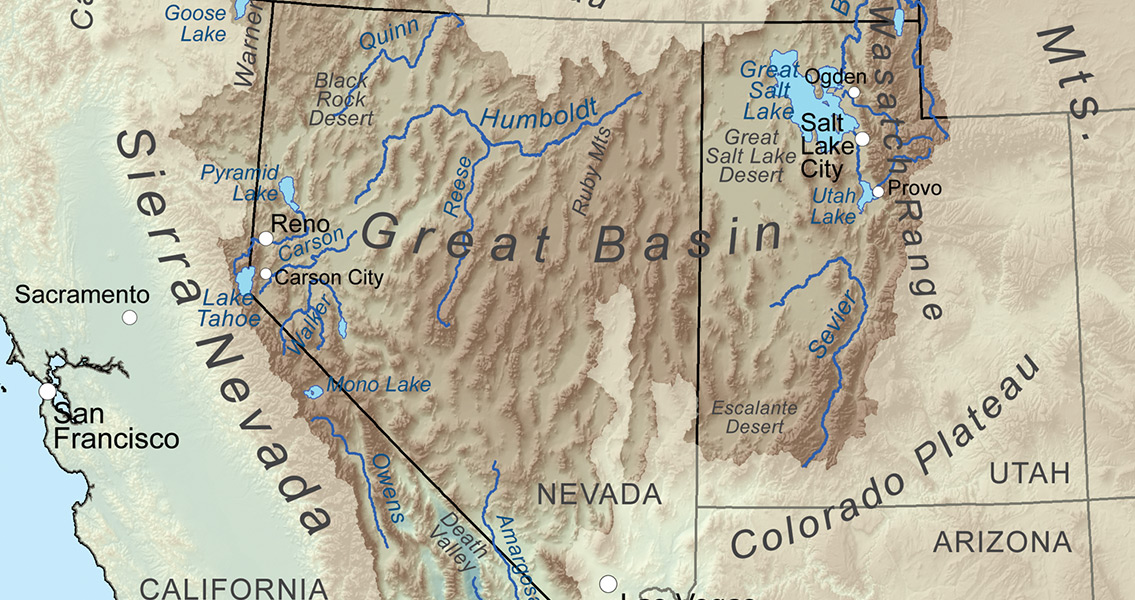
www.pnas.org Image courtesy of Wikimedia Commons user: Great Basin]]>

Eocyathispongia qiania. The information provided through these methods was sufficient for the team to determine that the fossil had a number of characteristics in common with sponges from the Cambrian, characteristics that were until now thought to have only emerged during the explosion period. Bottjer told Phys.org that the sponge had already developed “fundamental sponge traits” 60 million years before the beginning of the Cambrian explosion, which meant that the majority of “developmental genes” for sponges were already present at the time. The obvious implication is that evolution was more gradual than believed, causing a rethink of the dating of early animal evolution. What’s perhaps even more fascinating is that the genes in the sponge fossil are present to this day in a variety of animals up to and including us humans. Bottjer added that in the future, the relatively new discipline of palaeogenomics will come to play an increasingly prominent role in research thanks to modern technology. Palaeogenomics focuses on the evolution of genes, determining when this or that gene first appeared in an organism. Until now, the fossil record came from bigger animals, but with SEM and synchrotron microscopy, it is likely that a host of previously unknown stages in evolution will be revealed. For more information: “Sponge grade body fossil with cellular resolution dating 60 Myr before the Cambrian” ]]>
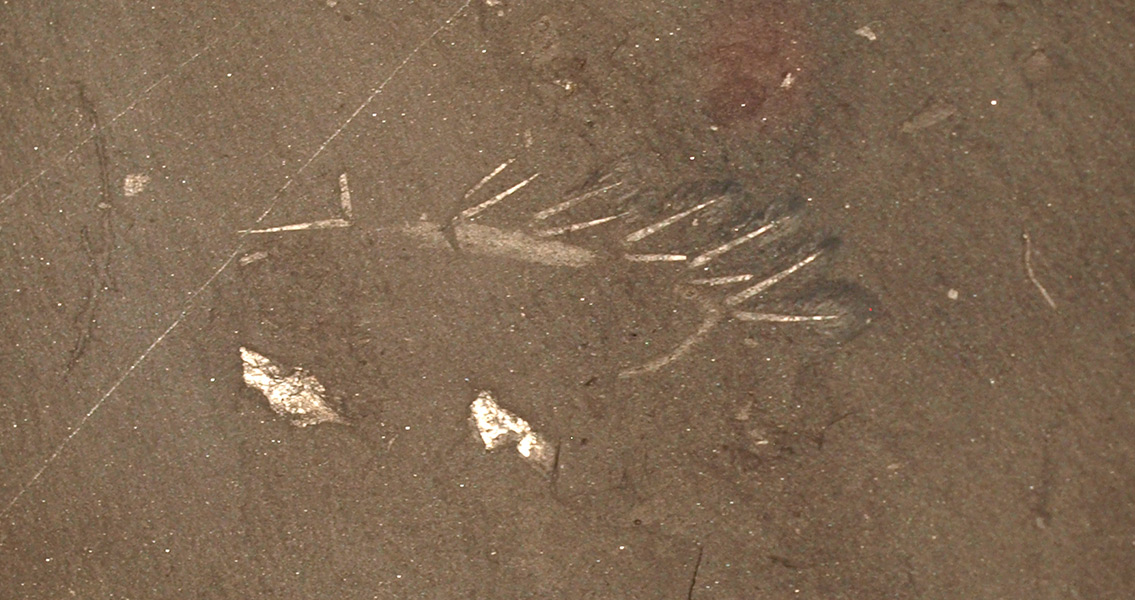
Hallucigenia sparsa, a marine worm that lived some 500 million years in the past during the Cambrian period, has proven to be a tough nut to crack based on what it left behind in the fossil record. Originally discovered in the 1970s, the spiny, 15-millimeter long worm left such strange impressions in its fossilized form that for decades researchers thought that its spines were actually its legs. While the scientific community eventually managed to figure out which side of H. sparsa was up, there was one last problem related to its study – no one could figure out which end was the front. A new research study into the diminutive, worm like marine animal has not only identified the creature’s front end from the back, it has also revealed the unique characteristics of its face. According to paleontology and evolution researcher Martin Smith from the University of Cambridge, the co-author of the study, while the research team expected to at least find a pair of eyes under the microscope they also found a “grinning” mouth lined with sharp teeth. Additional teeth were found lining the interior of H. sparsa’s mouth, angled backwards to direct food deeper into the creature to begin digestion. In an interview with Live Science, Smith said that the circular, toothy mouth of H. sparsa might end up being an evolutionary link to modern species such as nematodes, spiders and tardigrades. “You look at a spider today, and you would have no idea, but actually, its simple mouth used to be much more complicated,” Smith remarked, pointing to the more complex mouth of H. sparsa. The fossils that Smith and his colleagues used to make the discovery were sourced from Canada’s Burgess Shale, located in the mountainous terrain of British Columbia. The rock formation is noteworthy for harboring some of the most well-preserved examples of fossilized intact soft tissue and is one of the oldest fossil beds in the world where soft tissue fossils can be found. Several dozen H. sparsa specimens were examined by researchers as they carefully chipped away at the shale surrounding the ends of the fossils with the help of a micro-engraving tool. Once the specimens had been cleaned sufficiently, they were placed under a microscope for further study, which is when the eerie “smile” of the creature was revealed. While the proper end of H. sparsa has finally been revealed, there is still speculation as to what it actually ate. Smith suggests that the marine creatures could have been filter feeders, using their two long front limbs like tentacles to pluck detritus from the water. Another possibility is that H. sparsa used its legs to latch on to sponges and attach its lamprey-like mouth to feed. For more information: www.nature.com Image courtesy of Wikimedia Commons user: Captmondo]]>
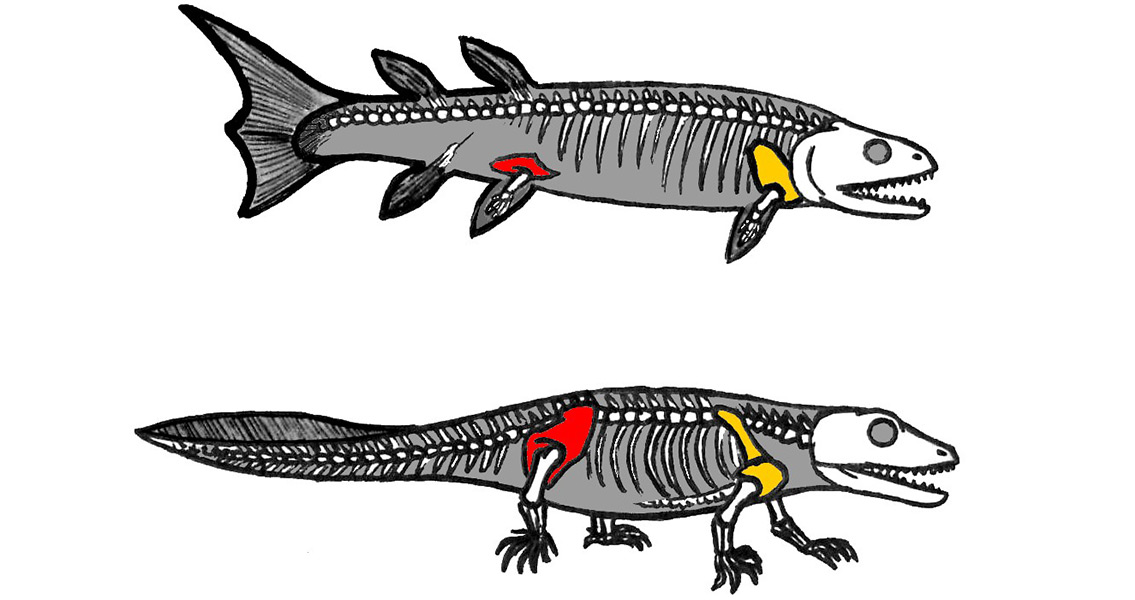
www.journals.plosone.org Image courtesy of Wikimedia Commons user:Conty]]>