Categories
Breaking News

Could Site “X” Mark the Location of the Lost Colony?

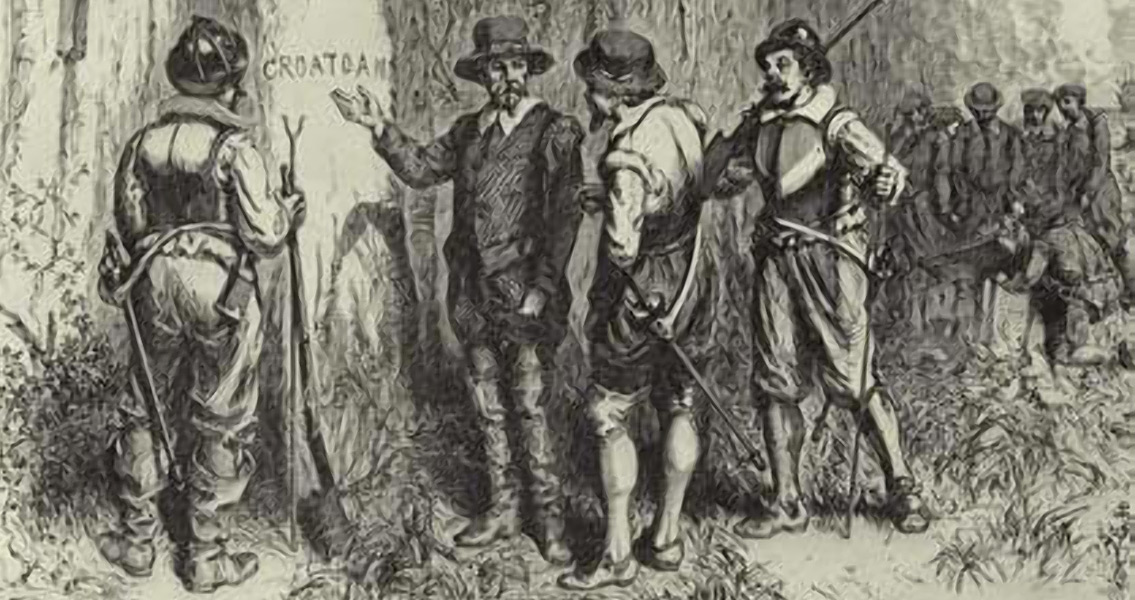
Virginian-Pilot that the findings may not offer definitive proof that the Lost Colony settled there, but they do show, at a minimum, that they could have; adding that there are numerous time periods represented at the Bertie site (renamed for the county it’s located in). Another critical piece of the puzzle is a map of the area drawn by fellow explorer John Smith, in the 1850’s, which is preserved at the British Museum in London, where researchers found the symbol of a fort underneath a repair patch – the symbol indicates a fort in the same location as the artifacts. Additionally, prior to leaving for England, White had instructed the colonists to “remove 50 miles into the main.” The Bertie site is approximately 57 miles from Roanoke Island. Years later, after the establishment of Jamestown, where White also had a significant role, a search party was sent south to look for the colonists. The party never arrived at the Bertie site, due to ongoing conflicts with the Native Americans in the area. During his time at Roanoke Island, Smith produced a number of maps and watercolor sketches of native Algonkin peoples and the surrounding landscape, considered to be the most informative drawings of the Native American culture in the region. The surviving watercolors are stored at the British Museum. White never fully recovered from the loss of the Roanoke colony, and he would never return to the New World. The excavation efforts haven’t unearthed any evidence of an actual fort, as the map showed, only evidence of a small number of early English settlers. Mysteriously however, Swindell is quoted in the Virginian-Pilot as saying, “We have new clues, that’s all we can say, there are new clues.” ]]>

Categories
Breaking News

Dinosaur Extinction Tied to Prehistoric Oil Spill

Scientific Reports. ]]>

Categories
Breaking News

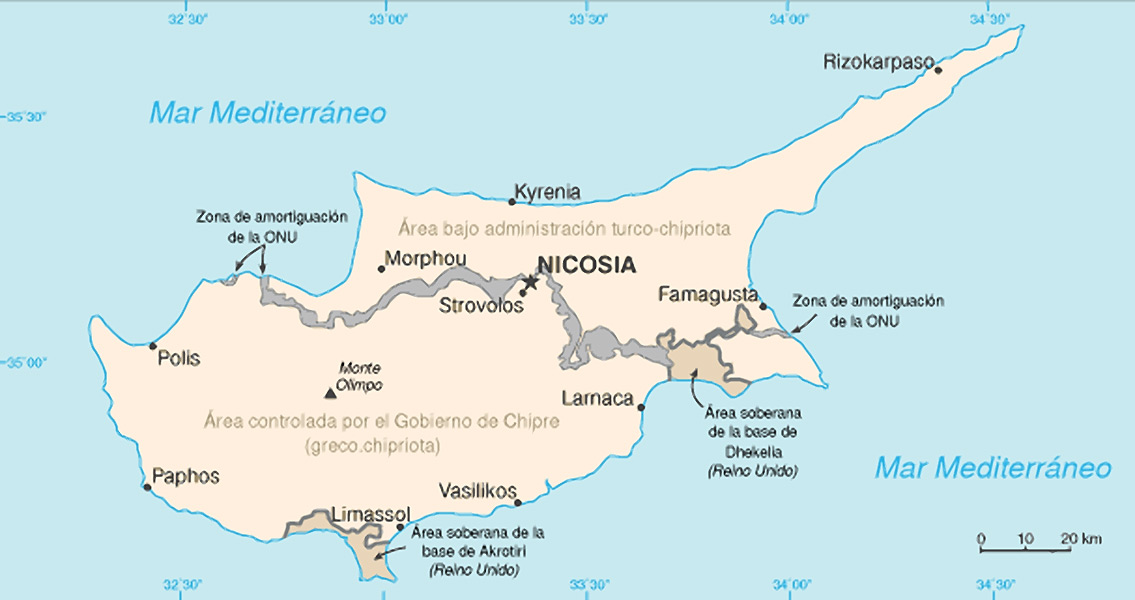
Archaeologists Discover Early Neolithic Village on Cyprus

Categories
Breaking News

Useful or Not, T. Rex-Like Limbs May Have Evolved Numerous Times

T. rex and G. shinyae had such disproportionate forearms remains a mystery. The function of such seemingly useless forelimbs has perplexed experts and amateurs alike. An initial theory was that T. rex used its arms to hold a mate, others have suggested the arms were used to hold prey in place, (an earlier study hypothesized the arms were capable of maneuvering more than 400 pounds) or to help itself stand up – assuming the dinosaur ever sat. The current theory is that these short forelimbs were, in actuality, totally useless. Researchers are hopeful that learning how these shortened forelimbs evolved may help solve the puzzle. The study has been published in the journal PLOS ONE. ]]>

Categories
Breaking News

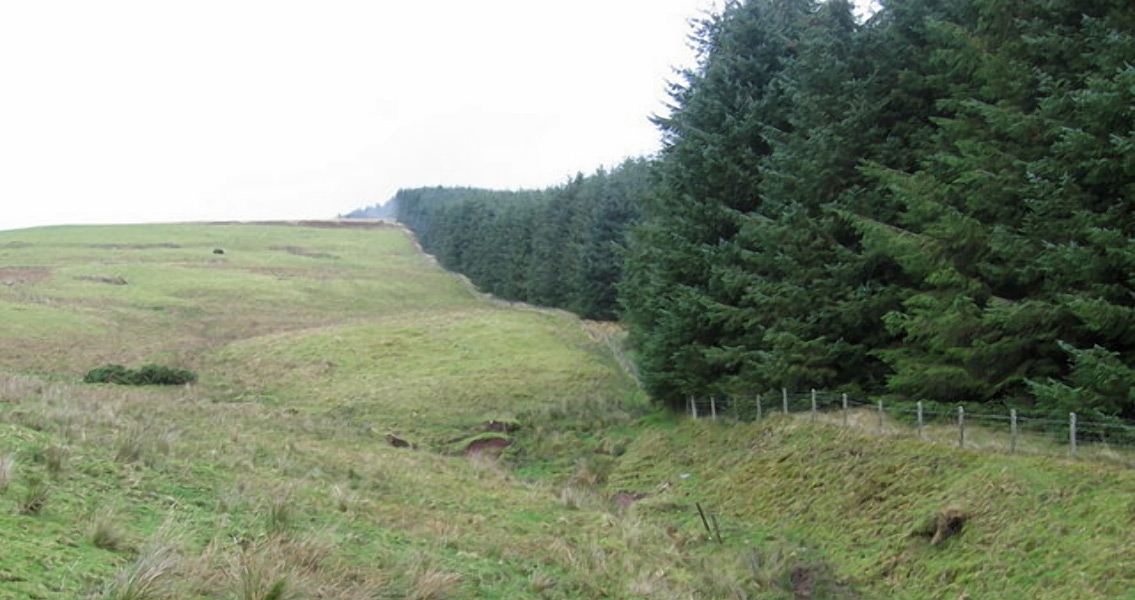
Archaeologists Find Evidence of Scotland’s Earliest Farmers

The Courier, “Evidence for ploughing and fields in Neolithic Britain is incredibly rare and so the excavation of the ard marks at Wellhill is a very significant discovery that suggests a farming economy had taken hold in this location only a few generations after farming began in Britain around 4000BC. This is an amazing insight into the lives of Scotland’s first farmers.” Additional radiocarbon dating of the pit sites shows that they may actually date back even further, into the eighth millennium BCE, meaning they’re providing evidence of the very first Mesolithic events in the lowlands of Kinross and Perth. Dr. Rebecca Jones, with Historic Environment Scotland, is quoted in The Courier as saying, “These are very significant discoveries for archaeology in Scotland and even further afield, which is thanks mainly to the endeavors of the principle excavator, Dr. Dene Wright, who recognized the potential of these astonishingly early settlements, which were then confirmed via radiocarbon dating.” Historic Environment Scotland is a public body that was established to investigate, preserve and promote Scotland’s historic monuments and structures. They are responsible for approximately 300 historically significant properties, including Edinburgh Castle. In total, these sites receive over 3 million visitors annually. The organization is also responsible for a variety of collections, including over 5 million drawings, manuscripts, and photographs, in addition to 20 million aerial images of sites around the world. The SERF project has received an archaeology grant from Historic Environment Scotland to complete excavation, geophysical surveys, reporting and archival research. ]]>

Categories
Breaking News

New Research Shows Homo Erectus Shared Modern Human Qualities

Homo erectus in northern Kenya have provided experts from the Max Planck Institute for Evolutionary Anthropology in Leipzig a unique opportunity to study and understand the modern human ancestor’s movement patterns and social structure, using data that relates directly to their dynamic behaviors. Utilizing innovative analytical techniques, the team have been able to demonstrate that the H. erectus footprints have preserved evidence showing a walking style similar to that of modern humans, as well as a group structure that is also consistent with the social behaviors of humans. Habitual bipedal movement is a defining feature separating modern humans and other primates, and the evolution of this behavior within our clade would’ve had profound effects on our early ancestors’ biology. How and when a bipedal, human-like gait first emerged in hominins has long been debated, largely due to disagreements over how to infer biomechanics from skeletal remains. Additionally, certain characteristics of group structure and social behaviors which distinguish other primates and humans were believed to have emerged as a result of important evolutionary events, yet there’s no agreement on how to detect indications of group behavior through archeological or fossil records. Following the 2009 discovery of hominin footprints, found to be 1.5 million years old, near Ileret, Kenya; continued work in the region by the team from Max Planck led to the discovery of hominin trace fossils of unprecedented size for this time period, including five separate sites with a total of 97 preserved tracks that were created by a minimum of 20 Homo erectus individuals. Using an experimental method, the researchers have learned that the shapes of the footprints are indistinguishable from the shape of those of modern people who are habitually barefoot, and most likely reflect similar foot mechanics and anatomies. “Our analyses of these footprints provide some of the only direct evidence to support the common assumption that at least one of our fossil relatives at 1.5 million years ago walked in much the same way as we do today,” Kevin Hatala, with the Max Planck Institute for Evolutionary Anthropology and The George Washington University, said in materials from the Institute. Based on experimental approximations of body mass using the hominin tracks from Ileret, the team has also inferred the genders of numerous individuals who walked across these surfaces and, for the two largest excavated surfaces they have developed hypotheses in regard to the social structure of the H. erectus groups. At each of these two sites evidence exists of several adult males, which implies a certain degree of tolerance and even cooperation among them. Male cooperation underlies a variety of social behaviors which separate modern humans from other primates. “It isn’t shocking that we find evidence of mutual tolerance and perhaps cooperation between males in a hominin that lived 1.5 million years ago, especially Homo erectus, but this is our first chance to see what appears to be a direct glimpse of this behavioral dynamic in deep time,” Hatala said in the press release from the Institute. ]]>

Categories
Breaking News

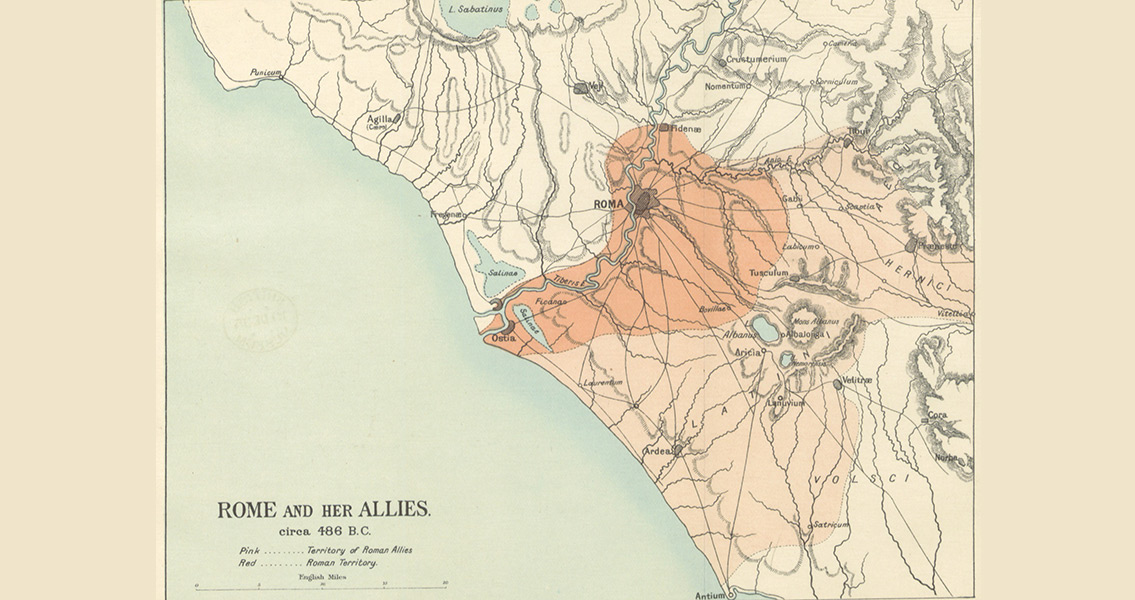
Bath Houses and Tombs Uncovered at Roman Building Site

The Local, the bodies consisted of lower class, working Romans, all of whom had lived modest lives and all of whom had died between the ages of 20 and 40-years-old. Earlier studies have shown that the average working Roman who lived 2000 years ago suffered a variety of health issues and seldom lived past 30 years of age. Skeletons exhumed over the past 15 years in conjunction with other construction work have revealed the brutal reality of a worker’s life in ancient Rome, whose skeletons display high occurrences of fractured and broken bones, bone cancer and chronic arthritis, brought about by the extreme working conditions at the time. The common injuries faced by ancient lower-class Romans between the first and third century CE also included broken hand bones, noses and collar bones. However, the ancient inhabitants of Rome were also adept at treating these injuries, developing effective solutions that allowed them to keep working years after sustaining even severe injuries. Although effective, it seems they weren’t pretty – Roman doctors simply placed a wooden cage over the broken bone, immobilizing it until the pieces eventually fused themselves together. Aside from the absence of workplace safety laws, studies have also highlighted the long hours of back-breaking labor endured by workers, with chronic arthritis in the back, knees and shoulders found in the skeletons of those who were only 20 when they died. It goes without saying that the life of the average worker in Rome stands in stark contrast to the good health the city’s elite enjoyed. ]]>

Categories
Breaking News

Archaeologists Discover the Deformed Skeleton of Mesoamerican Woman

Categories
Breaking News

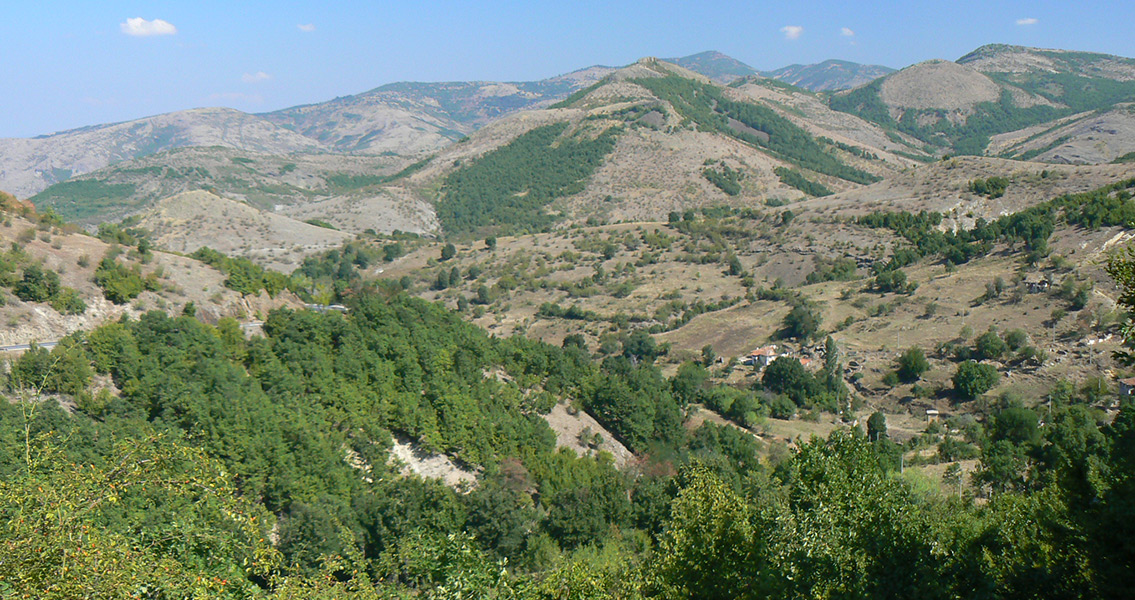
Mythology Comes to Life in Bulgarian Rock Grave

Archaeology of Bulgaria as Hellenistic period body and head adornments, with 11 rings that bear the images of ancient deities like Nike, the victory goddess. Archaeologists also found a silver coin used in the ancient Greek city of Maroneia, which was located on the coast of the Aegean Sea. The coin, a tetradrachm, was used as an obol, a coin which was ritually placed under the tongue of a deceased person as payment to the Charon, the mythical ferryman of Hades who transported the souls of the deceased across the rivers Acheron and Styx to the underworld. Several of the artifacts recovered from the grave are believed to have been produced in either Maroneia or other Greek cities along the Aegean coast, which is only 100 km away. Some however, were made in the prehistoric Thracian Odrysian Kingdom. The combination of imported and locally made items is believed to be evidence of the material culture enjoyed by these ancient people. The Thracians were actually a group of individual Indo-European tribes that inhabited a large region in southeastern Europe. It’s generally accepted that the Thracian people were in existence starting in the early Bronze Age. In Greek mythology, Thrax (also known as Thracian) was known as one of the sons of the god Ares. The excavations are being privately funded by businessman Alexander Mitushev, who made headlines last year when he purchased a Bronze Age archaeological artifact; a toy stork which could be the oldest children’s toy in Europe. An amateur archaeologist, Mitushev discovered a stone altar last year only 4 meters from the rock grave. ]]>

Categories
Breaking News

Scientists Able to Recreate the Brain of 17,000 year old Child

The Local, as the brain grows it applies pressure to the inside of the skull, which at this point in a child’s development is still very soft, allowing for an imprint of the particular pattern of crevices and ridges on the brain’s convoluted surface to be left on the inside. Computer technology, including 3D scanners, has been used to create an accurate 3D model of the ancient brain, giving paleontologists, anthropologists, and neuroscientists the unprecedented opportunity to make comparisons between the brains of a modern child and a young hunter-gatherer. For example, by looking at the stage of growth within different areas, like the language center, researchers will be able to determine how they developed. Around this age, modern 10-year olds begin exhibiting an increased attention span and the ability to complete detailed tasks, think logically and problem solve. This is the age when they begin to understand riddles, begin to collect things, show curiosity about how things work and care about fairness. By studying the specific areas of the brain that are responsible for social interaction, language and spatial coordination for example, researchers are hoping to learn more about the lives our ancient ancestors led. Grotta del Romito, (which translates as the Cave of Romito) dates back to the Palaeolithic and contains some of the oldest and most important evidence of prehistoric humans in Italy. To date, researchers have revealed a number of dwellings, ancient tombs and petroglyphs (which are 10,500 years old), all of which have contributed to what’s known of human history in Italy prior to the agricultural revolution. The Paleolithic era of human history is distinguishable by the development of the first and most primitive stone tools. It covers the time period from 2.6 million years ago until approximately 10,000 years ago. In another cave located near the site, which has been dated back to the Neolithic period, large quantities of obsidian have been found, leading researchers to theorize that the cave was an integral part of the obsidian trade between the Ionians and the Tyrrhenians. Excavations first began at Grotta del Romito in 1962, and are still in progress today across a variety of disciplines, including sedimentology, malacology, palynology, paleontology and archaeozoology and Paleontology. ]]>