Categories
Editorial

Chevalier d'Eon: Spy, Celebrity and Europe's First Transgender Person

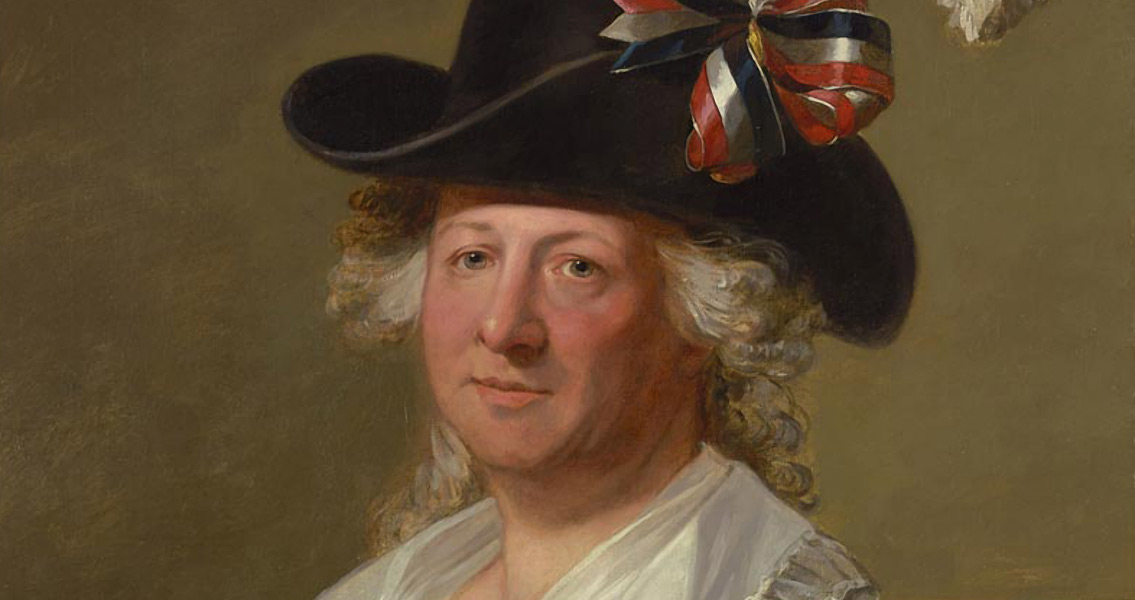
le Secret du Roi, “the King’s Secret”, a clandestine network of spies created by Louis XV in the 1740s. The King’s Secret’s first mission was to have Louis’ cousin, Prince Conti, placed on the Polish throne – thereby making the country a useful French satellite and ally in Eastern Europe. D’Eon was tasked with winning the support of Russian Empress Elizabeth, as well as promoting French interests in Russia more generally. Some biographies claim that d’Eon’s time in Russia also saw his first encounters with cross dressing. Empress Elizabeth held regular ‘drag balls’ where all attendants were obliged to arrive in a dress, regardless of their gender. When the Seven Years War erupted in 1756, d’Eon returned to France to serve as a dragoon in the French army before being appointed as a secretary to the French ambassador in 1762 as peace was secured between the warring nations. It was a role which would embroil d’Eon in all manner of geopolitical intrigue, as the French King looked for ways to gain revenge for the colonies France lost in the final treaty. As a member of the civil service d’Eon was employed as an ambassador in the British court. As a member of the King’s Secret he was tasked with scouting the British coast in preparation for a French invasion. D’Eon’s relationship with the French government deteriorated to the extent he threatened to reveal secret documents to the British. Several attempts were launched by French authorities to extradite d’Eon back home, some through diplomatic channels, others via force (D’Eon evaded kidnapping several times and was forced to live under armed guard). In 1764, he gave his first warning to the French authorities, publishing a book which contained all of his personal correspondence with the French royal family – embarrassing revelations which served to isolate him from France but win popularity in England. At the same time, rumours started to appear concerning D’Eon’s gender and habits. Some claimed he dressed as a woman, regularly buying ladies’ corsets for himself. D’Eon likely started some of these rumours, although others could have been created by his enemies to discredit him. Another story surfaced that he had actually been born a woman – it was common in this period for women to pretend to be men to gain entry into the army. Eventually, a deal was agreed between d’Eon and the French king. D’Eon would receive a lucrative pension from France and in exchange he would hand over all documents which could incriminate the French government. D’Eon would remain in London, exiled from France but still delivering reports for the King’s Secret. One final condition was included. D’Eon would have to officially declare a gender. In a remarkable turn, she elected to be known as a woman for the rest of her life. In 1777 she returned to France, the official story being d’Eon had been born a woman but raised a man by a father desperate for a son. Mademoiselle la Chevaliere d’Eon even had a formal unveiling in the French court, wearing an elaborate dress and make-up. Her life in France however, was a miserable one. D’Eon suddenly found herself a victim of the patriarchal society of the day. Politically her voice had been silenced, while attempts to rejoin the army were repeatedly blocked. Quickly she was forced into retirement, returning to England in 1785. A celebrity to the British public, d’Eon was nevertheless brought to near poverty when the French Revolution resulted in the cancellation of her pension. To make ends meet she began staging and taking part in fencing competitions, mesmerising the public as a ferocious woman sword fighter. Well into her sixties she continued the displays, until a serious injury forced her to retire. For the final years of her life d’Eon lived in virtual obscurity, lodging with an elderly woman in London and increasingly vanishing from the public eye. It was only when she passed away in 1810 that a mortician discovered Mademoiselle la Chevaliere d’Eon was biologically male. ]]>
Categories
Editorial

Jack the Ripper, Churchill's Dad and the Freemasons

Categories
Editorial

Trump's Wall Vs The Great Wall Of China, Hadrian's Wall & the Berlin Wall

The Great Wall of China Trump’s proposed wall would pale in comparison to the impressive Great Wall of China, which at its peak measured 13,170.7 miles (21,196.18 km) in length. Even today, what remains of the wall (5,500 miles, 8,851 km) is more than twice the length of the Mexican-US border. Consisting of a series of fortifications and connected walls, the Great Wall of China was first conceived in the third century BCE by Emperor Qin Shi Huang as a means of protecting the Chinese Empire from incursion by barbarian nomads. The most recognisable and well preserved section of the Great Wall was built centuries after the project began, during the Ming Dynasty from the fourteenth to the seventeenth century CE. Although still a powerful symbol of Chinese culture, the Great Wall of China ultimately failed to prevent invaders entering China. In the seventeenth century, Manchus from central and southern Manchuria broke through the wall, attacking Beijing and bringing about the end of the Ming Dynasty and the rise of the Qing Dynasty. Nevertheless, the wall still remains one of the most impressive architectural feats in history. Hadrian’s Wall For nearly 300 years Hadrian’s Wall marked the north-west frontier of the Roman Empire, affording it enormous symbolic as well as defensive importance. The wall’s construction was ordered by Roman Emperor Hadrian on his visit to Britain in 122 CE. At its peak it stretched over 73 miles, crossing northern Britain. The wall had a selection of small castles and towers at regular intervals along its length, meaning there were observation points every third of a mile. Much like the Great Wall of China, Hadrian’s Wall was built as a defensive measure to keep out nomadic tribes, in this instance the Picts of Scotland. In 180 CE, during a major war, a tribe from the north managed to cross over the wall, attacking a fort and killing the Roman general and troops stationed there. The attack likely led to changes in how the wall was manned and its defensive system, but it remained a prominent military installation throughout the Roman occupation of Britain. Following the Roman withdrawal in the fifth century however, Hadrian’s wall started to fall into disrepair, the stones used in its construction being quarried to build castles, churches and houses. The Berlin Wall The most short lived of the three walls, but perhaps the most traumatic for those affected by it. The Berlin Wall was a symbol of the Cold War, and a Europe divided into East and West. Measuring 87 miles long and around 3 metres high, it came to embody a huge cultural divide. In August 1961 the Communist Government of the German Democratic Republic started work on the barbed wire and concrete Antifascistischer Schutzwall (antifascist bulwark) between East and West Berlin. The GDR government claimed the wall was built to prevent ‘western fascists’ attempting to infiltrate East Germany’s socialist society, but in large part its creation was intended to stop the stream of migration west out of the Soviet Union. When completed, the wall embodied the separation of East and West Berlin. Travel between the two sides became virtually impossible, except for diplomats and officials who went through designated checkpoints – the most famous of which was Checkpoint Charlie. On 9th November 1989 the GDR announced that Berliners could once again cross the wall whenever they pleased. An ecstatic atmosphere descended on the city, citizens rushed to climb over the wall, or took pickaxes to it in an attempt to bring it down. 138 people were killed attempting to cross the Berlin Wall over the 28 years of its existence, either by being shot or through accidents associated with their attempts to evade the authorities. The three walls mentioned served their purposes with varying levels of success. Beyond their intended practical uses however, they are so well remembered for the symbolic barriers they represented. It is this that can perhaps provide the biggest insight into the proposed US-Mexico border wall.]]>

Categories
Editorial

King Tut, Neanderthals and Plague – The History News of 2016 (Part 2)

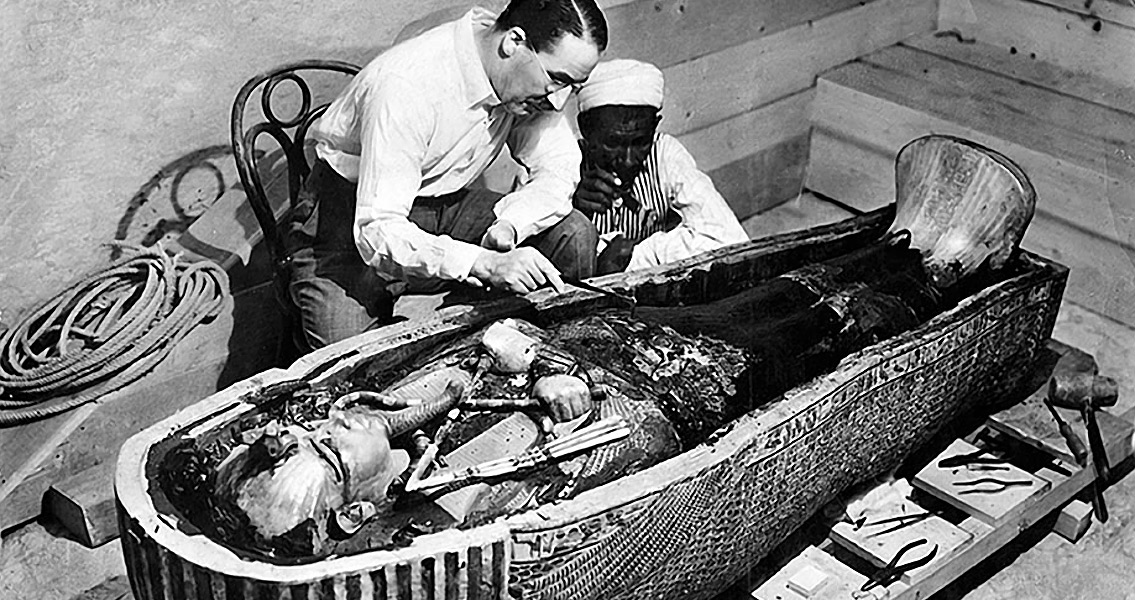
here. Controversy Surrounding King Tut’s Tomb One of the most bizarre stories of the year took place over a few months of the spring, and concerned the constantly fascinating tomb of Tutankhamun. In March, Egypt’s Antiquities Minister, Mamdouh Eldamaty, announced at a press conference that cutting edge radar scans had revealed the presence of hidden chambers in King Tutankhamun’s burial chamber. It was a revelation which sparked intrigue across the globe, as anyone with even the slightest interest in Egyptology began to speculate about what could still be hidden in the tomb of Ancient Egypt’s most famous Pharaoh. A few weeks later, doubts started to appear about the Egyptian Antiquities Ministry’s claims. Radar experts unconnected to the project started to question the findings, while others called for more evidence to be released to back up the claims and allow peer review. In May, the results of another series of scans were released, commissioned by National Geographic to verify the possibility of the existence of a hidden chamber. Announced at the Second Annual Tutankhamun Grand Egyptian Museum Conference in Cairo, the results of the second investigation suggested there was in fact no hidden chamber, directly contradicting the earlier study. The Egyptian Antiquities Authority is now carrying out additional scans in the hope of finding out once and for all if there are any more secrets to King Tut’s tomb. Just How Smart Were the Neanderthals? It’s a question that has been asked many times: just how similar are we to our closest extinct evolutionary cousins, the Neanderthals? For a long time the Neanderthals were considered to be primitive and unintelligent when compared to modern humans. Findings from 2016 however, brought that idea into question like never before. A study published in September added new fire to the long running debate over whether the Neanderthals were capable of creating jewellery. Almost since the moment they were discovered in central France half a century ago, a collection of prehistoric tiny, centimeter-long necklaces created from ivory, shells and animal teeth have been a source of contention among scientists who debate if the Neanderthals could have made the items. Using new research methods relying upon ancient proteins to date and identify bone fragments found at the site, researchers concluded that Neanderthals had lived there, supporting the idea they created the jewellery. Another study published in September carried out an in depth comparison between Neanderthal and modern human ears. The results of the pioneering research challenged the idea that Neanderthals would have only spoken in primitive grunts and groans, suggesting the possibility that Neanderthals had been capable of speech like modern humans. In December, a study from the University of Southampton revealed that Neanderthals had kept returning to the same coastal site on Jersey for a period of over 140,000 years. Through analysing stone tools, the study authors concluded that Neanderthals had kept making regular journeys back to the site for generations. The study raises interesting questions, firstly about what motivated the Neanderthals to keep returning to the site, but also about the extent to which they understood the geography around them – perhaps even some early form of mapping – to keep finding their way back there. What We Know, and What We Don’t About the History of Disease 2016 witnessed a series of shocking revelations and radical theories about the history of disease. In April, a startling study suggested that humans could have played a part in the extinction of Neanderthals by passing on a host of diseases, such as tapeworm, tuberculosis, stomach ulcers and types of herpes. The authors of the study argue that as humans left Africa, they exposed the Neanderthals to new diseases which their immune systems had not built any resistance to. Weakening the hunter-gatherer species, it would have made it harder for them to collect food, in turn causing communities to collapse. A study published in December made the shocking claim that smallpox is nowhere ear as ancient as often thought. Previously, it was believed that smallpox could be traced at least as far back as Ancient Egypt. However, a team of geneticists reconstructed the smallpox genome, based on DNA taken from the remains of victims in a crypt in Lithuania. They found that all strains of the disease had an ancestor from no further back than 1580. If true, the findings would cause a dramatic rewriting of history. Smallpox has been used by historians to explain millions of deaths and tragedies through the centuries, yet if it’s not as ancient as typically thought, such ideas will have to be rethought. Most significantly, the date of 1580 precludes the idea that the European colonisation of the Americas in the fifteenth century saw the devastating introduction of smallpox to the continent; resulting in millions of deaths for the indigenous populations. It was only in 2013 that scientists unequivocally proved that the bacteria Y.pestis played a role in both plague pandemics of the Middle Ages – the Plague of Justinian between the sixth and eighth centuries, and the second pandemic between the fourteenth and seventeenth centuries that peaked with the Black Death. A study published in January 2016 revealed that a single genotype of Y.pestis had persisted in Europe from the fourteenth to the seventeenth centuries. The findings suggest that the plague survived in Europe for three hundred years in as yet unidentified reservoir. In September, a new study reconstructed the bacterial genome responsible for the Plague of Justinian. The study found that the strain of Y.pestis responsible was far more diverse than previously thought, and also infected people far beyond the region historically documented. With plague reemerging in certain parts of the world, such studies have relevance beyond history. The greater our understanding of historical plague outbreaks, the better chance we have of combating it in the present. ]]>

Categories
Editorial

King Arthur, Romans and Etruscans – The History News of 2016 (Part 1)

Where History Met Legend The Arthurian legend has long captured imaginations, and one of the biggest stories of 2016 involved the discovery of the remains of a royal palace at the fabled birthplace of King Arthur. Tintagel, a thirteenth century castle in Cornwall, has long been associated with the legend of King Arthur, the site purpotedly the place of his birth. Ongoing digs at the site by the Cornwall Archaeological Unit uncovered a series of one metre thick walls dating to the sixth century. The team behind the discovery believes these walls were part of a palace that was once part of Dumnonia, an ancient kingdom in the south-west of England. In excess of 150 glass and pottery fragments were also discovered at the site, suggesting its inhabitants were rather wealthy. If the findings are indeed evidence of a sixth century royal palace, it could fundamentally change our understanding of Tintagel – one of the most important archaeological sites in Europe. New Roman Revelations 2016 unearthed a host of new information about the history of the Romans, a wealth of archeological finds and new studies challenging existing ideas about life in the Roman Empire. In July, the discovery of a Roman settlement in the village of Ipplepen in the UK expanded the western boundaries of the Roman Empire by 20 miles. Archaeologists working on the Ipplepen Archaeological Project unearthed large amounts of pottery at the site, that had been made across the Roman Empire and imported to Britain, highlighting the extensive trade networks that connected the far corners of the empire. http://www.newhistorian.com/discovery-devon-expands-boundary-roman-rule-britain/6732/ In September, the callous image of the Roman family was challenged. For years, the discovery of the bones of tiny children at Roman cemeteries around Britain has been considered evidence of the widespread practice of infanticide among the ancient Romans. Using innovative new methods however, researchers from the Natural History Museum, Museum of London and Durham University were able to show that in fact many of these remains were those of stillborn children. Although not completely ruling out the practice of infanticide, the findings suggest it may not have been as widespread as previously believed. At the start of the year, a study published in the open access journal PLOS ONE provided the first hard proof that migrants from across the empire had made their way to settle in Rome itself. Janet Montgomery from the UK’s Durham University and Kristina Kilgrove from the US-based University of West Florida carried out isotope analysis on over a hundred sets of remains dating to the first through third centuries and excavated from Roman cemeteries. They found that many of the individuals studied had migrated to the Imperial capital from the Alps and North Africa. Fresh Insights Into a Mysterious Culture The Etruscans are one of the most fascinating yet mysterious ancient civilisations. The pre-Roman Italian culture had its origins around 700 BCE, and lasted until its eventual absorption into the Roman Empire in the fourth century BCE. Clearly a powerful, sophisticated people, little is known about the Etruscans, but in 2016 some tantalising clues into their lives were revealed. In March, archaeologists announced the discovery of a new religious text inscribed on an ancient piece of sandstone. Dated to the sixth century BCE, it is an incredible rarity due to the fact that most Etruscan texts found to date tend to focus on funerary practices. As the 500 pound slab is analysed, archaeologists hope to glean new information about Etruscan religion and expand their knowledge of the language of the ancient civilisation. Preliminary translations of the stone slab have already revealed the name of a pivotal Etruscan fertility deity – Uni. The discovery of an Etruscan gravesite in November pointed to a darker side to the early civilisation. It was found that the man interred in the 2,500 year old grave site had been shackled around the neck and ankles. It is believed that the man, aged between twenty and thirty, had died while wearing the chains. Often viewed as something of a benign, peaceful civilisation, the unusual burial adds to a growing body of evidence bringing that view into question. ]]>

Categories
Editorial

Herod: City Builder and Child Killer

Categories
Editorial

Jack the Ripper – Who Are The Suspects?

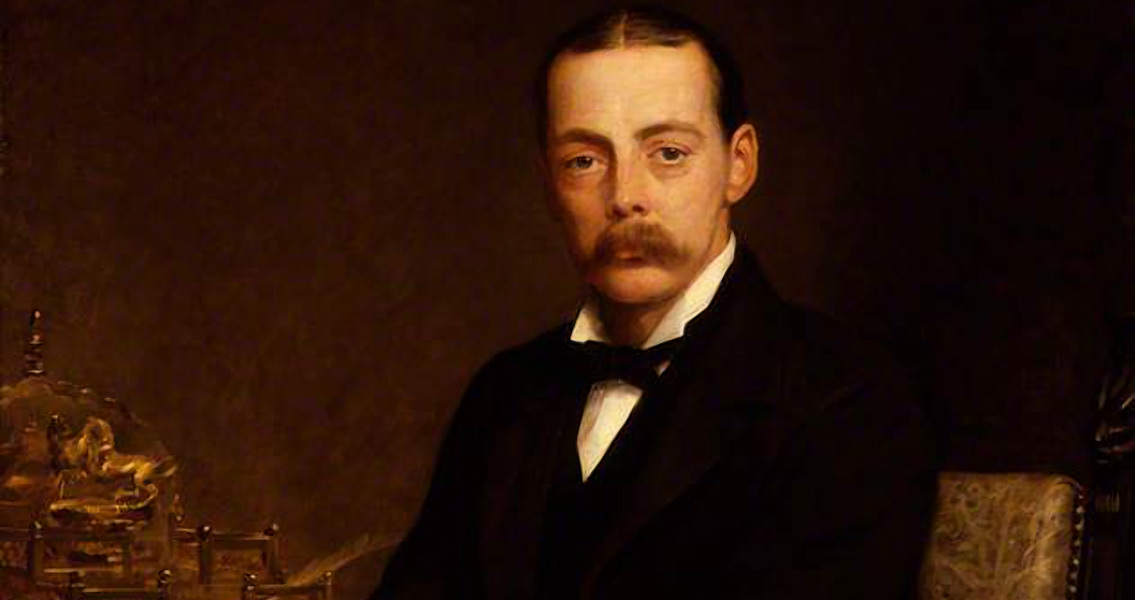
Montague John Druitt For many Druitt is the prime suspect, but the actual evidence linking him to the Whitechapel Murders is mainly circumstantial. From a privileged background, Druitt worked parallel jobs at the time of the murders, pursuing a career as a barrister while also working as the assistant master at a boarding school. Late in 1888 he committed suicide, shortly after the Ripper murders came to an end, a link some think is more than a coincidence. Druitt was at the top of the head of Scotland Yard, Melville Macnaghten’s list of subjects. As Macnaghten himself said in his memoirs: “From private information I have little doubt but that his own family suspected this man of being the Whitechapel murderer, it was alleged that he was sexually insane.” Sir William Gull One of the most well known although not necessarily the most likely suspects is Sir William Gull. Gull is implicated in one of the most well known Jack the Ripper movies: From Hell. The idea of his guilt is a particularly tantalising one because he was the physician of Queen Victoria herself. The idea of Gull being guilty perhaps appeals so much because of the web of intrigue it suggests. One elaborate conspiracy theory claims that Victoria’s son Albert Victor was a regular visitor to various East End brothels, some even claiming he was responsible for the pregnancy of Annie Crook. While Crook was sent to an asylum, Gull was supposedly sent to the streets of Whitechapel to kill all who knew of the affair. On the other hand, at the time of the killings Gull was in his seventies, perhaps making it unlikely he was the killer. Some even say that in the summer of 1888 he had suffered a series of strokes, a fact which if true would of course rule him out as the Ripper. Severin Antoniovich Klosowski aka George Chapman Klosowski had qualified as a junior surgeon in his native Poland before moving to London, where he gained work as an assistant hairdresser, the job he held in summer 1888. Unlike many of the other suspects, Klosowski was definitely a murderer, but not necessarily Jack the Ripper. In 1903 he was arrested and found guilty of having poisoned three of his former wives. Suspicions quickly arose in the press that he could have also been responsible for the Whitechapel Murders. Inspector Frederick Abberline, who had worked on the Ripper case, told the press in 1903 he believed Klosowski was the culprit. His reasoning included the fact the series of murders started shortly after Klosowski had arrived in England, while his surgical training was also considered possible proof. (Some say that the way the Ripper’s victims were mutilated could only have been done by a trained surgeon.) On the other hand, Klosowski’s other killings had all been poisonings rather than knife attacks, and his victims had all been women he was married too. Although the murders came to a stop shortly after the suspect moved to the United States, a similar spate of grisly crimes did not start there following his arrival. Francis Tumblety One of the more recently named suspects, it was only revealed in 1996 that Tumblety had been investigated by Scotland Yard. Tumblety was undoubtedly an unsavory character. A notorious quack, he’d made his fortune posing as a herb doctor in the United States and Canada. Perhaps most damningly, he had a reputation as an extreme misogynist with a particular hatred for prostitutes. Shockingly, he had been arrested for complicity in the Lincoln assassination (although he was released without charge.) In a 1913 press interview, Chief Inspector John Littlechild of the Metropolitan Police Service mentioned Tumblety was a suspect in the murders. There had also been rumours previously that the British police tried to extradite him from New York, although this was later denied by the NYPD. Little evidence exists linking him to the crime, while his distinct appearance (he was exceptionally tall with an outrageous mustache), would surely have made him stand out in any witness statements. There is no hard evidence to incriminate any of these four suspects, a pattern common among the more than 100 names linked with the grisly crimes. More than anything, the Jack the Ripper case highlights the limitations of police investigation in the late nineteenth century. A time when it was impossible to capture a serial killer, even one who was handwriting letters to the authorities.]]>

Categories
Editorial

The History of Advent: Romans, Calendars and President Eisenhower

Categories
Editorial

Detention Camps and Surveillance, Britain Responds to Mau Mau Uprising

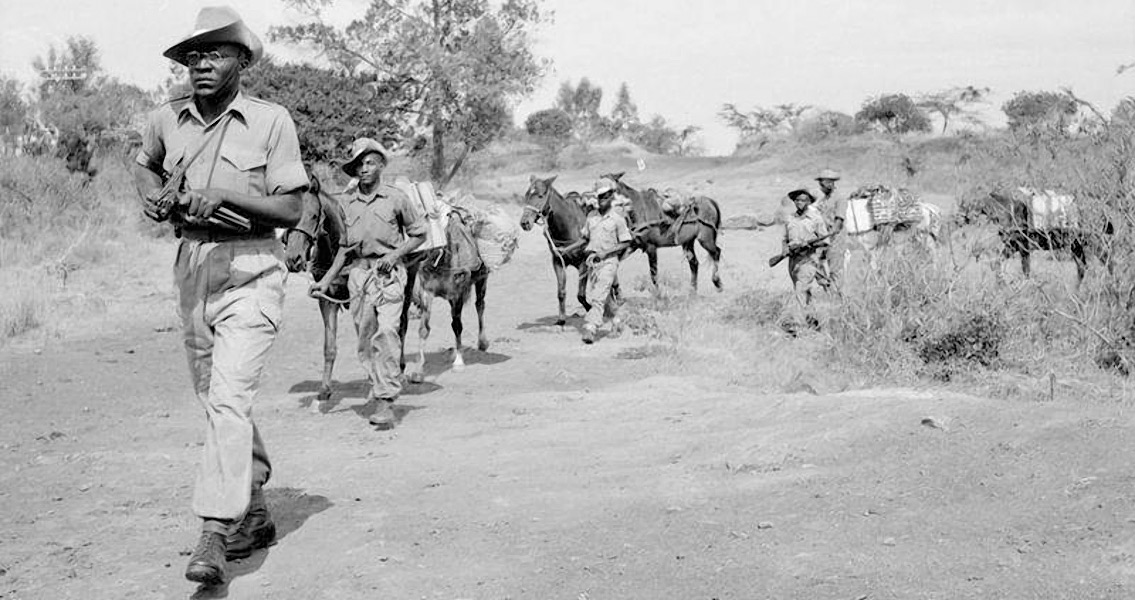
concentration camps created in the Boer War. 1.5 million Kikuyu, Embu and Meru civilians were feared to hold allegiances to the Mau Mau. As Dr Huw Bennet wrote in a 2015 Guardian article: “Africans living in the so-called Kenya Emergency areas were deemed guilty until proven innocent.” The majority of those people living in the Emergency Area were either sent to detention camps or forcefully relocated to new villages where they could be kept under heavy surveillance. Official records described these detention camps as rehabilitation centres, places where occupants received classes in home-crafts and civics. Any acts of violence or brutality reported were deemed isolated incidents, exceptional cases far from the norm. It is a description which matches the broader narratives given by defenders of the British Empire, a description that suggests a benevolent, civilising imperialist force. As the years went on however, sickening cracks started to appear in this account of British involvement in the Mau Mau uprising. Accusations of torture, beatings and sexual assault in the detention camps started to arise. Recent work by historians such as Bennet, David Anderson and Caroline Elkins has started to unravel the scale of the detention camp system. The figure for the number of detainees has been brought into question. Official accounts state 80,000 were held in the camps, while Elkins’ work suggests that number was in fact somewhere between 160,000 and 320,000. Meanwhile, the work of journalists and investigators at the time who exposed human rights abuses has also been revisited, helping paint a more detailed image of what truly happened. A pivotal question is to what extent the abuses at the camps in Kenya were the result of British government policy, as opposed to the excesses of individuals. It’s a controversy which garnered particular attention in 2014, when a group of elderly Kenyans launched a £200 million damages claim against the UK Government. In 2013, then UK foreign minister William Hague had admitted “The British government recognises that Kenyans were subject to torture and other forms of ill-treatment at the hands of the colonial administration”. Still, the true extent of the atrocities in the Mau Mau uprising and the level of complicity of the British government remain shrouded in ambiguity, in large part due to severe gaps in the records available. The eight years of the Mau Mau uprising saw 1,800 African civilians killed, an unknown number of Mau Mau rebels killed, 32 white settlers killed and 200 British soldiers killed. Beyond that, it stands as an atrocious moment at the close of Britain’s imperial history, the true extent, nature and meaning of which is still being unraveled. ]]>

Categories
Editorial

The Ghost Army that Helped Bring Down Hitler