Categories
Breaking News

Grave of Axe-Wielding Viking Berserker Found in Denmark

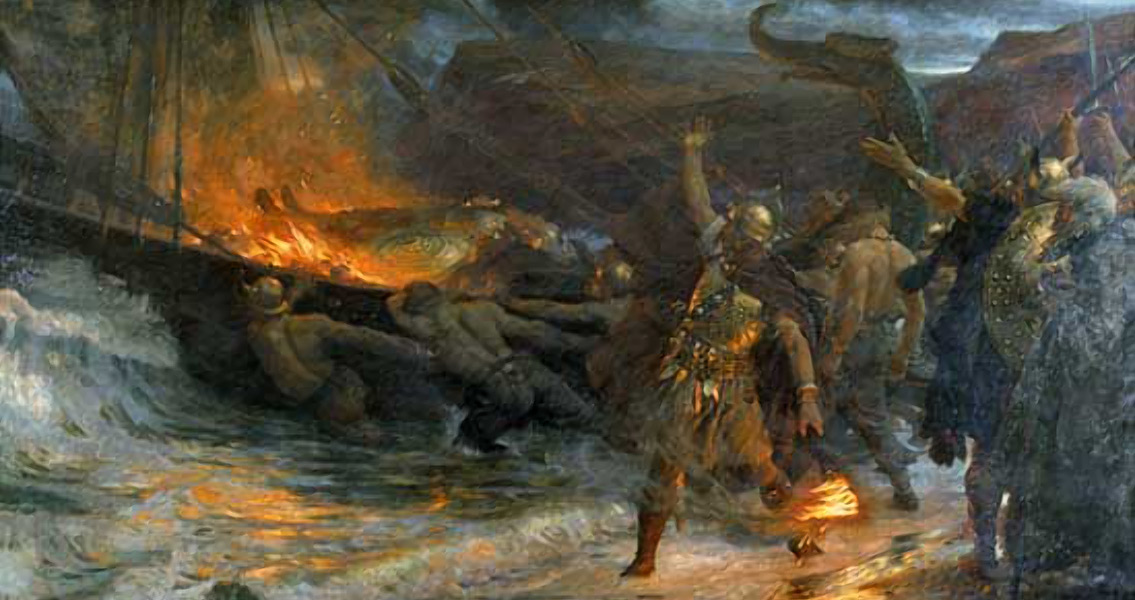
News Corp Australia, Kirsten Nelleman Nielsen, the leader of the excavation, says that the axe is exceedingly large, and would have been the kind of weapon that would have struck fear into the hearts of the wielder’s enemies. Known as the “Dane Axe”, the weapon would have been analogous in the Viking Age to the machine gun of the modern era, the researcher added. The weapon was likely not a ceremonial one, as it is simple and without adornment. Additionally, as it was the only object buried with the man, it is likely to have been a prized possession in life, leading Nielsen and his team to surmise that the tomb contains the remains of a warrior. Nielsen said the find was more than a little extraordinary, as this particular axe is much larger and heavier than other axes found in similar graves. The handle of the weapon would have been very long, requiring the use of both hands to wield effectively. Originally discovered in 2012, the multi-roomed dødehuse was stumbled upon during the construction of a highway in the district of Harup; the timber structure measures 13 meters by 4 meters and is part of an extensive burial ground. Within were found a trio of graves, which have all been dated to 950 CE. The front of the tomb held a man and a woman, seemingly buried together, while the back was the final resting place of the axe-wielding warrior. The couple seem to have been highborn or otherwise people of import, as their grave goods were sourced from across Europe. According to University of Copenhagen, Denmark archaeologist Henriette Lyngstrøm, silver coins originating from ancient Afghanistan and ceramics from the Baltic point to an international reach. Additionally, the female was found with a set of keys, thought to have been symbolic of her power, and the two were found within a wagon that is thought to have been used by Danes of noble birth during the time they were alive. The man, perhaps her husband, was found with a more modestly-sized battle axe. Nielsen remarked that finding a male and a female buried together in such pomp and circumstance is noteworthy, as it explodes the myth of the male-dominated nature of Viking society by affording equal status between the two. ]]>
Categories
Breaking News

Joan of Arc’s Visions Could Have Been More Medical than Mystical

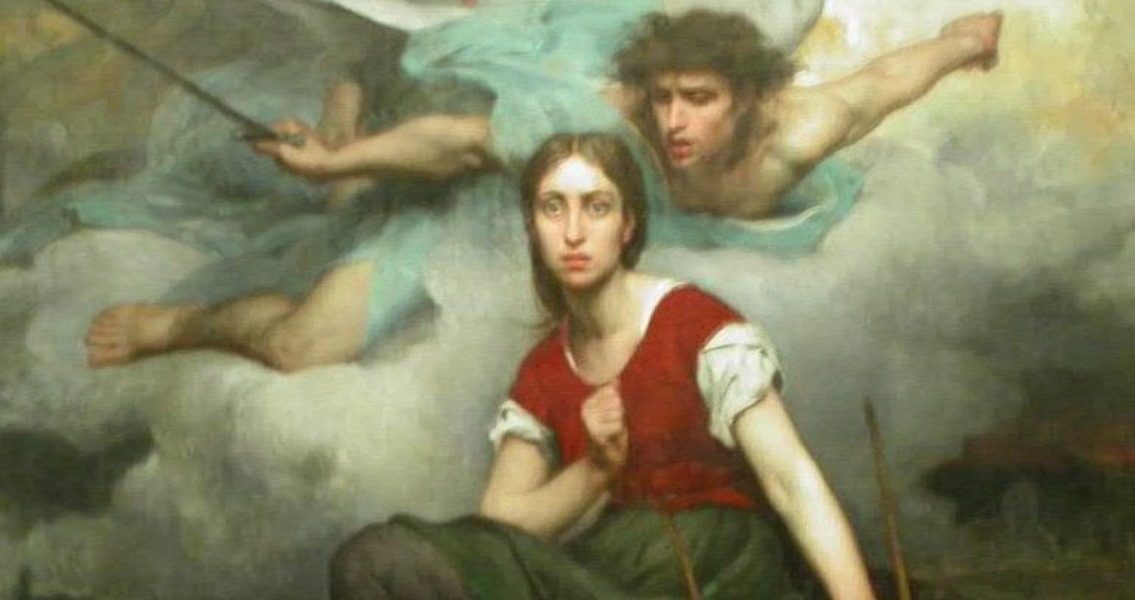
Live Science they initially came up with the hypothesis while they were examining documentation relating to Joan during her Trial of Condemnation, where she was tried for being a heretic and a witch, and ultimately sentenced to death. Joan of Arc, also called “The Maid of Orléans”, is a heroine in France for her role in the Hundred Years’ War. She has been canonized as a Catholic saint. Several aspects of the symptoms Joan had, which are detailed in the historical accounts, support the diagnosis, d’Orsi’s and Tinuper’s letter states. For example, the historical documents indicate that Joan reported seeing saints, like St. Margaret and St. Catherine, and hearing voices. These visual hallucinations (which only occurred occasionally) and auditory hallucinations are symptoms associated with this form of epilepsy, the team told Live Science. Additionally, sufferers of this type of epilepsy (40%) have seizures while asleep, another symptom Joan of Arc reported having. The frequency with which Joan heard voices, however, is not completely consistent with the proposed diagnosis, and other researchers point to the fact that patients with this form of epilepsy experience seizures infrequently. While diagnosing a medical condition in a person who lived during the 1400s isn’t easy, there may still be an opportunity to definitively answer the question; all that’s needed is a strand of Joan’s hair. It’s believed that Joan sealed her letters with red wax, imprinted with a fingerprint and a hair, to prove her identity. If historians can find even one of these letters, scientists may be able to test the DNA of the hair. To date, all efforts to find a letter sealed in this manner by Joan of Arc have been unsuccessful, but if such a discovery is ever made, scientist have identified the genes which are linked to this specific form of epilepsy, making DNA testing possible. ]]>

Categories
Breaking News

Smoke Tolerance Key to Humans Outlasting Neanderthals

Molecular Biology and Evolution. A difference in the aryl hydrocarbon receptor, which regulates the body’s response to polycyclic aromatic hydrocarbons, may have desensitised humans to the toxic spew of chemicals generated by smoke and fire, according to the authors. This desensitisation would have given humans an advantage compared to other hominids when it came to processing the toxins. “If you’re breathing in smoke, you want to metabolize these hydrophobic compounds and get rid of them, however, you don’t want to metabolize them so rapidly that it overloads your system and causes overt cellular toxicity,” explained Perdew. “For Neandertals, inhaling smoke and eating charcoal-broiled meat, they would be exposed to multiple sources of polycyclic aromatic hydrocarbons, which are known to be carcinogens and lead to cell death at high concentrations. The evolutionary hypothesis is, if Neandertals were exposed to large amounts of these smoke-derived toxins, it could lead to respiratory problems, decreased reproductive capacity for women and make especially preadolescents susceptible to respiratory viruses, while humans would exhibit decreased toxicity because they are more slowly metabolizing these compounds.” Genomic data from humans, Neanderthals and Denisovans was compared to explore the differences in the genetics of polycyclic aromatic hydrocarbon tolerance. The disparity was even greater than the researchers anticipated. “We thought the differences in aryl hydrocarbon receptor ligand sensitivity would be about ten-fold, but when we looked at it closely, the differences turned out to be huge,” said Perdew. “Having this mutation made a dramatic difference, it was a hundred-fold to as much of a thousand-fold difference.” Why the Neanderthals went extinct is a question that has plagued scientists for decades, with many suggesting it may have been a consequence of the spread of humans, or climate change. There is evidence that both humans and Neanderthals used fire, according to George Perry, assistant professor of anthropology and biology, Penn State, who worked on the study. The consequences of this fire use, which likely started with our hominin ancestors around a million years ago, might have been deadly for Neanderthals. Resistance to smoke toxins would have been an evolutionary advantage that afforded modern humans a host of benefits. “Cooking with fire could have allowed our ancestors to incorporate a broader range of foods in our diets, for example, by softening roots and tubers that might otherwise have been hard to chew,” said Perry. “Cooking could also help increase the digestibility of other foods, both in chewing time and reduced energetic investment in digestion.” Fire had a multitude of other vital uses for early humans, providing warmth at high latitudes and helping form settlements. “Besides heating and cooking, humans used — and still use — fire for landscape burning and as part of hunting and gathering, and now as part of agriculture,” Perry continued. The findings add further weight to other studies that have suggested developing the ability to cook was one of the key advantages that helped humans thrive, drastically improving the quality of their diet. However, the scientists suggest that the mutation had one negative outcome. The receptor might explain modern humans’ greater tolerance to cigarette smoke, allowing people to develop the smoking addiction that contributes to millions of deaths each year across the globe. “Our tolerance has allowed us to pick up bad habits,” Perdew said. ]]>

Categories
Breaking News

High Energy X-Ray of Little Dinosaur Produces Big Results

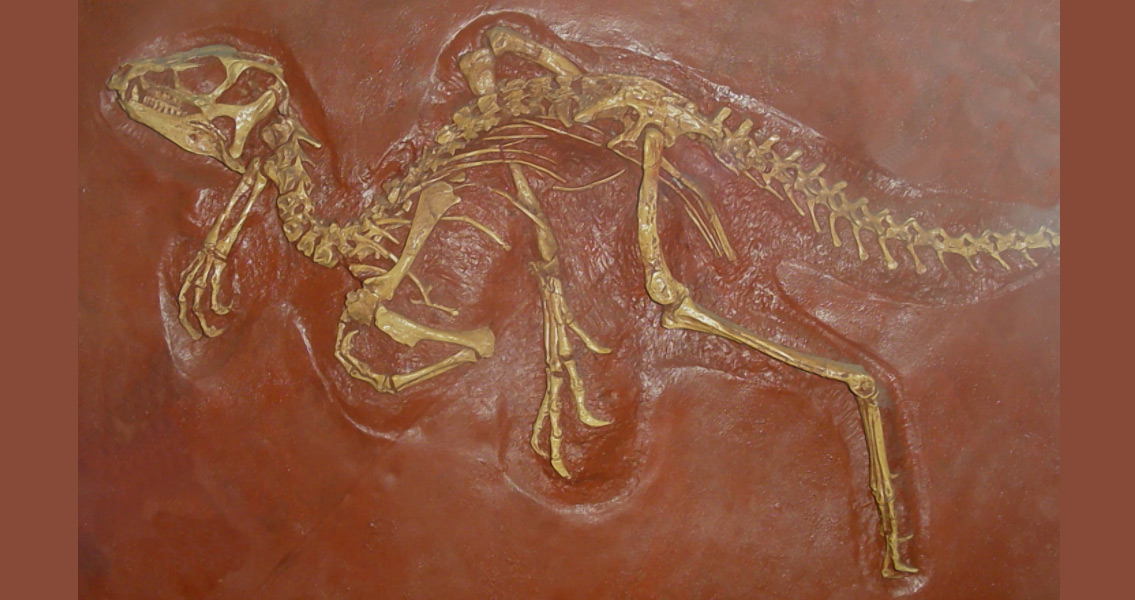
Heterodontosaurus tucki, a small herbivorous dinosaur that roamed Earth 200 million years ago, paid a visit recently to the European Synchrotron Radiation Facility (ESRF), or at least its fossilized skeleton did. The purpose was to study the dinosaur’s anatomy, through the collaborative efforts of scientists from the Evolutionary Studies Institute at the University of the Witwatersrand, South Africa, and paleontologists at ESRF. Synchrotron-generated light produces X-rays that are brighter than hospital X-rays by a factor of 100 billion. Simply put, the x-rays are produced at the ESRF by high energy electrons that sprint around a circular tunnel (a storage ring) that measures 844 meters around. ESRF has been designing these non-invasive techniques used specifically for paleontological studies since 2000, using their own team of paleontology experts and several beamlines dedicated solely to X-ray imaging. These beamlines provide the unique combination of high brilliance, high-energy, and the wider X-ray beams which are necessary to scan large dinosaur fossils. The beam’s high coherence is a key factor for this research because fossilized bones and the rock which typically surrounds them have almost identical densities, with ESRF’s high level of coherence there is a distinct contrast between the two materials. This is critical for “virtually” excavating a fossil. The dinosaur specimen was discovered in the Eastern Cape province of South Africa. Because the small skeleton was embedded in hard rock, any attempt to extract the bones would have caused irreparable damage, so to study Heterodontosaurus’s anatomy, the X-rays provided by the ESRF were used to reconstruct the skeleton, non-invasively and in incredible detail. Heterodontosaurus was a plant eating animal, with big canines in the front of the jaw and grinding teeth in the back. In order to understand how the dinosaur moved, ate and breathed, the scientists scanned the specimen over a five-day period, and then examined the X-rays created by the ESRF. What they got was a three dimensional reconstruction of the skull from which they were able to determine that the specimen was most likely a juvenile (based on the weak bond of the skull bones), and gained insight into how it held its head, based on the reconstructed balance organs, and how the dinosaur interacted with his environment – all examples of data that a two dimensional image wouldn’t have revealed. The dinosaur skeleton was discovered within a stream bed, on a farm in the Eastern Cape province. With assistance from the Albany Museum in Grahamstown and Rhodes University Geology Department, the fossil was excavated and enough rock was painstakingly removed from the bones to be able to identify the specimen. Any additional preparation work, however, was close to impossible considering the size and fragility of the skeleton and how hard the rocks around it were, meaning the scientists couldn’t fully study the skeleton’s anatomy. Using synchrotron technology scientists are able to reconstruct skeletons with amazing detail, and no damage. ]]>

Categories
Breaking News

New Mayan Tomb Discovered in Belize Largest Ever

Categories
Breaking News

Scientists Get Amazingly Accurate Date for Mammoth Extinction

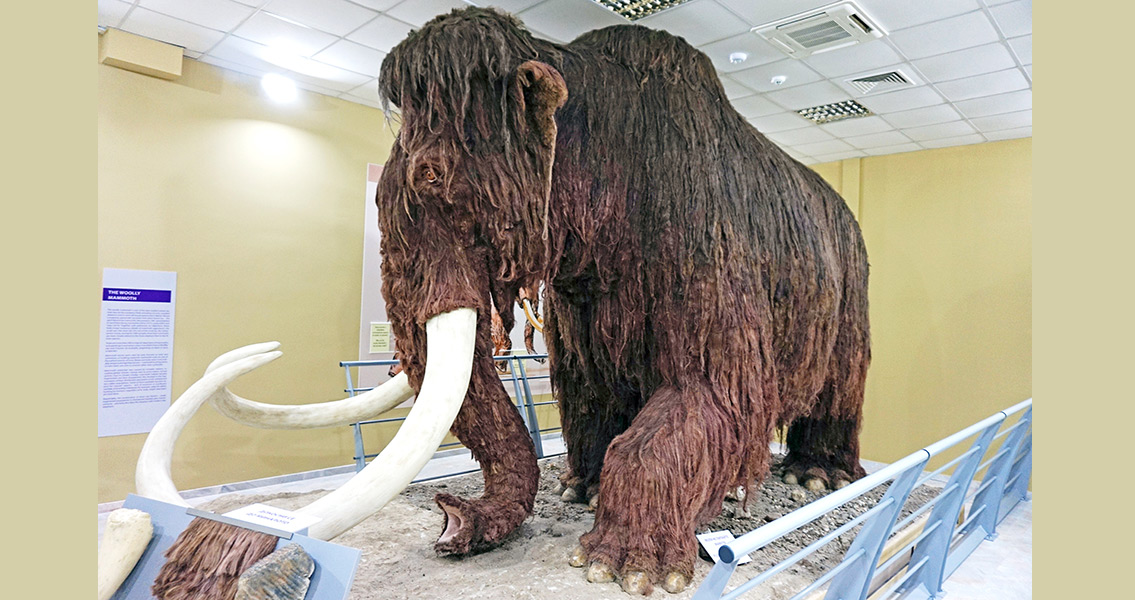
Proceedings of the National Academy of Sciences. Exactly what caused the extinction of woolly mammoths and other prehistoric megafauna is a major point of contention among scientists. Theories tend to focus on climate change, the actions of humans (for example hunting), or a combination of both. The researchers used environmental proxies to study how the habitat on St. Paul Island was changing at the time of the mammoths’ extinction. They found that the fate of mammoths on the island was different to those on the world’s continents, where mammoths went extinct around 12,000 years ago. Formed between 14,700 and 13,500 years ago, the island sank rapidly until 9,000 years ago, and continued to sink slowly until 6,000 years ago (at present it is just 42 square miles in area). As the island shrank the mammoths were concentrated into an ever decreasing area, and the available water started to run out. Pollen from the lake cores show that the area around the lake was denuded of vegetation by the mammoths. Much like modern elephants, the mammoths likely started to dig holes in search of water, increasing erosion and filling the lake with soil, in turn leaving even less water for drinking. Once the mammoths had gone extinct however, vegetation returned to the area and the erosion came to an end. Put simply, the mammoths had contributed to their own demise. Interestingly, the authors point out that this raises a fresh take on what can push a population to extinction. “(the research) highlights freshwater limitation as an overlooked extinction driver and underscores the vulnerability of small island populations to environmental change, even in the absence of human influence”. Image courtesy of Wikimedia Commons user: Tiia Monto]]>

Categories
Breaking News

Volunteers Strike Again with Discovery of Bronze Goddess

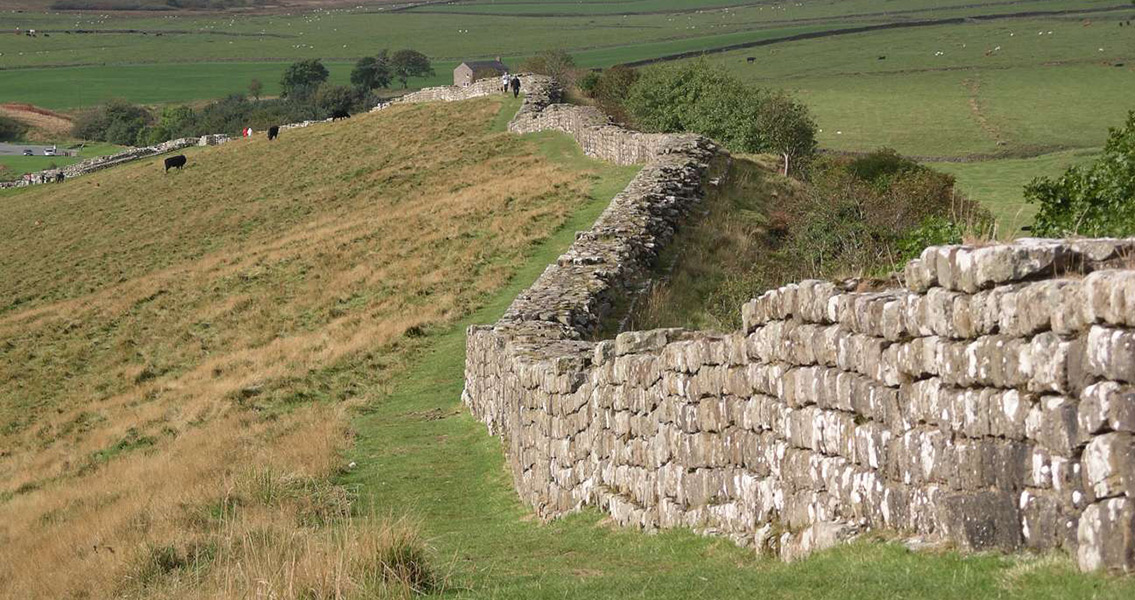
Wallquest project has unearthed at Arbeia. In 2014, another volunteer discovered the head of a protective goddess, a tutela, carved out of stone. The site of the only permanent stone granaries left in Britain, the fort, constructed sometime around 120 CE, was occupied until the fifth century when the Romans left Britain. One possible interpretation of Arbeia is “fort of the Arab troops”, which refers to a time when Mesopotamian boatmen were garrisoned there, as was the First Asturian, a squadron from the Spanish cavalry. It was not uncommon for Roman forts to be manned by troops from somewhere else within the empire, where they often assimilated and recruited locally. Ceres, the goddess of the harvest, was credited with teaching mankind how to grow, and then preserve and prepare corn and grain. She was also believed to be responsible for the fertility of the land. The only god involved in the day-to-day lives of common people, she is typically portrayed holding a scepter or a farming tool with one hand, and a basket of fruit, grain or flowers with the other. Hadrian’s Wall, also known as the Roman Wall, was a defensive fortification in the Roman province of Britannia during the rule of Hadrian, the Roman emperor between 117 CE and 138 CE. Built along the River Tyne, it was constructed to mark the northern limit of the Roman Empire. The total length of the wall was 80 Roman miles or 73 modern miles (117.5 km). The structure consists of a stone wall atop a stone base, with two turrets in between milecastles (small forts, or fortlets, guarding a gateway), and forts approximately five Roman miles apart. Designated a UNESCO World Heritage Site in 1987, the portion of the wall that remains standing can be followed by visitors using the Hadrian’s Wall Path. Amanda Seim, the Earthwatch volunteer working with the Wallquest Community Archaeology Project, who discovered the Ceres figure, described the moment she found the figure to Heritage Daily, “At first I didn’t believe the goddess was real since the condition seemed pristine and the detail was incredible, but then our site supervisor fell eerily-quiet triggering a hum of authentic excitement.” The goal of the Wallquest project is to learn about the easternmost section of Hadrian’s Wall – an approximately 30 mile long section between Hexham/Corbridge and South Shields. Although the wall isn’t always visible in this area, locals are exceptionally interested in it and this project allows them to become involved in the excavations and research. Visitors to Arbeia will see the two newly discovered goddesses displayed in the site’s museum. ]]>

Categories
Breaking News

340-Year-Old Stinky Cheese Found in Shipwreck

The Local Sweden recounts how divers undertaking excavation work on the Kronan, a royal ship that sunk in the waters of the Baltic, made the discovery in July, with the cheese housed within a black tin jar resting on the seabed off the coast of the island of Öland. According to the Kalmar County Museum’s Lars Einarsson, researchers are reasonably sure that the object contained within the sealed jar is some sort of dairy product, with it most likely being cheese of some kind. The scientist added that the substance is both thick and gooey, has a strong smell of yeast and cheese, and particularly resembles a rather granular Roquefort, a blue cheese traditionally created from sheep milk. Einarsson remarked that the smell to him was quite appetizing, thanks to his own personal tastes for exotic food. However, while it’s been reasonably well preserved by being in the frigid mud of the Baltic, the 340-year-old cheese isn’t something he’s going to be tasting any time soon; the researcher likened the seafloor to be about as far as possible from the kind of ideal preservation conditions in a location such as Tutankamun’s burial chamber. It wasn’t just exceptionally fragrant ancient cheese that the researchers found. Over the course of a two-week dive, Einarsson and his colleagues also discovered other salvage, such as a diamond ring and over a dozen golden coins. The Kronan sank on June 1st of 1676 at noon, prior to the beginning of a sea battle known as the Battle of Southern Öland, which was a clash between a Danish-Dutch allied fleet and the Swedish one. The warship turned too sharply to port, and water began to flood into the vessel through the dozens of gunports, filling the Kronan with water. Soon, the forward powder magazine of the warship ignited, resulting in a massive explosion that sealed the fate of many of the sailors. The death toll from the wreck was massive, with approximately 800 ship hands perishing in the waters off the coast of the Baltic island; only around 40 men survived the Kronan’s sinking. One of the largest warships ever built during its heyday, the Kronan was found once again in 1980. It has since been subjected to careful study over the decades. In excess of 20,000 artifacts have been recovered from the wreck of the 110-gun three-decker so far, including the cranial remains of several crew members complete with intact traces of brain tissue. The suspected cheese is to be subjected to scientific analysis to confirm its identity, and is being kept in low temperature storage until the mystery can be put to rest in a more decisive manner. Hopes are high that, if it is indeed cheese, it will help to paint a broader picture of what it might have been like aboard a seventeenth century Swedish warship. ]]>

Categories
Breaking News

New Project Will Determine If a Rose By Any Name Was Still a Rose

Heritage Daily. “Supported by hundreds of years of scholarly enterprise, Shakespeare is now a global phenomenon. One of the areas we know very little about is what the Elizabethans themselves would have made of Shakespeare’s language. When they heard a word in one of Shakespeare’s plays, what did it mean to them?” As the project moves forward, researchers also hope to learn what made Shakespeare’s writing unique by comparing the language he used to the language used by his contemporaries. An earlier pilot study has provided some hints, as Culpeper explained to Heritage Daily. “Shakespeare seems to love the word ‘I’ as in the pronoun referring to one’s self. It is a little word but an important one. Modern drama is similar to an over-heard conversation – we listen to characters asking questions like ‘What do you think about X?’ and we learn about characters from their answers. But Shakespeare is much more geared to the direct presentation of the self through the word ‘I’”. The project is being funded by the British Arts & Humanities Research Council, and published in two separate volumes. All of the resources used in its creation will be made available to students and scholars. ]]>

Categories
Breaking News

Christopher Columbus Plants Spanish Flag in South American Soil

Santa Maria, Pinta and Nina, proved one of the most significant in history. After 36 days, the trio of ships sighted an island, what is the present day Bahamas in the Caribbean. Columbus and his crew became the first Europeans to set foot in the New World since the Vikings had founded colonies in Newfoundland and Greenland in the tenth century. Columbus, however, had no idea of the magnitude of his discovery. He was convinced he had landed in the far East; when his crew sighted Cuba he believed it to be China, and when they discovered the island of Hispaniola he believed he had landed on the coast of Japan. He set sail back for Europe with his two remaining ships (the Santa Maria had been wrecked on a reef off of Hispaniola), loaded with gold, spices, and captured natives. After hearing tales of the riches of the islands Columbus had discovered, Isabella and Ferdinand granted the funds and support for a second voyage west, hopeful that the fabled passage to Asia would be discovered. Arriving at Hispaniola, Columbus found the settlers he had left behind at Navidad had all been killed. Columbus’ response was extreme, the indigenous population were enslaved into forced labour (despite Isabella being a firm critic of slavery) to build a colony for the Europeans and search for gold. After further exploration of the Caribbean islands, Columbus set sail for Europe once again, his two brothers left in charge of the settlement on Hispaniola. Columbus’ second voyage hadn’t been nearly as lucrative as anticipated, yet the Spanish monarchy eventually awarded the funds for a third, this time made up of six ships – three to search for the sea route to Asia, three to bring supplies and settlers to Hispaniola. Plagued by poor weather, which slowed the ships’ progress, the beleaguered explorers eventually discovered the island of Trinidad, where they resupplied. There the expedition split, and Columbus personally led the ships searching for a passage to Asia. Perhaps history’s greatest explorer, Columbus failed in his goal of finding a trans-Atlantic link between Europe and Asia. Nevertheless, his explorations shaped world history, and for the indigenous populations of the Americas, brought truly catastrophic repercussions.]]>