

The Pinjarra Massacre took place on 28th October, 1834. The event is remembered as one of the most horrendous massacres of Aboriginal peoples in Australia’s history.
 Panorama of the Swan River Settlement, 1831[/caption]
The origins of the tragic events at Pinjarra came in the arrival of the first European settlers to Western Australia, in 1829. Led by Captain James Stirling, the Swan River Colony was quickly established in what is now known as the Peel region of Australia. This was a region which had been inhabited for thousands of years by the Bindjareb tribe, an indigenous people particularly renowned for their spear making ability.
Tensions quickly started to form between the white, European settlers and the Bindjareb tribe. While the Aboriginal people initially placed the Europeans into their folk traditions, interpreting them as the returning ghosts of their ancestors, Stirling declared the region a territory of England, arguing that the Bindjareb should be accountable to English law.
As the settlers expanded their territory, taking up more land as they established farms, settlements, and ultimately towns, conflict started to brew.
One key issue was a fundamental difference in agricultural practices. The Bindjareb people practiced firestick farming, a method where parts of the bush were torched to enable hunting and encourage regrowth of the land. For the white settlers, with little understanding of the firestick tradition, it seemed like an attack, especially on the occasions when the fires spread into the land they had started to cultivate.
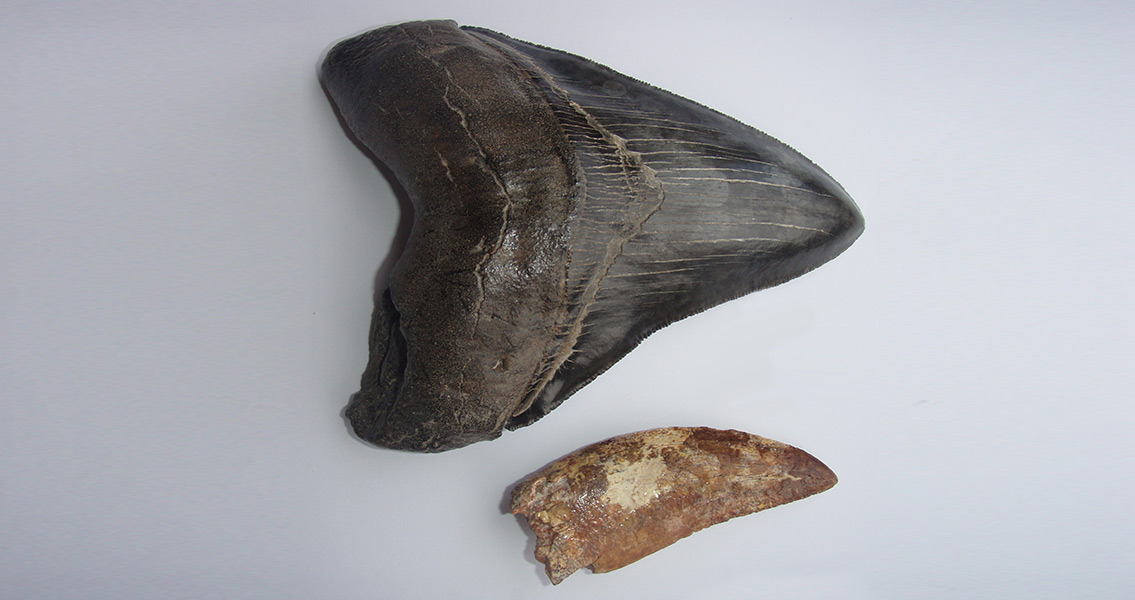

the tomb was actually built for Nefertiti and her body is hidden in a secret chamber. In addition to the hoped for benefits to science, the “Scan Pyramids” project is expected to revive Egypt’s tourist industry, which has been severely affected by the years of political instability. Image courtesy of Wikimedia Commons user: Kamelot]]>

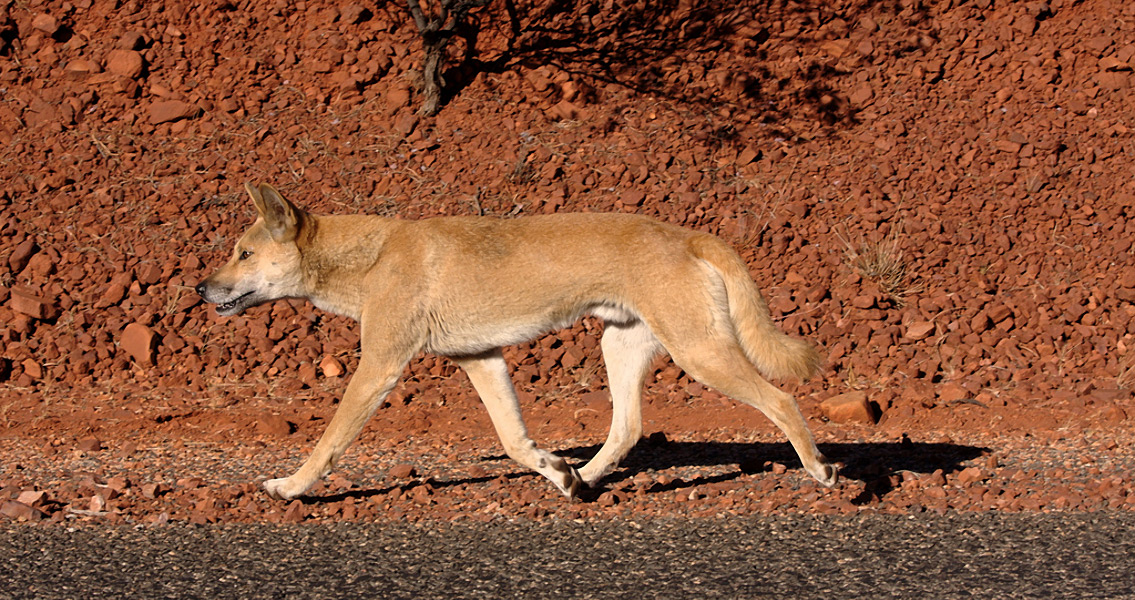
Canis lupus dingo as the species is known in scientific circles, began to forge relationships with Aboriginal people shortly after their arrival in Australia around 4,000 years ago, according to a joint study conducted by the Australian National University (ANU) and the University of Western Australia (UWA). The alliance between female Aboriginals and dingoes could have been instrumental in the women being able to provide higher amounts of hunted food, the research says. According to Jane Balme, the UWA archaeologist that spearheaded the research, the first dingoes accompanied a wave of immigrants from South East Asia on watercraft, indicating that they were likely domesticated before stepping foot – or paw, as it were – on a boat. However, Dr. Balme added in an interview with Western Australia’s Science Network that once these animals made it to mainland Australia, they reverted to a wilder state. Referring to DNA evidence collected in the past, the archaeologist said that dingoes likely made landfall in a pair of locations, one being in the north-east of the Australian continent and the other in the Kimberley, the sparsely-settled northern regions of Western Australia. The likelihood of Aboriginal having formed close bonds with dingoes quickly is high, Dr. Balme added, remarking that European colonists noted that the dogs were used quite often by the native population as watch dogs and bed-mates at night to keep warm. This is analogous to how dogs in modern society are often used in similar roles, with the addition of being trained to act as service animals or therapy companions as well. In the case of women being more likely to use dingoes than men, Dr. Balme said that the research suggested Aboriginal males were unlikely to take dingoes out with them while hunting because the dogs would startle larger animals, causing them to flee. However, the archeaological record suggests that the number of small animals hunted by Aboriginal people increased after the arrival of dingoes, which was likely due to women going off to hunt, dogs at their sides, to bring down this smaller game. The archaeologist said that dig sites in locations in South West Australia such as Tunnel Cave yielded evidence that dingoes had been used as hunting companions specifically for the smaller prey animals that were traditionally hunted by female Aboriginals. The middle of the Holocene era, which dates to around 4,000 to 5,000 years in our past, has long been noted for the difference in the type of animal remains found in Aboriginal sites, as they yield a much higher percentage of small animal bones than they did prior to this time. For more information: www.sciencedirect.com]]>
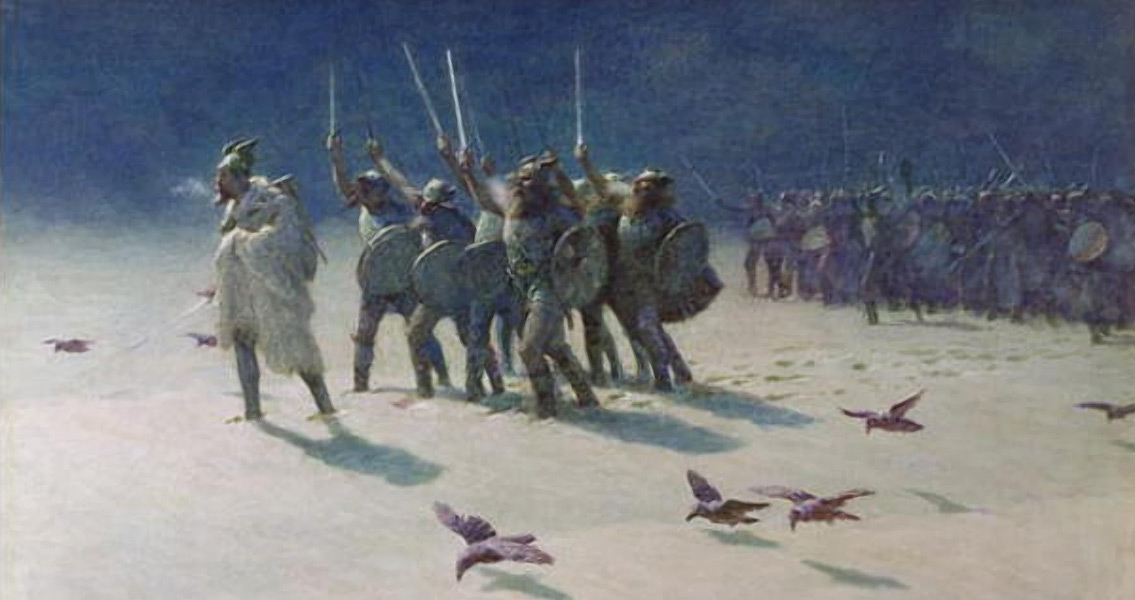

“Cooperation is related to dispersal patterns in Sino-Tibetan populations ” Image courtesy of Wikimedia Commons user: Zoharby ]]>
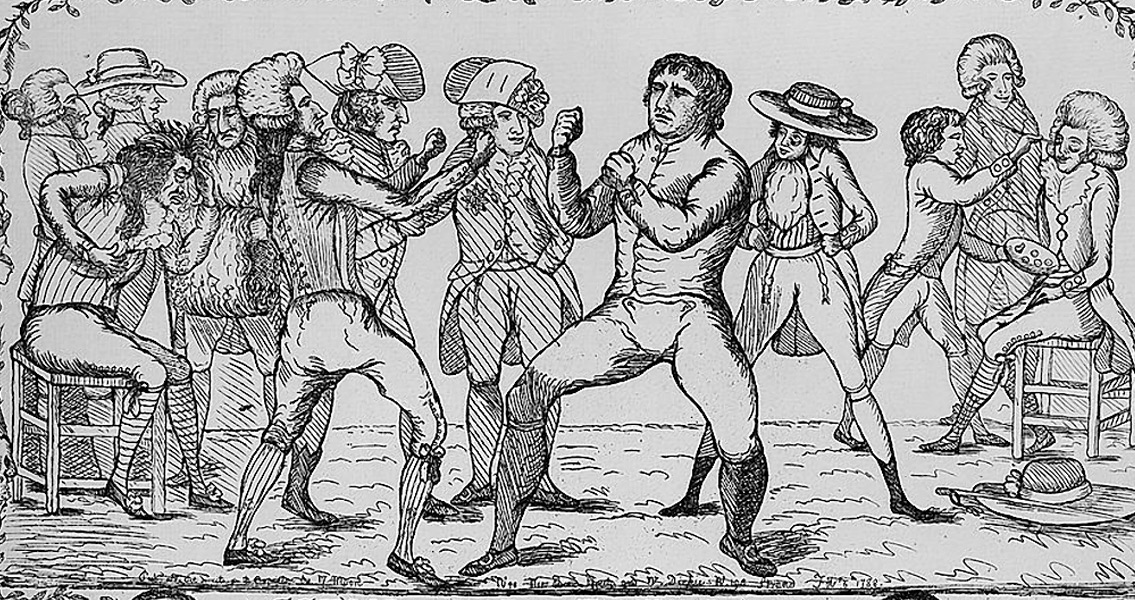
www.jeb.biologists.org]]>
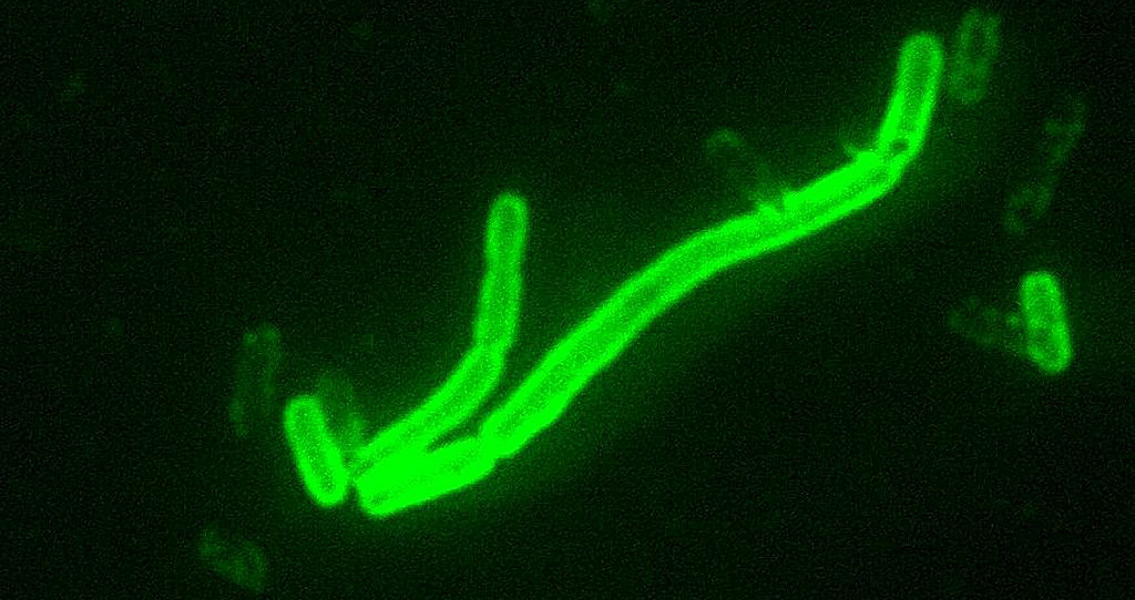
Yersinia pestis, was common among humans much earlier than the first historical records of plague epidemics suggest. An analysis of DNA extracted from Bronze Age human teeth showed that Y. pestis affected people in Asia and Europe as far back as 4,800 years ago. However, it was not for another thousand years that the bacterium developed characteristics allowing it to cause bubonic plague, the disease typically associated with it. What led the scientists, from the Universities of Gothenburg and Copenhagen, to believe that the plague is much older than commonly thought was an earlier genomics study they did on people from the Bronze Age, EurekAlert reports. That study revealed that the period, between 3000 BCE and 1500 BCE, was very dynamic in terms of migratory trends. These trends were found to have had a substantial effect on the modern-day demographic make-up of Europe and Asia. The team’s interest was sparked by the reasons behind these migrations. One of the authors of the study, Morten Allentoft from the Centre of GeoGenetics at the University of Copenhagen, told EurekAlert that one of the reasons for migration could have been epidemics that drove people away from a certain area, or decimated the population in another area, creating conditions for its repopulation. The question they asked themselves was whether these epidemics may have been caused by pestilence. To find an answer, they studied 89 billion raw DNA sequences extracted from the teeth of 101 Bronze Age and early Iron Age individuals taken from archaeological digs and museums. In seven of the samples, dated to between 2794 BCE and 951 BCE, there was evidence of the Y. pestis bacterium. Further analysis suggested that the original pathogen that Y. pestis evolved from first emerged around 5,783 years ago. To compare, the first historical records of plague-like epidemics appear in the common era, first in the sixth century, with the so-called Plague of Justinian, and then, of course, in the Middle Ages, when the Black Death took the lives of as much as half the population of Europe. There have been suggestions that Y. pestis was responsible for the Plague of Athens from 2,500 years ago and the Antonine Plague, but no hard evidence in support of this suggestion has been presented so far. Interestingly, the DNA analysis showed that even though they could get infected by the pathogen, Bronze Age people did not get it from fleas, which are among the main vectors of plague transmission. The bacterium apparently only developed the gene that allowed it to survive in the gut of fleas later, in the Stone Age. One earlier study that New Historian recently reported, suggested that the plague is in fact older than humans, by tens of millions of years, and even as early as that a strain of it could be transmitted by fleas. For more information: “Early Divergent Strains of Yersinia pestis in Eurasia 5,000 Years Ago” ]]>