Categories
Breaking News

History News of the Week: A Discovery to Rewrite the Story of Mankind?

Shock as oldest Homo sapiens are found in an unexpected place Fossil remains of Homo sapiens, along with stone tools and animal bones, have been found in Jebel Irhoud, Morocco. The three hundred-thousand-year-old bones are the oldest Homo sapiens remains ever discovered, and could drastically rewrite our understanding of humanity’s origins. A hundred thousand years older than the next oldest securely dated Homo sapiens remains, the discovery suggests that the evolution of mankind was far more complicated than traditionally thought, and involved the entire African continent. Until now, the oldest Homo sapiens remains had all been found in East Africa, in the area around that is now Ethiopia, leading scientists to conclude that modern humans all descended from a population living in that region. “We used to think that there was a cradle of mankind 200 thousand years ago in east Africa, but our new data reveal that Homo sapiens spread across the entire African continent around 300 thousand years ago. Long before the out-of-Africa dispersal of Homo sapiens, there was dispersal within Africa,” said palaeoanthropologist Jean-Jacques Hublin, one of the authors of two papers appearing in the journal Nature that detail the discovery. The fact that Homo sapiens had spread to North Africa by three hundred thousand years ago suggests the origins of our species happened much earlier than previously thought. Japan’s largest dinosaur skeleton discovered The complete, eight-metre-long skeleton of a dinosaur has been excavated from 72-million-year-old marine deposits on Japan’s northern island, Hokkaido. It is the largest dinosaur skeleton ever discovered in Japan, according to researchers. A member of the duck-billed hadrosaurid family, excavations to uncover the spectacular skeleton started in 2013, in the Hobetsu district of Mukawa Town. According to the research team from Hokkaido University and Hobetsu Museum in Mukawa, it is only the third time in history a complete hadrosaurid skeleton has been found in marine deposits, and the first time such a finding has been made in Japan. Nicknamed Mukawaryu (Mukawa Dragon), it is only the second complete dinosaur skeleton to have been unearthed in Japan. Dr. Yoshitsugu Kobayashi of the research team said: “We first discovered a part of the fossilized Mukawaryu skeleton in 2013, and after a series of excavations, we believe we have cleaned more than half of the bones the dinosaur had, making it clear that it is a complete skeleton.” There are more than 50 kinds of dinosaur in the hadrosaurid group, divided into two categories: crested (Hadrosaurinae), and uncrested (Lambeosaurinae). “Although Mukawaryu has some characteristics of both groups, our preliminary analysis indicated it might belong to the Hadrosaurinae. Further cleaning of the fossils and detailed research should make it clearer which group the Mukawaryu skeleton belongs to,” said Kobayashi. Ancient Egyptians were closer to Europeans than modern Egyptians For the first time, scientists have successfully sequenced the DNA of Egyptian mummies. The findings reveal that the Ancient Egyptians had more in common genetically with the people of the eastern Mediterranean than those living in modern day Egypt. The research was carried out by scientists from the Population Genetics Group at the Max Planck Institute for the Science of Human History, in Jena, Germany, and has been published in the journal Nature Communications. Although there are thousands of sets of mummy remains worldwide, until now extracting the DNA has proven a challenge. “Researchers were generally skeptical about DNA preservation in Egyptian mummies, due to the hot climate, the high humidity levels in tombs and some of the chemicals used during mummification, which are all factors that make it hard for DNA to survive for such a long time,” Stephan Schiffels from the Max Planck Institute told Live Science. Schiffels and colleagues used an innovative new method called next generation sequencing, which allows human DNA to be extracted from other types to tell if a fragment is very old or suspiciously new. For this study, they focused on mummies from between 1380 BCE and 425 CE. When the mummy DNA was compared with genetic samples from modern Egyptians, they found that it had significantly less sub-Saharan ancestry than the modern samples. The scientists were only able to speculate on why this genetic change occurred. “One possible cause could be increased mobility down the Nile and increased long-distance commerce between sub-Saharan Africa and Egypt,” said Schiffels. Image courtesy of Philipp Gunz, MPI EVA Leipzig (License: CC-BY-SA 2.0) ]]>

Categories
Editorial

Olaudah Equiano – From Slave to Abolitionist

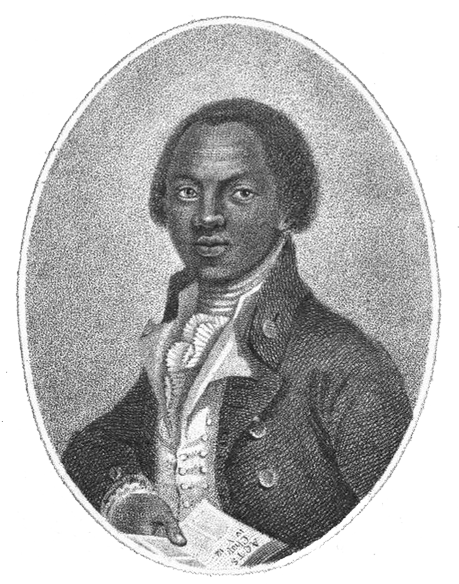
The Interesting Narrative of the Life of Olaudah Equiano or Gustavus Vassa, the African, Equiano’s autobiography, published in 1789, marked a significant turning point in the fight to abolish slavery. Describing his capture in Africa and subsequent life as a slave, the autobiography shone a light on the horrors of the slave experience, making its brutality tangible to those who had been born free. It became a rallying point for the abolitionist cause. It began with a petition for abolition addressed to the British parliament, and ended with an antislavery letter to the Queen. In between it detailed Equiano’s life, providing a rare insight into slavery through the eyes of one of its former victims. Translated into several different languages, The Interesting Narrative… would go on to be read by tens of thousands. Just as significantly, Equiano himself worked tirelessly to promote the book and the abolitionist cause. He embarked on extensive lecture tours across Britain and Ireland, and spent much of the 1790s passionately campaigning for abolition – drawing more and more attention to the issue, notably working closely with Granville Sharp and Thomas Clarkson in the Society for the Abolition of the Slave Trade. Olaudah Equiano’s life was a remarkable one, even before he became a leading figure in the battle to abolish slavery. Born in what is now Nigeria, Equiano was kidnapped and sold into slavery as a child – forcibly transported across the globe, to Barbados and then Virginia. In 1757, Equiano was bought by a naval captain named Henry Pascal, who named him Gustavus Vassa and brought him back to England. For years he served as Pascal’s slave on navy ships, participating in major battles of the Seven Years’ War. The period proved deeply influential on Equiano’s life. Fellow soldiers taught him to read and write, and the basics of mathematics, while Equiano also converted to Christianity, getting baptised in 1759. Freed by Pascal at the end of the Seven Years’ War, Equiano was again enslaved in 1762, shipped from London to the West Indies and taken on by a merchant shipping company. Again, the experience proved hugely influential on Equiano, his relatively high rank meaning he was actually involved in organising the sale and transportation of other slaves. “I was often a witness to cruelties of every kind, which were exercised on my unhappy fellow slaves. I used frequently to have different cargoes of new Negroes in my care for sale; and it was almost a constant practice with our clerks, and other whites, to commit violent depredations on the chastity of the female slaves; and these I was, though with reluctance, obliged to submit to at all times, being unable to help them.” Shrewdly, Equiano traded and saved hard during his time in the West Indies, and by 1766 had raised enough to buy his freedom. After working for several years as an able seaman, he eventually returned to London where he first met anti-slavery campaigner Granville Sharp. It marked the beginnings of Equiano’s career as one of the most influential, if seldom acknowledged, anti-slavery campaigners. He became involved in the Sierra Leone Resettlement Project, which aimed to provide a safe place for freed slaves to live and work; founded the Sons of Africa, which campaigned for abolition through public speaking, letter writing and lobbying; and even appeared in the House of Commons to call for improved conditions on slave ships. Soon, he realised that one of the most potent arguments for abolition he could offer however, was his own life story…]]>

Categories
Breaking News

History News of the Week: Nazi Loot, B-25s and Prehistoric Ochre

Middle Stone Age Humans used Ochre for Millennia A new study published in the journal PLOS ONE claims that Middle Stone Age humans living in a cave in what is now Ethiopia were using ochre for at least 4,500 years. An iron-rich rock, ochre is a common find at many Middle Stone Age sites. The Porc-Epic cave in Ethiopia contains the largest collection of ochre from the period, weighing 40 kg and believed to date to 40,000 years ago. The authors of the PLOS ONE study conducted a detailed analysis of 3792 pieces of ochre from Porc-Epic, using microscopy and experimental reproduction of grinding techniques to assess how the ochre had been processed and used over a period of 4,500 years. The researchers, led by Daniela Rosso from the University of Barcelona, Spain, found that the inhabitants of the cave persistently and consistently acquired, processed and used the same types of ochre throughout the period. Around 50% of the ochre pieces discovered had been modified by the prehistoric inhabitants, but the team also found that as time went on the inhabitants processed less ochre. The forms of modification also changed, with flaking and scraping becoming more popular while grinding became less so. These gradual changes in processing techniques could be explained by “cultural shifts”, according to the researchers. The authors state that their analysis of ochre treatments suggests a “cohesive behavioral system shared by all community members and consistently transmitted through time.” Two Missing B-25s Documented Two B-25 bombers, believed to be linked to missing US service personnel, have been documented in the waters off Papua New Guinea. The findings are part of Project Recover, a collaboration between marine scientists, archaeologists and volunteers to find US military aircraft and associated MIAs from World War Two. Searching over an area of 10 km2, Project Recover unearthed a B-25 that had been missing for over 70 years, one which is linked with a crew of six MIAs. “People have this mental image of an airplane resting intact on the sea floor, but the reality is that most planes were often already damaged before crashing, or broke up upon impact. And, after soaking in the sea for decades, they are often unrecognisable to the untrained eye, often covered in corals and other sea-life,” said Katy O’Connell, Project Recover’s Executive Director, who is based at the University of Delaware’s College of Earth, Ocean, and Environment. “Our use of advanced technologies, which led to the discovery of the B-25, enables us to accelerate and enhance the discovery and eventual recovery of our missing servicemen.” Former Nazi Loot Goes to Auction 80 years after being looted by the Nazis, an Italian masterpiece is set for auction at Sotheby’s in London, according to the Guardian. Depicting a stunning view of Venice, La Punta della Dogana e san Giorgio Maggiore was painted in 1739 by Michele Marieschi. In 1938 the painting belonged to the Grafs, a Viennese Jewish family who fled Austria after the country was annexed by Nazi Germany. Forced to leave their valued artwork behind, they searched in vain after the war for their lost masterpiece. In 1998, it was revealed that Christie’s knew the whereabouts of the painting, but could not disclose the information due to client confidentiality rules. After years of negotiation a settlement has finally been agreed with the descendants of the Graf family. Although the exact terms have not been disclosed, the painting will have to be sold so the current owners can receive a ‘significant’ sum in compensation, according to the Guardian. Going to auction on 5th July, the picture is expected to fetch somewhere between £500,000 and £700,000. Image courtesy of Project Recover ]]>

Categories
Editorial

The Longest Suicide Note in History

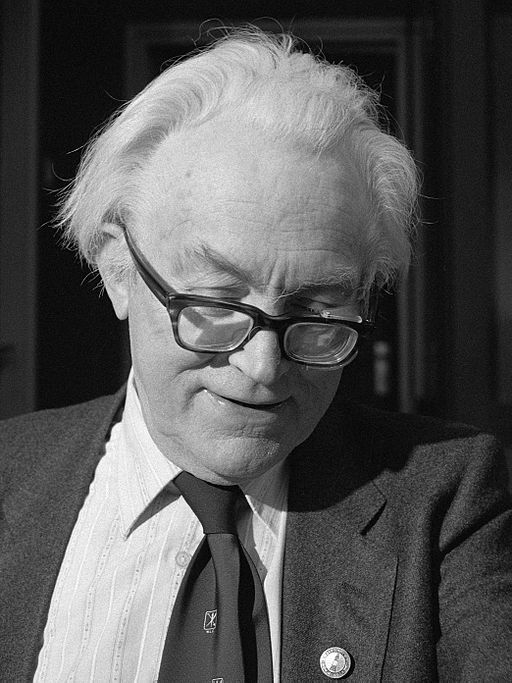
What did the 1983 Labour Party Manifesto say? By 1983 the UK had entered an economic recession. Labour, led by Michael Foot, sought to remedy the situation with an ambitious programme of government investment. The manifesto was explicitly Keynesian in its approach, involving an £11 billion, five year economic plan. It stood in stark opposition to the free market ideology of the Conservative government. The 700 page document was thorough in the plans it detailed. Some key policies included: • Massive investment in industry through a ‘national investment bank’ • Creation of a powerful national oil company to bring the North Sea Oil industry into public ownership • Reversal of the Conservatives’ programme of privatisation, including a renationalisation of industries sold • Withdrawal from the European Economic Community • Britain to take unilateral action to scrap nuclear weapons in order to encourage global nuclear disarmament • All forms of hunting with dogs, such as fox hunting, made illegal • Greater control over bank lending, through the Bank of England • Progressive taxation • Strengthening of the Equal Pay Act Did the 1983 Manifesto really cost Labour the general election? The Conservative party won the 1983 election by a landslide. Some historians claim the 1983 Manifesto was the key reason for Labour’s massive defeat, but a number of other major factors were also at play. Firstly, the Falklands War had come to an end the year before. The conflict provided a massive boost to Thatcher’s popularity, endearing her to the British public, while the victory led to a swell of optimism. The conflict was pivotal in turning around what had initially been a difficult first few years in office. Secondly, Labour was hindered by internal issues and new competition. Divisions in the party saw the creation of a break away party – the SDP (Social Democratic Party). The SDP subsequently formed an alliance with the Liberal party, a move which both weakened Labour and also created a powerful new rival in the election battle. Ultimately, it meant that the votes of those discontented with the Conservative government were split between two parties. Labour went on to lose 60 seats in the election, while the Conservatives gained 58. It was Labour’s worst election performance since 1918, while the Tories secured the biggest majority since that won by Labour in 1945. The Labour Manifesto might have been the longest suicide note in history, but a host of other factors were also at play for the party’s dismal performance in 1983. Image by Marcel Antonisse / Anefo, courtesy of Nationaal Archief ]]>

Categories
Breaking News

Shock discovery that Homo naledi may have lived alongside modern humans

Homo naledi likely lived alongside modern humans, according to a newly published study. First discovered at the Rising Star Cave in South Africa in September 2015, Homo naledi quickly caused a stir in the scientific community. It is believed the creatures may be one of the earliest members of the homo genus, which includes our own species, homo sapiens, and our closest extinct relatives, the Neanderthals (Homo neanderthalensis). Professor Paul Dirks and Associate Professor Eric Roberts from James Cook University have been analysing Homo naledi fossils for the past few years, indeed, they were involved in the first paper describing Homo naledi. By using state-of-the-art techniques, they have now concluded that Homo naledi is between 236,000 and 335,000 years old. “The oldest dated fossils of Homo sapiens in Africa are around 200,000 years old. And now we have a very primitive looking hominid that probably existed at the same time as them. This is the first time one of these primitive hominids has been found in association with more modern humans in Africa,” Professor Dirks said in a press release from James Cook University. Dating was achieved using a combination of the fossil remains and their surrounding sediments. The team has since commenced work on studying a recently discovered second chamber in the cave system, distinct from the one where the initial Homo naledi discovery was made. The dates the team attribute to the fossils have the potential to be hugely significant. “When we first identified the fossils, most of the paleo-anthropologists on site were convinced that they would be a million or two million years old, but we have now shown they are much more recent. It means that a primitive hominid persisted on the landscape in Africa for a very substantial period of time. Well beyond what paleo-anthropologists predicted to be possible”, explained Prof. Dirks. The area around the cave where the Homo naledi fossils were found is littered with prehistoric tools which are typically thought to have been the work of Homo sapiens. The new dating of Homo naledi however, might lead to a rethink on the origins of those tools. “The new dating puts it on the landscape at a time from which we find lots of tools in Africa in the middle stone-age. One of the implications of the new dates is that it’s no longer automatically possible for us to assume that early homo sapiens were making these tools.” Professor Roberts said the team were confident about the new dates. “Much of the initial work on the age range was done here at JCU in our advanced analytic centre. But to get the final date range we used ten different labs and six different techniques which also involved double-blind testing.” Since Homo naledi’s first discovery, a number of figures have been suggested for the age of the remains with each subsequent study seeming to claim the hominid was more recent. A comparative skull study with other members of the Homo genus in December 2015 concluded Homo naledi was around two million years old. In July 2016, another study claimed Homo naledi was only around 900,000 years old. Dirks and Robert’s discovery will likely have far reaching consequences for the study of evolution. “We have many different branches on the family tree and it is only fairly recently that there is only one survivor on the landscape. The new dating of the fossils opens up all sorts of possibilities for an interchange of tool use, cultural activities and behaviours between Homo naledi and homo sapiens,” concluded Dirks. ]]>

Categories
Breaking News

15,000kg Dinosaur Fossil Identified after Being Ignored for Decades

Vouivria damparisensis. Dated to around 160 million years old, V. damparisensis is the earliest recorded fossil from the titanosauriform family, a group of dinosaurs which includes the likes of Brachiosaurus. Analysis of the fossil suggests the specimen died at a young age, weighed around 15,000 kilograms and measured over 15 metres in length. Its neck was spectacularly long and was likely held at a 45 degree angle. Much like other titanosauriforms, the creature also boasted a long tail and four legs of equal length. “Vouivria would have been a herbivore, eating all kinds of vegetation, such as ferns and conifers.” said Dr Philip Mannion, the lead author of the study from the Department of Earth Science and Engineering at Imperial College London, in a press release. “This creature lived in the Late Jurassic, around 160 million years ago, at a time when Europe was a series of islands. We don’t know what this creature died from, but millions of years later it is providing important evidence to help us understand in more detail the evolution of brachiosaurid sauropods and a much bigger group of dinosaurs that they belonged to, called titanosauriforms.” Titanosauriforms were the last surviving group of long necked dinosaurs, only coming to an end with the end-Cretaceous mass extinction event which wiped out the majority of life on earth. The gigantic, diverse group of sauropods originated in the Late Jurassic and included some of the largest creatures to have ever walked the planet. V. damparisensis‘ discovery looks set to greatly aid scientists in understanding the evolution and spread of titanosauriforms across the globe, a subject which has until now proven difficult to shed light on due to a limited fossil record for the earliest members of the family. By incorporating the new species into the fossil timeline, the team have shown that by the Early Cretaceous brachiosaurids were likely restricted to what is now Africa and the USA, and probably extinct in Europe. The discovery also throws into question the previously held belief that brachiosaurids spread as far as South America. Scientists have previously suggested that a sauropod dinosaur called Padillasaurus, whose remains have been found in South America, was a brachisosaurid. The discovery of V. damparisensis however, points to that not being the case. The genus name of the new creature is derived from the old French word for viper – vouivre. In the French-Comte region where the fossil was discovered, ‘la vouivre’ is a legendary winged reptile. The species name damparisensis meanwhile, refers to the village of Damparis where the fossil was first found in 1934. Image courtesy of Imperial College London/Chase Stone]]>

Categories
Breaking News

Hobbits of Indonesia Evolved from African Ancestor

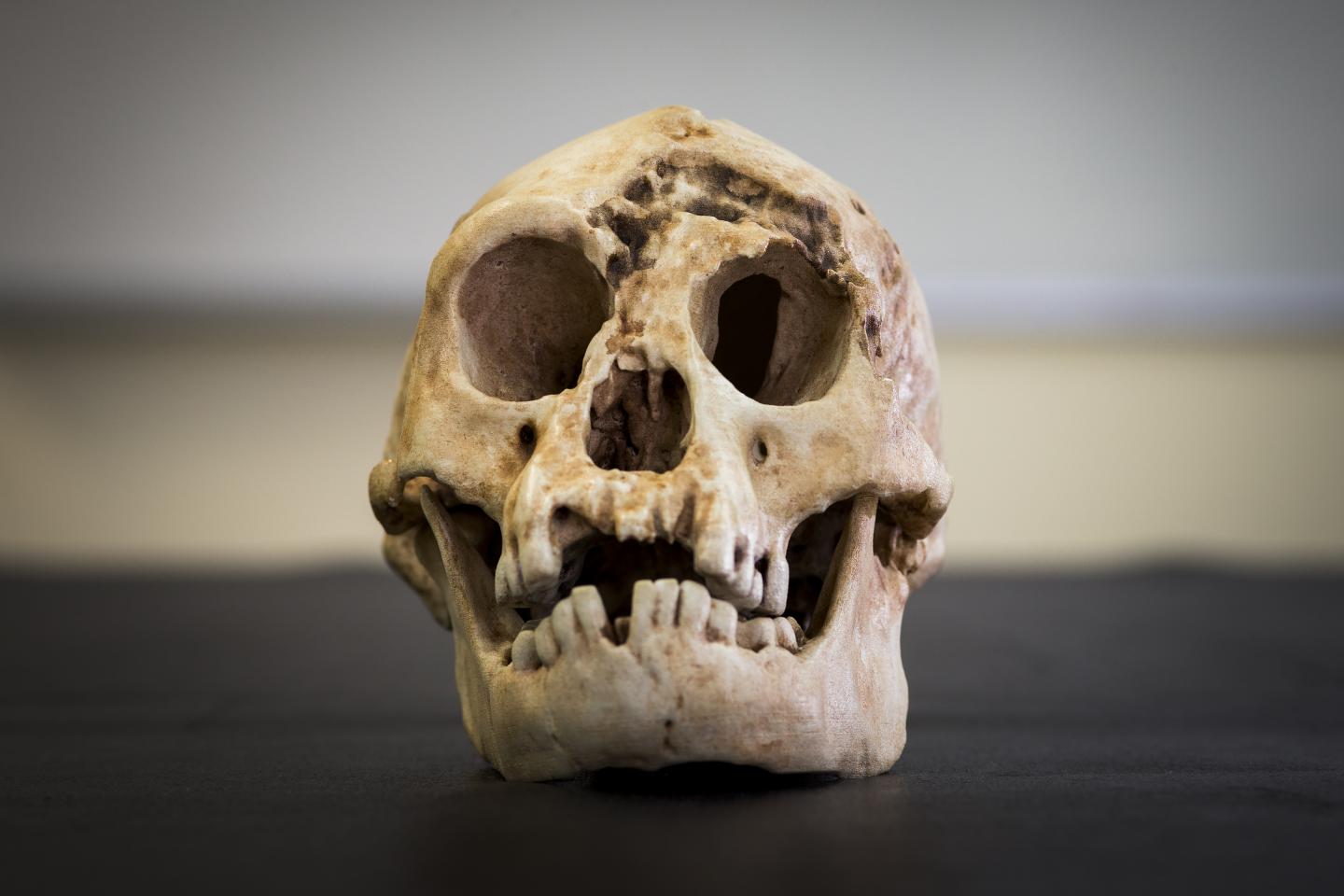
Homo floresiensis, likely evolved from an ancient African ancestor, and not Homo erectus. Remains of H. floresiensis, a mysterious, pygmy like human species, were first found in 2003 on the island of Flores, Indonesia. The unusual creatures have been nicknamed ‘hobbits’, in reference to the creatures from J.R.R Tolkien’s popular fantasy books. The first specimen of the species, found in Liang Bua caves on Flores, would have stood at only 3.5 feet tall, despite being thirty years old at the time of death. The creatures remain shrouded in mystery, with scientists unsure about exactly when they were alive. This in turn has led to uncertainty about their genetic origins and evolution. A 2005 paper published in the journal Nature suggested H. floresiensis could have been around as far back as 95,000 years ago, until as recently as 12,000 years ago. Published in the Journal of Human Evolution, the new study from The Australian National University challenges the widely held belief that H. floresiensis evolved from Homo erectus. Instead, the authors argue that the hobbits’ small stature means they likely evolved from Homo habilis – one of the earliest human species, which lived in Africa around 1.75 million years ago. Much of the argument for H. floresiensis having evolved from H.erectus is based on the fact that H.erectus is the only other early hominid known to have lived in the region – its fossils found on the island of Java. The Australian National University used physical analysis of remains to discredit this conclusion. “The analyses show that on the family tree, Homo floresiensis was likely a sister species of Homo habilis. It means these two shared a common ancestor,” said study leader Dr Debbie Argue of the ANU School of Archaeology & Anthropology. “It’s possible that Homo floresiensis evolved in Africa and migrated, or the common ancestor moved from Africa then evolved into Homo floresiensis somewhere.”Argue continued. The researchers reached their results by taking a new approach to looking at H. floresiensis remains. Previous studies have focused on the skull and lower jaw of the ancient hominids. Argue and colleagues however, looked at 133 data points including the skull, jaw, teeth, arms, legs and shoulders. “We looked at whether Homo floresiensis could be descended from Homo erectus,” she said. “We found that if you try and link them on the family tree, you get a very unsupported result. All the tests say it doesn’t fit — it’s just not a viable theory.” In particular, the team found that H.floresiensis had a much more primitive jaw than H.erectus. “Logically, it would be hard to understand how you could have that regression — why would the jaw of Homo erectus evolve back to the primitive condition we see in Homo floresiensis?” said Argue. Professor Mike Lee of Flinders University and the South Australian Museum analysed the data using statistical modelling. He claims the results were clear. “When we did the analysis there was really clear support for the relationship with Homo habilis. Homo floresiensis occupied a very primitive position on the human evolutionary tree,” Professor Lee said. “We can be 99 per cent sure it’s not related to Homo erectus and nearly 100 per cent chance it isn’t a malformed Homo sapiens,” Professor Lee said.]]>

Categories
Breaking News

Will the Story King Solomon be Validated by Animal Droppings?

National Geographic interview. “There’s clear evidence of an Egyptian presence during those centuries… But high-precision radiocarbon dating of the dung, as well as textiles and other organic material, showed that the mining camp’s heyday was the tenth century BCE—the era of the biblical kings David and Solomon.” In the Bible, King Solomon ruled a wealthy kingdom with a temple decorated extravagantly with objects made of bronze and gold in Jerusalem. To build something this grand would have necessitated the import of metal from large-scale mining operations, most likely from the Middle East. The validity of Solomon’s wealthy kingdom has never been agreed on. Some archaeologists make the argument that Solomon was actually just a small-time chieftain and incapable of organizing such a large-scale undertaking. However, in the late 1990s, another team of archaeologists discovered a copper-rich area in Jordan which indicated that metal had been produced there on an enormous scale. This site, along with the other smelting camps across the region, support the theory that the legend of the biblical king’s vast wealth may have been true. The mining operation discovered in Timna Valley has not been connected to Solomon directly, it does suggest however, that a more complex society than originally believed, possibly the Edomites, had inhabited that area and may have paid taxes to Jerusalem. The manure samples included pollen spores and seeds, enabling Ben-Yosef’s team to determine what the animals ate. Surprisingly, they found that the feed had been imported from a region over 100 miles north, near the Mediterranean cost. Long distance trade was essential to survival in the desert and during this period metal was an essential commodity, making the investment in such an operation worthwhile. During the interview, Ben-Yosef explains that more than 1,000 tons of smelting debris have been discovered on Slaves’ Hill, making it an industrial-scale operation worthy of such a kingdom. Whether or not this site is directly linked to the kingdom of King Solomon in the tenth century is yet to be determined. Ben-Yosef remains encouraged by the findings, saying in the interview: “Until recently we had almost nothing from this period in this area. But now we not only know that this was a source of copper, but also that it’s from the days of King David and his son Solomon.” ]]>

Categories
Breaking News

DNA Study Reveals Genealogy of Ancient Alaskan Remains

Science Online, human remains from On Your Knees Cave, dated to around 10,300 years old, were found to be closely related to a trio of ancient skeletons found along the Canadian coast of British Columbia. In turn, these three ancient individuals hold close relation to the Haida, Nisga’a and Tlingit tribes that inhabit the region today, revealing a direct line of descent to these tribes. Begun a generation ago thanks to an amicable collaboration between archaeologists and the Tlingit tribe living near the Alaskan remains, the research revolved around DNA extraction from the 10,300 year old skeletal remains. Named Shuká Káa, or “Man Ahead of Us”, the remains were first checked for maternally inherited mitochondrial DNA (mtDNA). Initially, there were no matches between the Tlingit tribe’s mtDNA and the data extracted from Shuká Káa, but it was revealed that the man had been an ancient mariner based on the isotopes in his teeth, which indicated a diet rich in seafood. Shuká Káa was ceremonially reburied in 2008, but with the advent of new DNA sequencing technology, researchers sought permission from the local Tlingit tribe as well as other tribes native to the region to take nuclear DNA samples from Shuká Káa. The three other ancient skeletons, one 750-year-old skeleton from Prince Rupert harbor in British Columbia, a 2500-year-old skeleton from the same region, and a 6075-skeleton located on Lucy Island in British Columbia, were all included in the survey. While the DNA sample taken from Shuká Káa was too damaged to sequence his genome completely, around 6% of it was recovered. The other three sets of remains were able to yield between one-third and two-thirds of their genomes as well, easily enough to compare genetic markers between these ancient humans and modern ones. The results of this study revealed that the Tsimshian tribe, and other Pacific Northwest tribes, were closely related to the Prince Rupert harbor and Lucy Island humans. Meanwhile, Shuká Káa seems to be a closer match to modern Southern and Central American tribes like the Ticuna, Surui, and Karitana of the Amazon. However, researchers say that the genetic markers aren’t particularly strong, and could simply represent a link to DNA shared by ancient ancestors living in Beringia or Asia before migrating to the Americas. Taken together with Shuká Káa‘s maternally inherited mtDNA, his nuclear DNA does raise the suggestion that he is also closely related to the younger skeletons found in British Columbia. Researchers played connect the dots between all four sets of remains, proposing that Shuká Káa is an ancestor of all related groups in the Pacific Northwest related to the Tsimshian. Meanwhile, there were genetic similarities found between the group and the remains of two other Paleo-indians: Kennewick Man, who is around 8545 years old and who was found in Washington state, and Montana’s 12,600-year-old Anzick child. The new research, published in the Proceedings of the National Academy of Sciences, is available online

Categories
Breaking News

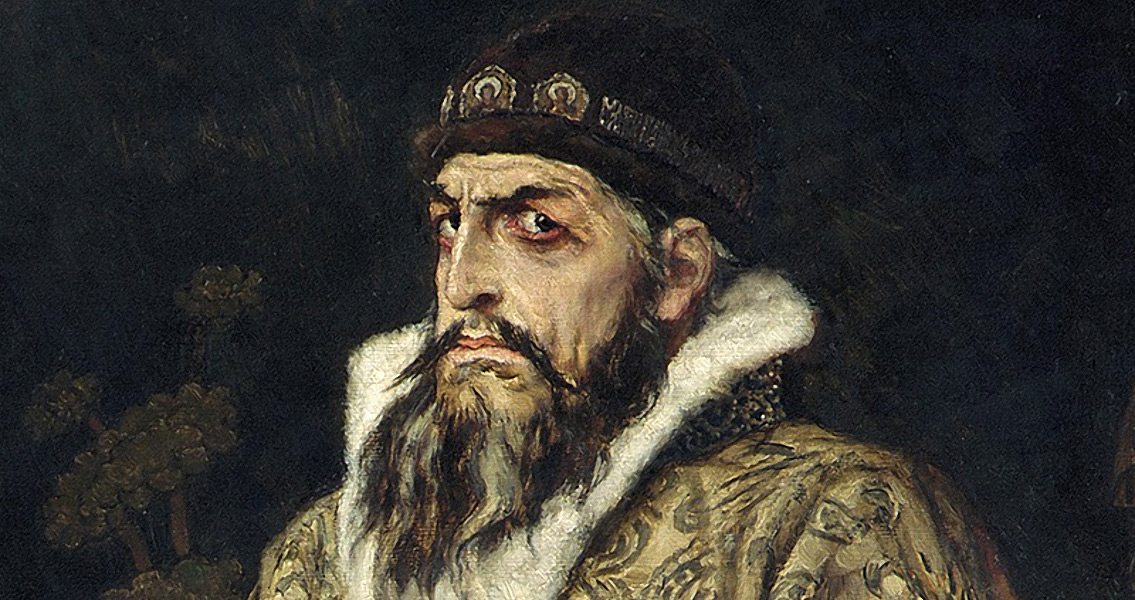
Construction Work Reveals Russian Spy Room

RT’s Ruptly news agency. Ivan IV Vasilyevich, also known as Ivan the Terrible, was the Grand Prince of Moscow between 1533 and 1547. During his reign, Russia conquered several neighboring regions to become a multicontinental and multiethnic state that spanned approximately 4,050,000 square kilometers (1,560,000 square miles). Historic sources offer dissimilar accounts of Ivan’s character. He’s often described as devout and intelligent, and a patron of the arts and trade (he established Russia’s first publishing house), yet he was prone to rages and episodic periods of mental instability that grew more common as he aged. During one such outburst, he reportedly killed his second son and heir Ivan Ivanovich during a heated argument that resulted in Ivan Vasilyevich striking him in the head with a pointed staff. In total, archeologists recovered approximately 150 artifacts dating back to between the sixteenth and nineteenth centuries, the majority of which are eighteenth and nineteenth century ceramics, including fragments of bowls and pots, as well as an intact ceramic cup. Trade sealing marks made of lead, 12 copper coins, nails, and iron knives were also recovered from the room. Experts are currently considering whether the room should be opened up for the public to see or preserved as it is. ]]>