Categories
Breaking News

Fossils of a New Ape Species Cause Rethink of Evolution

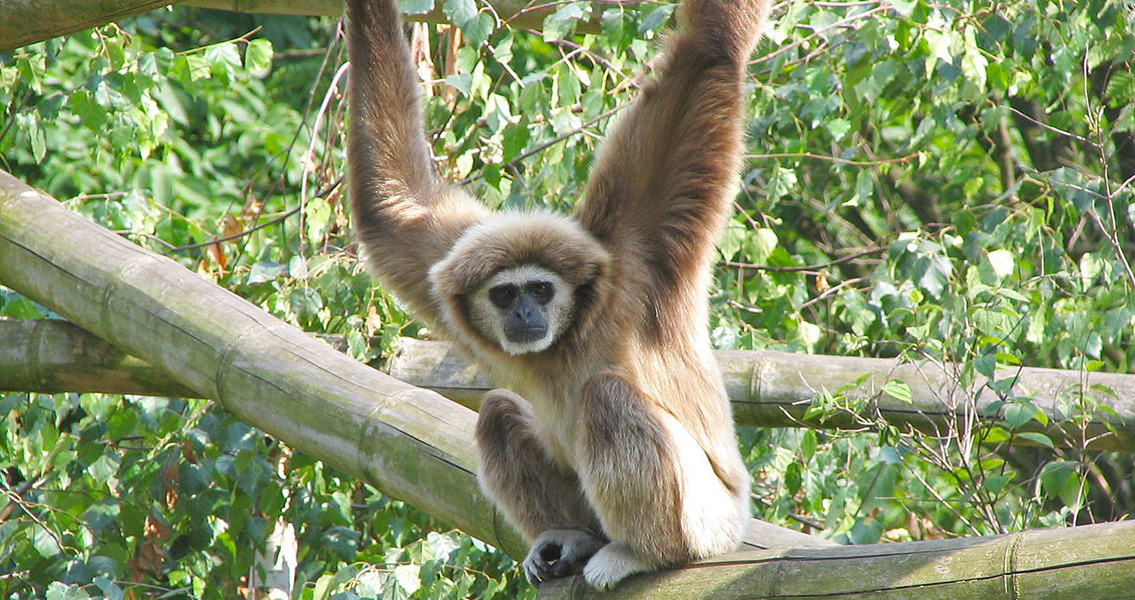
Pliobates cataloniae, seems to have lived before this split between great and lesser apes occurred. This suggests that either the two branches of apes co-existed or that instead of lesser apes evolving from great ones, it was the other way round, one of the authors of the study, published in Science, told EurekAlert. Sergio Almecija, an anthropologist at George Washington University, added that the species provides a missing chapter to the beginnings of human and ape evolution. This missing chapter fills a void in the fossil record; the reason scientists believed that lesser apes originated from great apes was the lack of lesser ape fossils from the time when great apes first evolved. While the authors of the study lean towards the suggestion that lesser apes contributed to the evolution of great apes, other scientific sources, cited by Science News, counter with the argument that Pliobates cataloniae could be an ancestor of just lesser apes, having nothing to do with great apes. In support of this argument, these critics note that lesser apes are believed to have split from the great ones around 14 million years ago, even though their origins remain shrouded in mystery. To arrive at their conclusions, the research team that analysed the fossils, led by David Alba from the Catalan institute, conducted more than 300 measurements of the 70 bones – of the teeth, the skull, and the lower body. These measurements revealed that the ancient species was closest to the modern ape family of several other ancient and now extinct ape-like species known to science. Alba told Science News that based on the analysis of the Pliobates cataloniae fossils, it could be suggested that the last common ancestor of apes and humans may have been much smaller than previously believed. In fact, P. cataloniae was really tiny: at between four to five kilos, it was as small as the smallest modern gibbons. Its facial characteristics were also very gibbon-like, the researchers note. Yet it also had monkey-like features, such as wide ear openings. The question remains open as to whether the small animal was a descendant of a common ancestor of humans and lesser apes but one thing seems to be more or less clear: its discovery in Spain could turn out to be the first evidence that lesser apes migrated from Africa to Europe, the research team’s leader noted. For more information: Miocene small-bodied ape from Eurasia sheds light on hominoid evolution Image courtesy of Wikimedia Commons user: Matthias Trautsch ]]>
Categories
Breaking News

Act of Supremacy Breaks Vatican's Hold On England

Categories
Breaking News

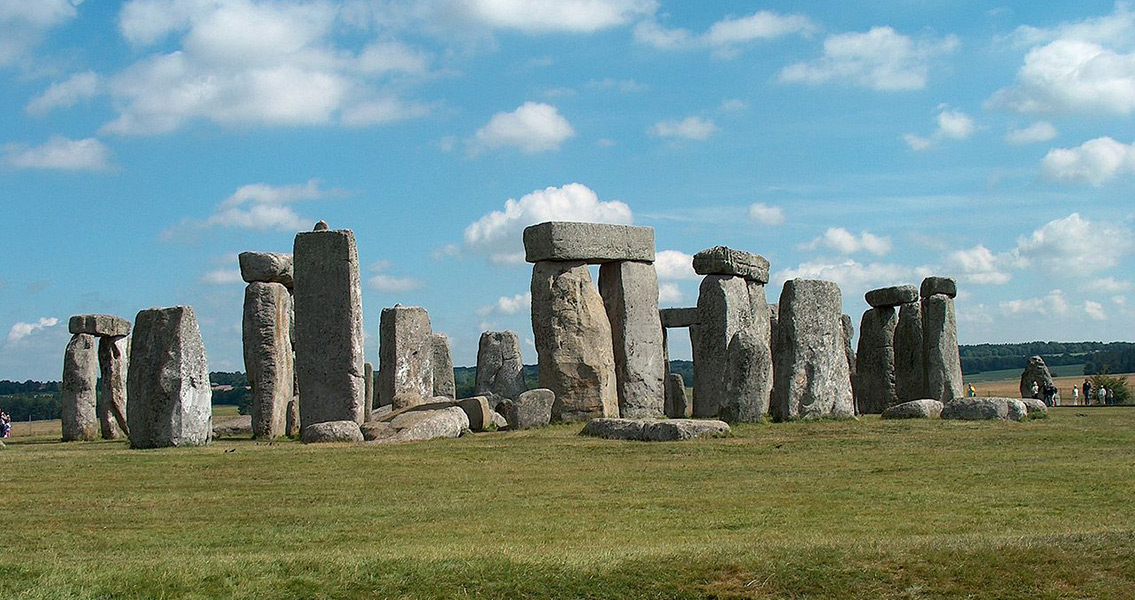
6,300-Year-Old “Eco Home” Found Near Stonehenge

Categories
Breaking News

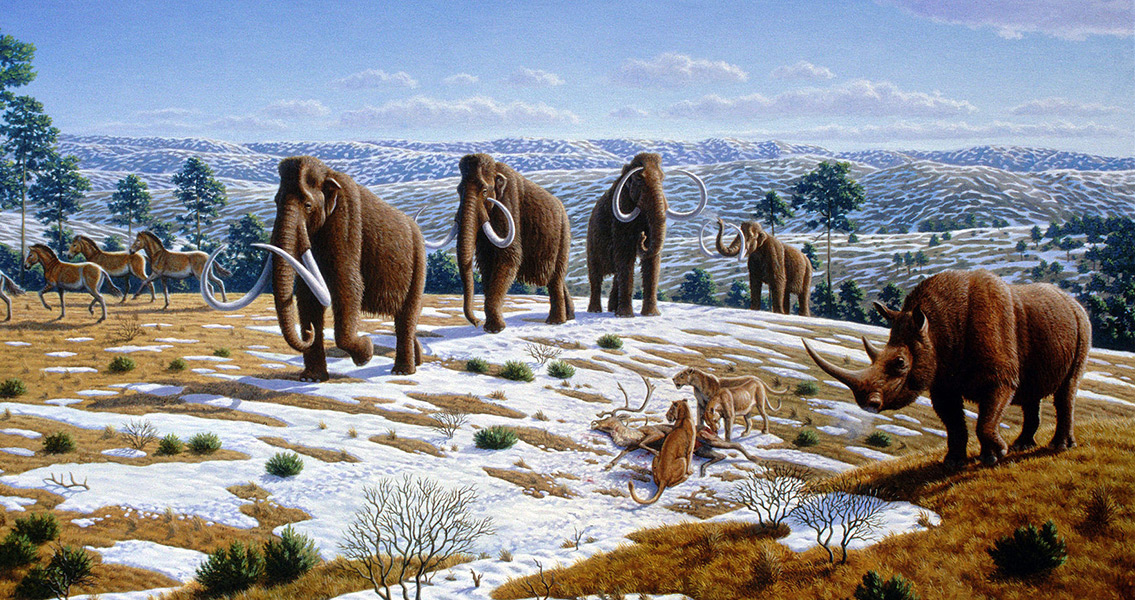
Hunting Contributed to Mammoth Demise

with giant reptiles. Another one, from this month, suggested that humans change the habitats they enter much more quickly than previously thought, at least in some ecosystems. For more information: Test of Martin’s overkill hypothesis using radiocarbon dates on extinct megafauna ]]>

Categories
Breaking News

Herbivore Extinction Triggered Environment Change

Categories
Breaking News

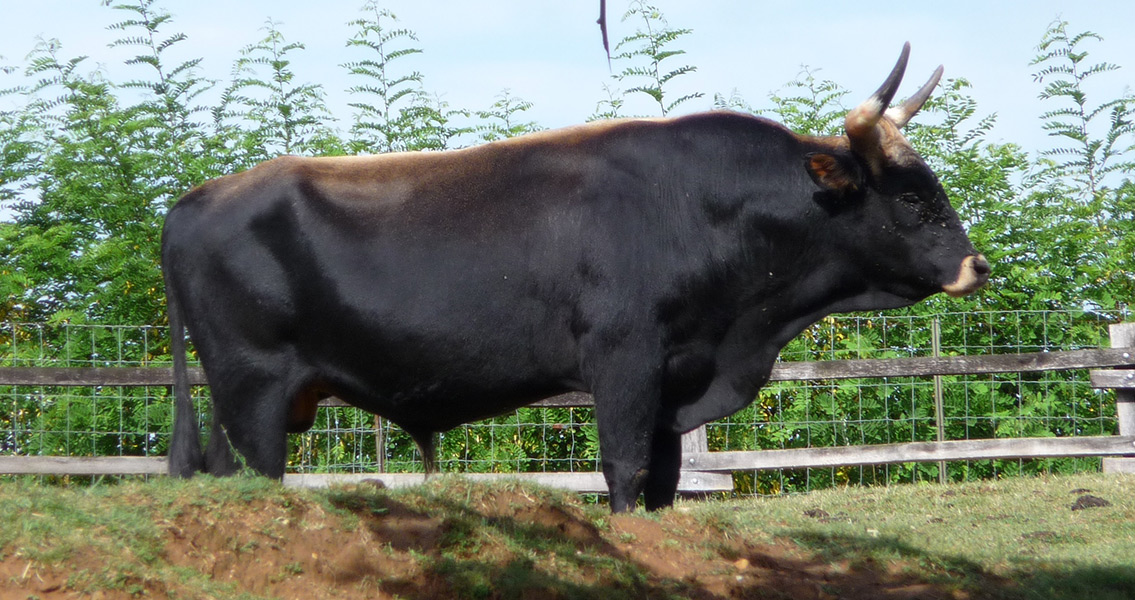
Aurochs and Modern Cattle Linked Genetically

Bos primigenius, the extinct species was once ubiquitous across the grasslands of North Africa, Asia and Europe 11,000 years in the past. Domestication efforts by modern humans to turn the aurochs into something a bit more docile led to a pair of major cattle groups known as Bos indicus and Bos taurus. European B. taurus is largely descended from aurochs populations that were prevalent in Asia, according to previous studies. However, with little in the way of scholarship regarding European wild aurochs and domesticated cattle – and how the European branch of the wild ox species played a role in how modern cows evolved – researchers from University College Dublin (UCD) decided to investigate the issue. UCD scientists began their endeavour by taking the remains of a wild British aurochs discovered in a Derbyshire cave dating back to 6,750 years ago and extracting genetic material from one of the bones. The researchers then conducted genetic sequencing on the sample to create a complete genome of the ancient wild ox before holding it up to comparison with more than 80 domesticated B. indicus and B. taurus specimens, as well as more than 1,200 modern domesticated cattle. The results were clear: there was abundant evidence that early domesticated cattle were interbred with wild British aurochs, according to UCD scientist David MacHugh, the study’s senior author. The results highlight how the ancestors of modern Irish and British cattle breeds are more genetically similar to the wild British aurochs than other cattle in Europe are. MacHugh remarked in an interview with Phys.org that this could indicate early British cattle farmers used wild aurochs to supplement their domesticated herds. Additional discoveries revealed that genetic markers which are known to play a role in muscle development and neurobiology were used in domesticating what would have been the ancestors of cattle from Europe. This indicates that ancient farmers considered behavioural traits and also suitability as a food source when it came to the domestication process. MacHugh further remarked that this study is the first of its kind to deliver a complete genome from an extinct Eurasian aurochs specimen. The data revealed in this study has the ability to supplant earlier models of cattle evolution and domestication, the scientist added. Image courtesy of Wikimedia Commons user: Brunodesacacias]]>

Categories
Breaking News

Infant Fossils Shed Light on Native American Lineages

Categories
Breaking News

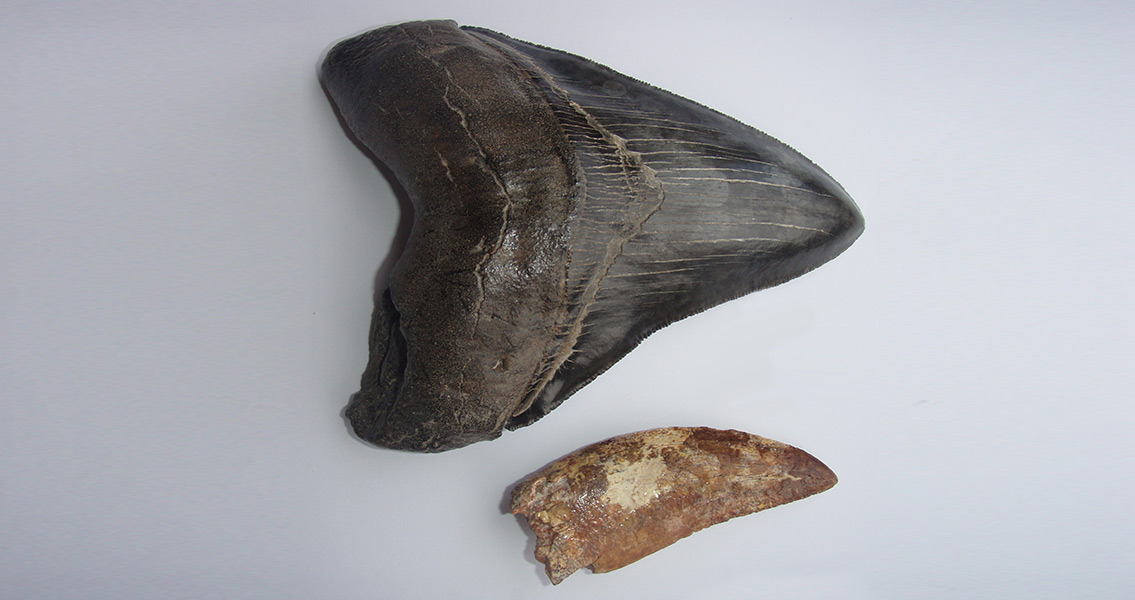
Megalodon Teeth Appear in North Carolina

Categories
Breaking News

Cutting-Edge Tech Could Reveal How Pyramids Were Built

the tomb was actually built for Nefertiti and her body is hidden in a secret chamber. In addition to the hoped for benefits to science, the “Scan Pyramids” project is expected to revive Egypt’s tourist industry, which has been severely affected by the years of political instability. Image courtesy of Wikimedia Commons user: Kamelot]]>

Categories
Breaking News

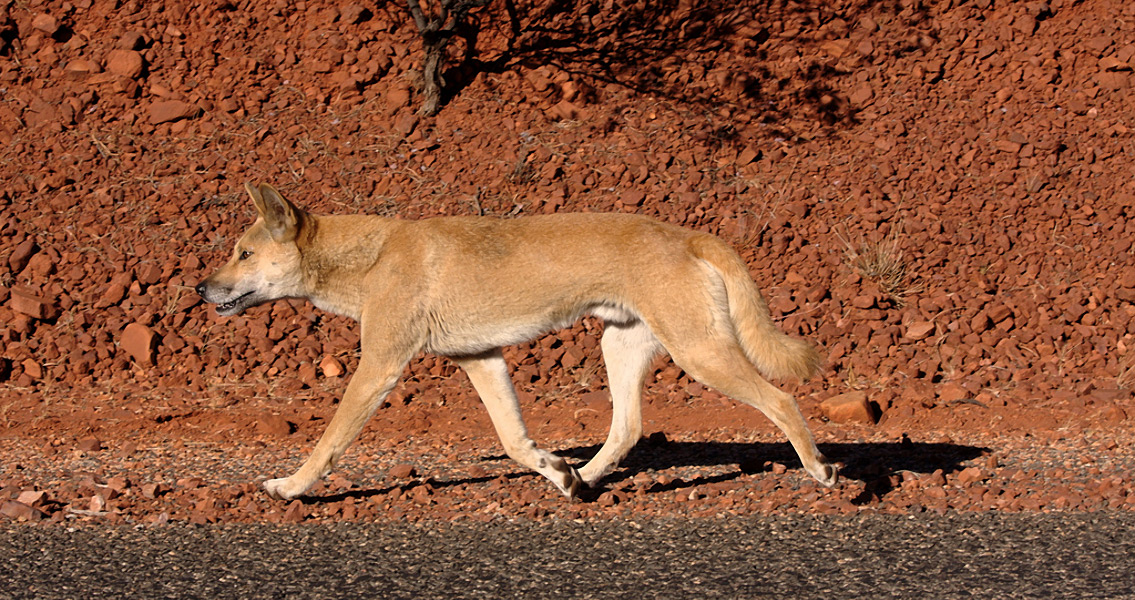
Female Aboriginal Hunters Worked With Dingoes

Canis lupus dingo as the species is known in scientific circles, began to forge relationships with Aboriginal people shortly after their arrival in Australia around 4,000 years ago, according to a joint study conducted by the Australian National University (ANU) and the University of Western Australia (UWA). The alliance between female Aboriginals and dingoes could have been instrumental in the women being able to provide higher amounts of hunted food, the research says. According to Jane Balme, the UWA archaeologist that spearheaded the research, the first dingoes accompanied a wave of immigrants from South East Asia on watercraft, indicating that they were likely domesticated before stepping foot – or paw, as it were – on a boat. However, Dr. Balme added in an interview with Western Australia’s Science Network that once these animals made it to mainland Australia, they reverted to a wilder state. Referring to DNA evidence collected in the past, the archaeologist said that dingoes likely made landfall in a pair of locations, one being in the north-east of the Australian continent and the other in the Kimberley, the sparsely-settled northern regions of Western Australia. The likelihood of Aboriginal having formed close bonds with dingoes quickly is high, Dr. Balme added, remarking that European colonists noted that the dogs were used quite often by the native population as watch dogs and bed-mates at night to keep warm. This is analogous to how dogs in modern society are often used in similar roles, with the addition of being trained to act as service animals or therapy companions as well. In the case of women being more likely to use dingoes than men, Dr. Balme said that the research suggested Aboriginal males were unlikely to take dingoes out with them while hunting because the dogs would startle larger animals, causing them to flee. However, the archeaological record suggests that the number of small animals hunted by Aboriginal people increased after the arrival of dingoes, which was likely due to women going off to hunt, dogs at their sides, to bring down this smaller game. The archaeologist said that dig sites in locations in South West Australia such as Tunnel Cave yielded evidence that dingoes had been used as hunting companions specifically for the smaller prey animals that were traditionally hunted by female Aboriginals. The middle of the Holocene era, which dates to around 4,000 to 5,000 years in our past, has long been noted for the difference in the type of animal remains found in Aboriginal sites, as they yield a much higher percentage of small animal bones than they did prior to this time. For more information: www.sciencedirect.com]]>