Categories
Breaking News

Prehistoric Humans Playing with Fire Changed European Landscape

Homo erectus begins around 400,000 years ago. Evidence of the widespread use of fire by modern humans’ dates back to approximately 125,000 years ago. An earlier report by Leiden’s Human Origins group had already proposed that Stone Age hunter-gatherers may have significantly modified their natural environment through the use of fire. This new research confirms the first hypothesis, and may also provide one of the earliest examples of this kind of large-scale impact by humans throughout all of Europe. The research was funded by the European Research Council, the Swiss National Science Foundation and the European HERCULES research program. The findings have been published in the journal PLOS ONE.]]>

Categories
Breaking News

Sutton Hoo Ship Burial Included Bitumen from Middle East

Categories
News

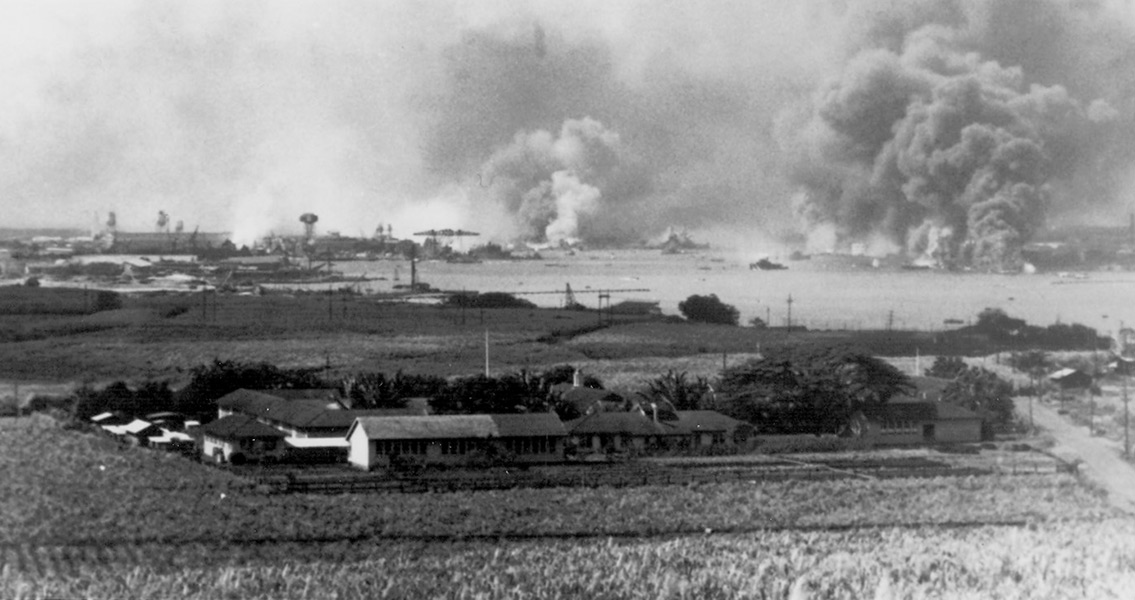
Pearl Harbor: 75 Years Since the Day that Lives in Infamy

Categories
Breaking News

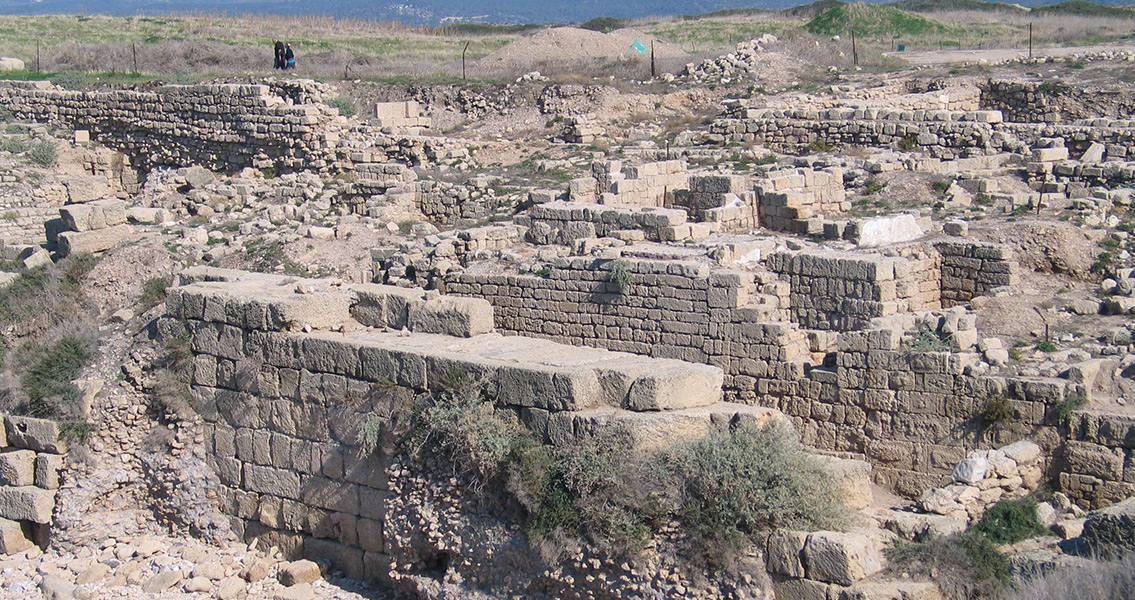
1,900-Year-Old Inscription Identifies Unknown Judean Ruler

Times of Israel: “Not only were we able for the first time to identify with certainty the name of the ruler who oversaw Judea in the critical years of the Bar Kochba revolt; this is also just the second time that the mention of Judea has been discovered in inscriptions traced back to the Roman era.” With seven lines, the inscription is the longest ever discovered as part of a maritime excavation in Israel. Although a portion is missing, it’s believed to read: “The City of Dor honors Marcus Paccius, son of Publius, Silvanus Quintus Coredius Gallus Gargilius Antiquus, governor of the province of Judea, as well as […] of the province of Syria, and patron of the city of Dor.” The third and last of the major Jewish–Roman Wars, the Bar Kokhba revolt was a revolt of the Jews in the Roman province of Judea against the Roman Empire. The failure of the First Revolt had led to rising religious and political tensions around changes in the city’s administration, an economic downturn and an increased Roman presence in Judea. These conditions, along with the banning of circumcision, construction of a new city on top the ruins of Jerusalem and the building of a temple honoring Jupiter on the Temple Mount, all led to the uprising. The port city of Dor was established around 2,000 BCE, during the Middle Bronze Age, while its documented history starts in the Late Bronze Age and ends with the Crusader period. The port was the dominating factor in the success of the town all through its 3000-year history, serving all the diverse cultures that occupied it as a commercial port. With between 100 and 200 students and volunteers on site each excavation season, Dor is among the largest ongoing archeological sites in Israel. ]]>

Categories
Editorial

The History of Advent: Romans, Calendars and President Eisenhower

Categories
Breaking News

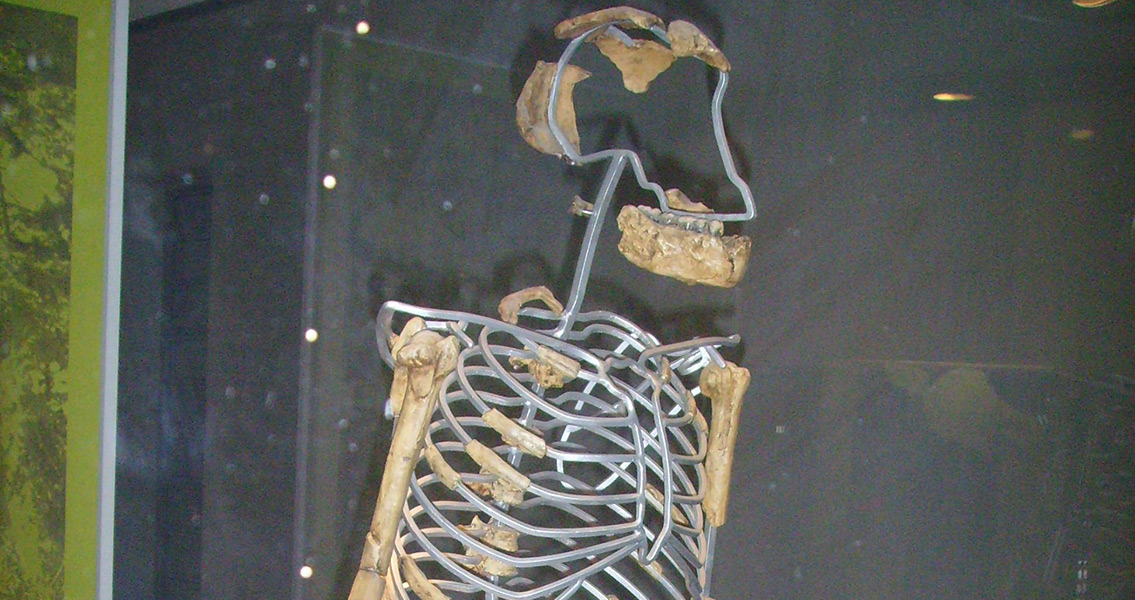
Research Shows “Lucy” Could Walk Upright and Swing Through Trees

New Scientist. The debate may finally be settled based on the work completed by Christopher Ruff with Johns Hopkins University School of Medicine in Baltimore, Maryland, along with his colleagues. Using CT scans taken of Lucy’s skeleton, they studied the cross sections of both (left and right) upper arm bones along with the left thigh bone — the thigh bone from the right leg was never found. What the team discovered was that Lucy’s arm bones had thick walls, suggesting unusual strength. Bone strength is considered a “use it or lose it” characteristic directly related to an animal’s behavior and not inherited; meaning that at least some australopiths were at home on the ground and in trees. “It would not be present unless Lucy mechanically loaded her upper limbs more than most modern humans,” Ruff told New Scientist. “Ours is the best evidence to date that A. afarensis actually spent a significant portion of their time engaged in arboreal behaviour.” Over the course of a person’s life, bone structure changes depending on the way we use, or don’t use, our bodies. Human thigh bones typically have thicker walls due to all of our walking, our arm bones however, have relatively thin walls because we seldom use them to carry or lift our full body weight. Chimpanzees on the other hand develop arms with thick-walled bones because of their tree climbing. Previously, Ruff and his team discovered injuries to Lucy’s skeleton that indicated she may have died from a high fall, most likely from a tree. That study also suggested that Lucy spent a significant amount of time climbing trees, but it was far from conclusive. “I could fall out of a tree and present the same injuries as they suggest Lucy had,” Harcourt-Smith says in the article. The study has been published in the online journal PLOS One. ]]>

Categories
Breaking News

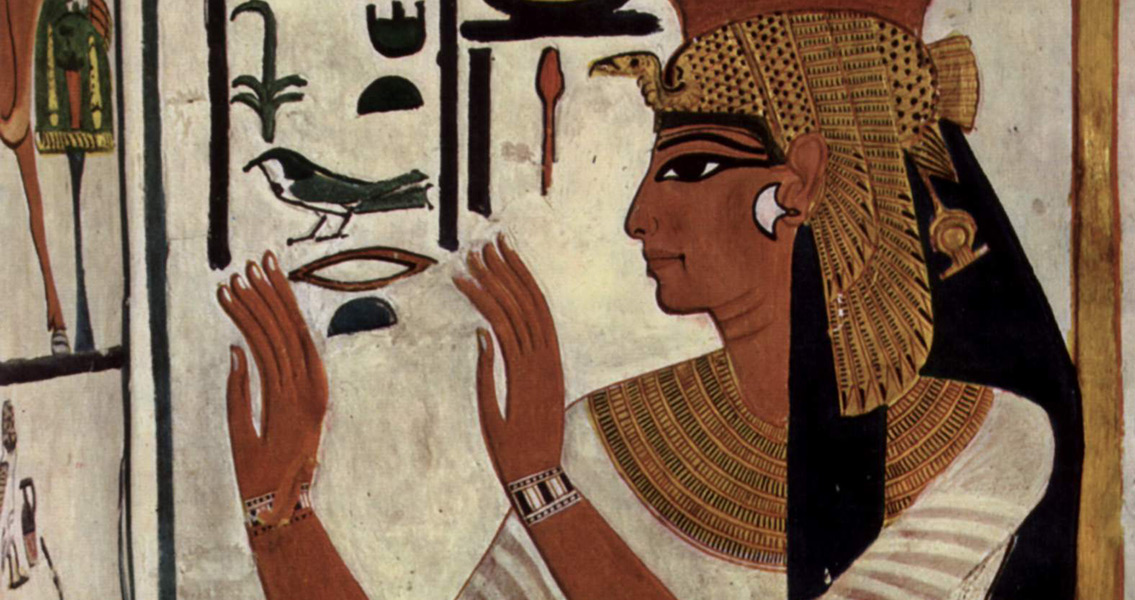
Long Discovered Mummified Legs Belonged to Queen Nefertari

Categories
Breaking News

Rare Medieval Black Death Burial Pit Discovered in England

The Telegraph. A total of 48 sets of skeletal remains – 21 of them belonging to children – were found at the site, which at one time was a monastery hospital. Researchers say that it seems quite clear that the local community was overwhelmed when the Black Death came to the region, forcing them to cope in the only way they could – by burying their dead in one mass grave. One of the worst plagues to ever blaze across humanity, the Black Death claimed the lives of anywhere from 75 to 200 million people in Europe from 1346 through 1353; according to historical records, Lincolnshire was struck by the disease in the early months of 1349. The Black Death as a whole completely changed the social landscape of Europe in a myriad of ways in addition to the massive loss of life. Sheffield University researchers partnered with scientists from Canada’s McMaster University, sending tooth samples from the deceased in order to extract ancient DNA from the pulp of these teeth. Analysis confirmed the presence of Yersinia pestis, the bacterium behind the Black Death, according to Sheffield University’s Dr. Hugh Wilmott. Dr. Wilmott, from the university’s Department of Archaeology, remarked that while the death toll in England from the disease was astronomical – up to 50 percent of the population – it’s extremely rare to find multiple graves within the country. For the most part, local communities seemed to simply treat fatalities from the Black Death in an ordinary way – in fact, the only other two sites dating to the fourteenth century where the Y. pestis bacterium has been found were London cemeteries with accompanying historical documentation detailing how the burgeoning numbers of urban dead necessitated the opening of new burial grounds. The discovery of this completely unexpected and previously unknown fourteenth century burial ground in the rural reaches of Lincolnshire stands as a unique event in the history of the Black Death in England, the scientist stated. If anything, it clearly illustrates how the community at the time was completely unprepared to withstand such a terrible threat. More analysis is slated to be undertaken, with research into the skeletal remains as a whole. This will enable researchers to identify the gender and age of each set of remains, as well as create a detailed study of any other illnesses and ailments they might have suffered from, using the telltale signs left behind in their skeletal structure according to the University of Sheffield’s Dr. Diana Mahoney Swales. ]]>

Categories
Breaking News

Thousands of Animal Artifacts Entombed with Emperor

Categories
Breaking News

New Research Reveals Existence of Ancient Antarctic Beetles

ZooKeys, is available here ]]>